Moses Itauma: From Slovakia to Heavyweight Title Shot
Moses Itauma scrolls through his phone and grins.
On the screen, former Nigerian president Olusegun Obasanjo stands in traditional dress, hands on hips, eyes fixed in that unmistakable, unimpressed glare. The caption: “This is how an African dad looks at you when you pursue a career that goes against his wishes and you turn out to be successful.”
“That is pretty much my dad,” Itauma says, still laughing.
From a Slovak hospital ward to heavyweight’s top table, the journey has been anything but conventional. Born in Slovakia to a Nigerian father and Slovak mother, raised in Kent, pushed first toward textbooks and titles like “doctor” or “lawyer”, he is now one win away from a very different kind of title.
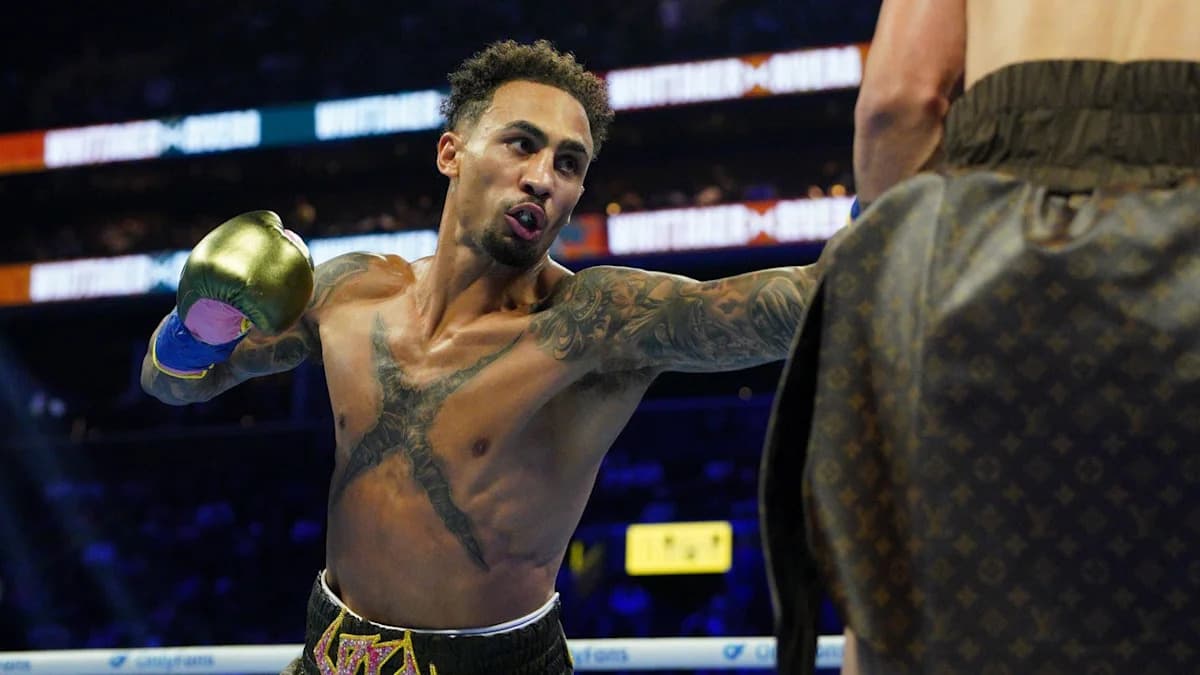
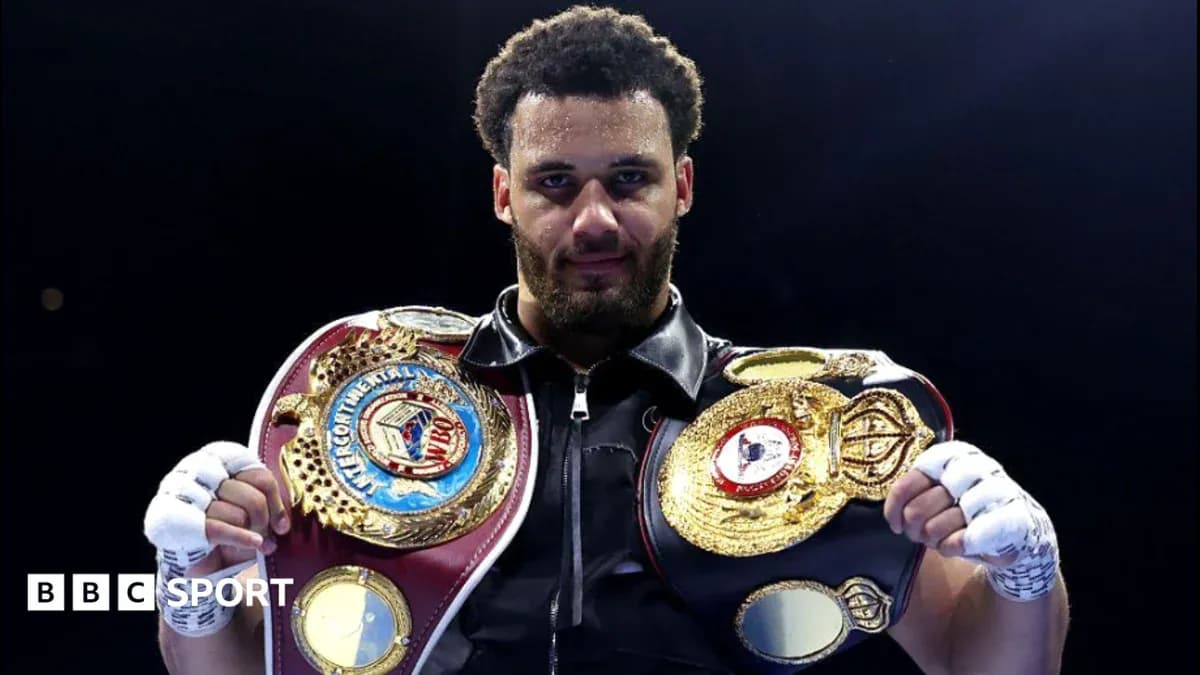
On Saturday, at just 21, he fights Filip Hrgovic for the vacant IBF heavyweight crown. Victory would make him the second-youngest world heavyweight champion in history and send a jolt through a division slowly edging towards a generational handover.
From “focus on school” to “forget school”
The Itauma plan was never supposed to involve prizefighting.
His parents wanted the safety of a profession, not the chaos of the ring. Then his older brother turned professional. Then the pads started to sound different when Moses hit them. Then everyone in the gym realised this kid was something else.
The family’s position shifted.
“Don’t worry about school. Just focus on your boxing,” his mother eventually told him.
That sentence changed everything. It has led him here, to a world-title shot in only his 15th professional bout, with the weight of British heavyweight expectation shoved onto his shoulders.
“There’s a lot of expectations on my shoulders to carry the flag of British boxing. I just have to live up to it,” he says. It’s delivered without bravado, more like a statement of work still to be done.
The reluctant star
British heavyweight boxing has grown used to oversized personalities.
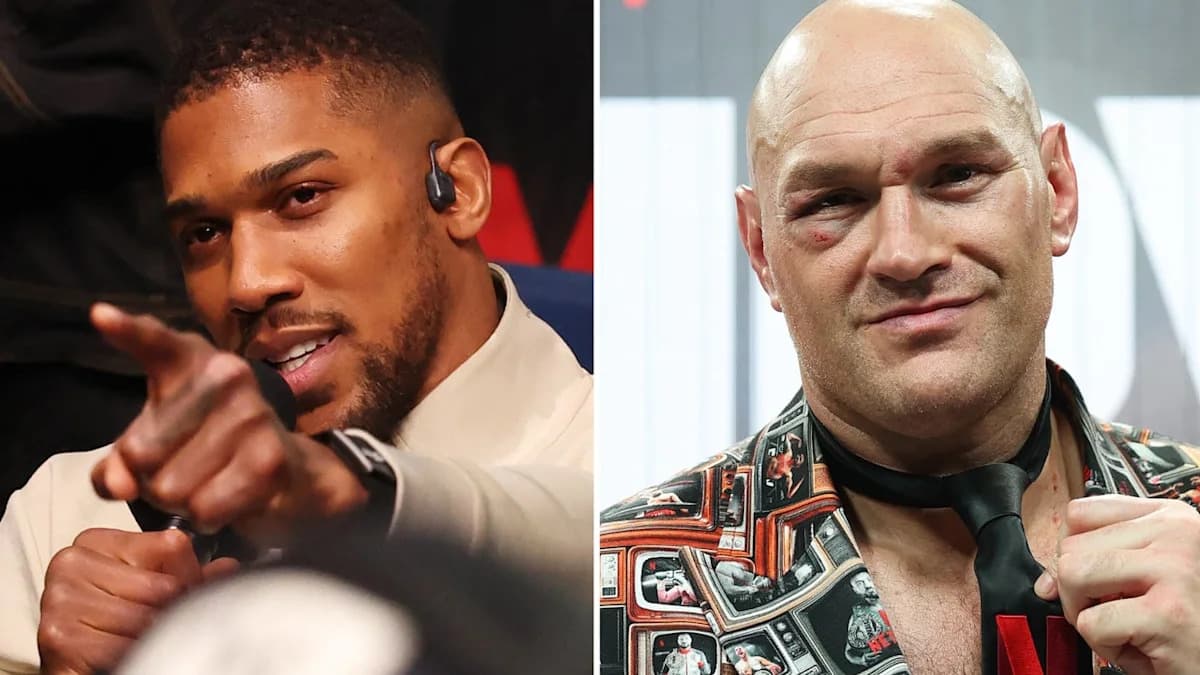
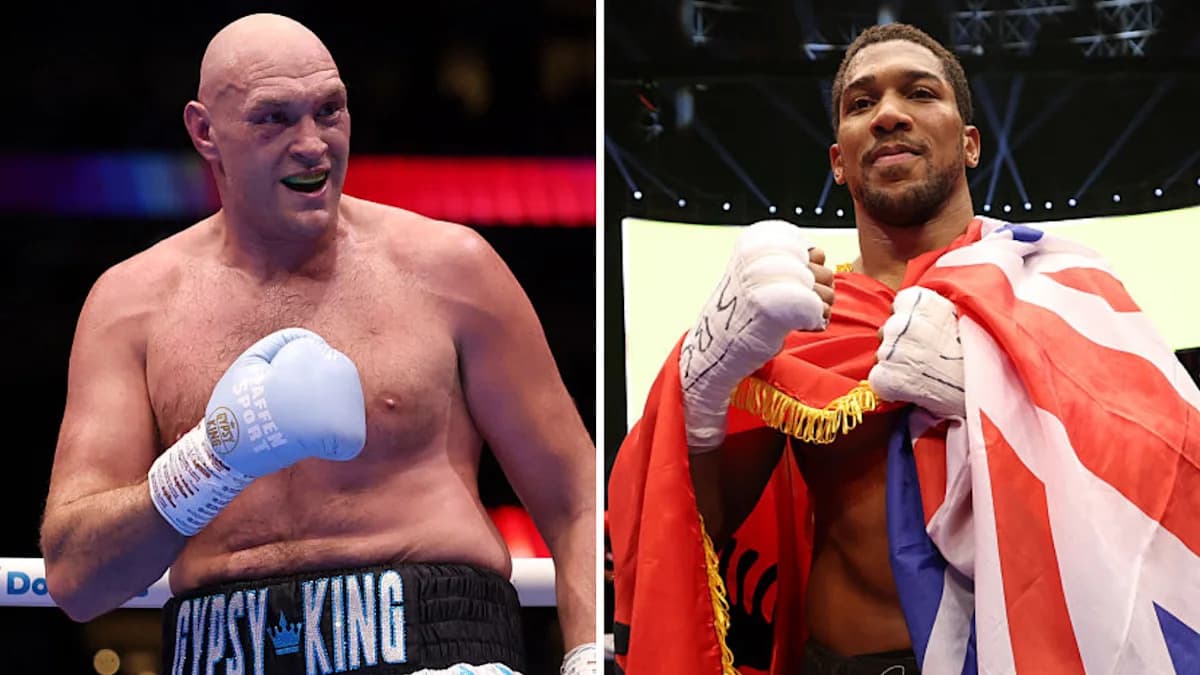
Tyson Fury has turned his life into a rolling documentary, a circus of cameras and confessionals. Anthony Joshua became a global brand, the polished face of stadium-era heavyweight boxing.
Itauma is cut from a quieter cloth. Closer to Joshua than Fury in public demeanour, but even more guarded, he keeps the media at arm’s length whenever he can.
“What irritates me most is when people think you’re public property,” he says. “What people don’t know about me is that I don’t actually want to be in the limelight. The way my career is going, I just have no choice.”
Fight week often exposes fighters who crave the stage. Itauma looks like he’d happily skip the whole thing. When Hrgovic barged in during Thursday’s news conference, trying to stir the pot, Itauma didn’t bite. No shouting, no theatrics. He simply turned to host Adam Smith and asked for the next question.
The message was clear: the show can go on without the shouting match.
Racing Joshua’s shadow
The parallels with Joshua are impossible to ignore.
Joshua fought Charles Martin for the same IBF belt in his 16th professional fight, with 34 rounds boxed. Itauma arrives a fight earlier, having logged 31 rounds. Joshua had the Olympic gold medal and a deeper amateur pedigree, but if Itauma wins on Saturday, the comparison hardens into cold fact: he will have become the fastest British heavyweight to win a world title.
That kind of history brings pressure, but his trainer Ben Davison, who has worked with both Joshua and Fury, is unmoved.
“Pressure is a privilege,” Davison says. “Moses has already had that pressure for such a long time and I just think it’s water off a duck’s back.”
The sport usually treats its brightest heavyweight prospects with caution. Matchmakers circle them with journeymen and fringe contenders, let them learn the trade, let them make mistakes in smaller arenas.
Not this time.
The kid who beat up grown men
Moses Itauma has been on a fast track since before he was a teenager.
Francis Warren, son of Queensberry chief Frank, first spotted him as a youngster sparring grown professionals and more than holding his own. Former British heavyweight champion Jeamie “TKV” Tshikeva saw it even earlier.
“Moses was a big 11 or 12-year-old, around 75 to 80kg, and sparred an adult of the same weight,” TKV recalls. “He really showed up, put hands on this grown man, and I was shocked.
“The guy he sparred was around 25. Imagine going home and telling your wife you got beat up by a kid.”
The stories stopped being whispers once he turned over. Destructive wins over Dillian Whyte and Jermaine Franklin – not champions, but solid names – turned curiosity into conviction. The manner of those stoppages suggested a fighter in a hurry.
Then Oleksandr Usyk vacated the IBF belt. Frank Sanchez stepped aside. Overnight, Itauma’s meeting with Hrgovic went from a big step up to a full-blown world-title fight.
The fast track suddenly looked, to some, like a shortcut.
“Everything on a plate”?
Hrgovic has not been shy in his assessment. Long before the belt was officially at stake, the Croatian accused Itauma of being handed “everything on a plate”. On social media, the mood music sounded similar. Many argued a final eliminator would have been a more natural route.
Itauma doesn’t waste energy trying to correct them.
“It’s a lose-lose situation for me because if I win, I’ve done what people expect, and if I lose, it’s just like, I wasn’t as good as what I thought,” he says. “I don’t find happiness in trying to please other people’s expectations.”
The questions linger anyway. What happens if his power doesn’t blow Hrgovic away? What happens if the man in front of him is still there in the eighth, still dangerous, still throwing back? So far, Itauma’s professional career has been a series of short nights and one-sided beatings.
Behind closed doors, though, those around him insist the engine is there.
“Moses works hard even though he hasn’t had to face adversity in his fights or training,” TKV says. “I’ve never seen him slack. He’s fast, sharp, a good learner and I rarely see him get hit.
“I believe he can do the rounds, too. He has the potential to dominate the division for years.”
Twelve rounds, if he needs them
Inside Itauma’s camp, there is no doubt he belongs at this level. Outside it, the debates about timing, merit and readiness swirl on. None of that will matter when the bell rings.
On Saturday night, the prodigy from Slovakia by way of Kent walks into a ring with 12 rounds – if he needs them – to answer every question at once.
In a heavyweight era waiting for its next long-term ruler, this is his chance to prove he’s not just the future on paper, but the present in leather and blood.