Moses Itauma's Heavyweight Challenge: Lessons from Hrgovic Fight
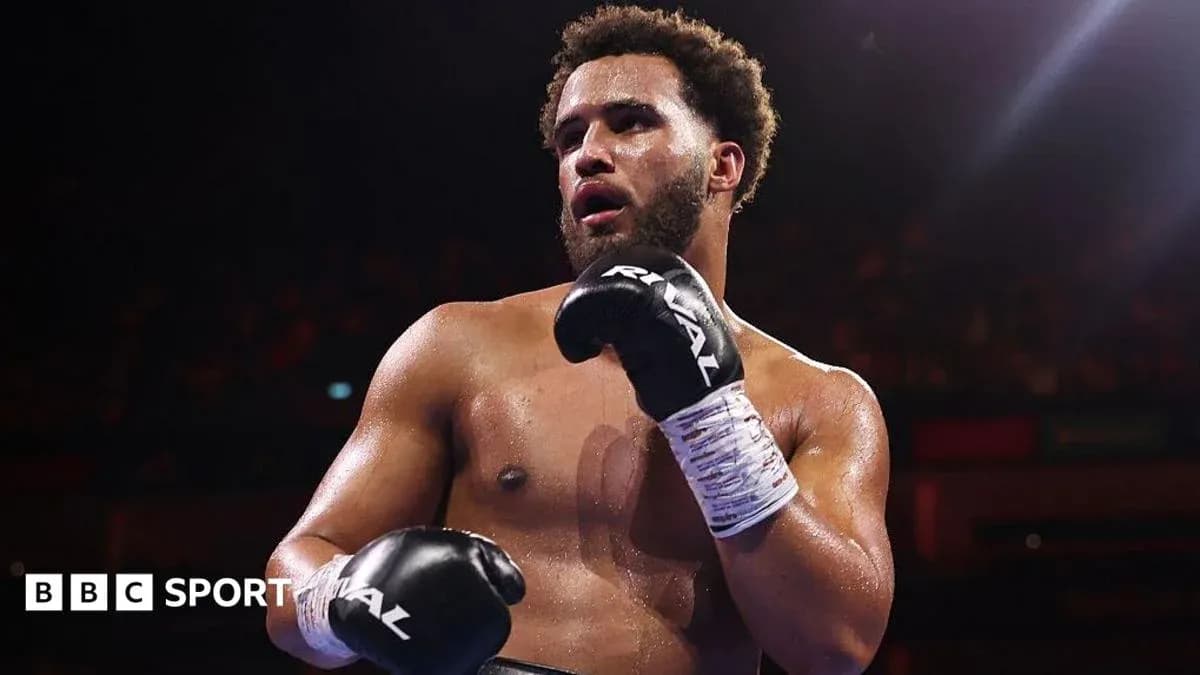
Moses Itauma used to walk into boxing gyms in his school uniform and humble grown men. On Saturday at the O2 Arena, the roles flipped. The lesson arrived late, brutal and unavoidable.
At 21, in only his 15th professional fight, Itauma stepped up for the vacant IBF heavyweight title and tried to sprint through a marathon. For long stretches he looked every inch the heir apparent: quicker than Filip Hrgovic, sharper, more inventive, repeatedly snapping the Croatian’s head back with that fast, spiteful left hand.
Yet with every round he banked, the danger crept closer.
By the ninth, it swallowed him. His corner threw in the towel as the referee moved in, and the granite-chinned 34-year-old from Zagreb claimed the belt that had been dangled as Itauma’s fast track to the top. The prodigy left the arena on a stretcher and was taken to hospital, a sobering image on a night that was supposed to confirm his arrival.
Promoter Frank Warren stressed the trip was precautionary, the standard protocol to protect a fighter’s health. He noted a leg issue, the exhaustion, the ferocious tempo both men had kept. That mattered. Because this was not a night that exposed Itauma as a fraud. It exposed something far more nuanced – and far more common in heavyweight boxing.
He has world-level talent. He does not yet have world-title seasoning.
Winning the Rounds, Losing the Fight
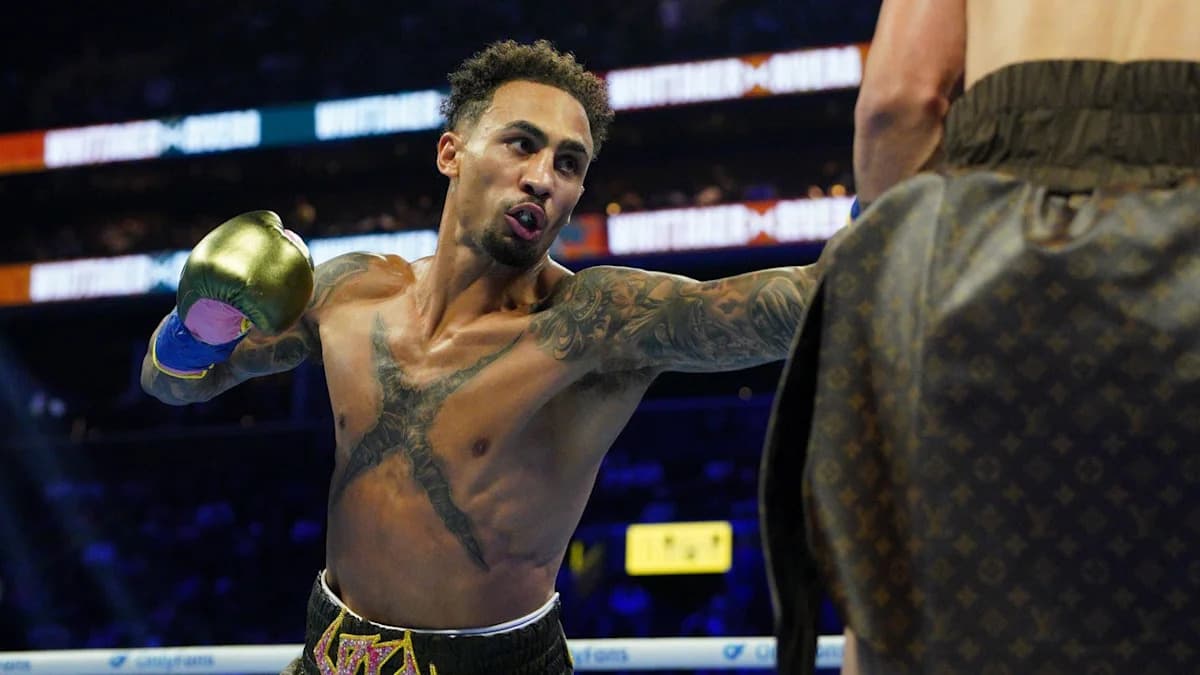
For much of the contest, Itauma boxed like the future people have been promising. He outsped Hrgovic. He outboxed him. He made an Olympic bronze medallist look old and slow at times, his hands firing in combinations that have destroyed lesser men.
But as the rounds rolled by, the small signs started to show. His mouth hung open. His feet lost their bounce. The snap in his work dulled.
Hrgovic, who has been through the kind of hard, ugly nights Itauma had only read about, did what veterans do. He stayed. He waited. He trusted that a 21-year-old who had never been beyond six rounds, who had never even sparred 12, would eventually pay for trying to fight a sprint at championship distance.
The Croatian knew the terrain. He had gone 12 grueling rounds with Zhilei Zhang. Against Daniel Dubois, the only man to beat him, he had been ahead on two of the three cards when cuts ended his night. He understands fatigue, pain, and those dark moments when a fighter must decide whether to stay in a fight that’s slipping away.
On Saturday, he watched a young man discover those moments for the first time.
Mind Games, Fast Pace, Harsh Reality
Hrgovic had been chipping away since fight week. He called Itauma “just a kid”, poked at his age, tried to belittle the hype. Itauma, who prides himself on his intellect, on his interest in psychology and self-improvement, initially brushed it off. But as the days went by, the irritation surfaced.
At the weigh-in, he shoved Hrgovic. The Croatian slapped him back. For a fighter who likes to see himself as calm and cerebral, it was a crack in the façade.
Once the bell rang, the approach was clear: Itauma wanted to finish it early. Warren later revealed someone had told him Itauma felt he wouldn’t truly have “won” a world title unless he knocked Hrgovic out. Warren didn’t like that. It sounded like a young man chasing validation, not control.
Up to this point, that mindset had served Itauma brilliantly. He had blown through opponents, his talent so obvious that bookmakers, pundits and former fighters installed him as a heavy favourite against a battle-hardened contender. In hindsight, almost everyone underestimated Hrgovic.
The fight’s turning point came not with a single punch, but with an accumulation of decisions. Itauma tried to remove a man who doesn’t go easily. He poured out energy as if the tank were bottomless. It wasn’t.
The eighth round captured the whole story. Itauma threw more punches than in any other session, emptying what remained of his reserves in a desperate push to break Hrgovic’s resistance. He lit the place up. He also burned himself out.
“He was throwing too much. He was fighting like an amateur,” Hrgovic said afterwards. “I knew I needed to endure it. I need to stay there. He will get tired and I’ll get him in the later rounds.”
That is exactly what happened.
Preparation, Responsibility and the Gap to the Top
Itauma admitted before the fight he had never even sparred 12 rounds. That is a startling confession for a man about to contest a world title scheduled for 12. His conditioning was not where it had to be. That is not just on him.
A young fighter leans on his team for judgment. They are supposed to know when the leap is too big, when the body is not yet ready for what the mind wants. The responsibility for his preparation stretches beyond the ropes.
Yet amid the damage, the night also confirmed plenty about Itauma. He can take a shot. There was no single Hrgovic bomb that shattered a supposedly fragile chin. His hand speed, the fluidity of his combinations, all held up against genuine world-class opposition. He made Hrgovic look clumsy at times. He proved that the skills which dazzled against domestic and fringe-level foes translate on the big stage.
What failed him was not talent. It was pacing, experience, and the understanding of how to manage a 12-round world-title fight against a man who refuses to go away.
Where He Goes From Here
So what now for the Chatham heavyweight?
Hrgovic’s advice, offered with the cool detachment of a man who has walked this road, was simple: “Don’t give up. Don’t lose confidence. Get a few easy fights, easy wins. Build again and learn off these mistakes. You can’t box like an amateur. It’s a 12-round fight, you need to pace yourself.”
Warren still talks about Itauma as one of the most exceptional talents he has promoted. He points to Daniel Dubois as the blueprint – a heavyweight who rebuilt from painful setbacks to become a two-time world champion. That path exists. It has been walked.
But British boxing remembers the other stories as well. David Price was once the next great hope, a towering, heavy-handed force tipped for the summit. Successive defeats chipped away at his aura until it never truly came back. When the spell of invincibility breaks, it is not guaranteed to reform.
From now on, every Itauma performance will be examined with a harsher eye. Viewers will watch his chest rise and fall between rounds. They will count his punches, study his feet, wonder if he has learned how to ration his brilliance over distance.
Paradoxically, that vulnerability may make him a more compelling figure. The illusion of untouchable perfection has gone. In its place stands something more human: a gifted 21-year-old who has just discovered the ceiling he must now learn to break.
The schoolboy who once beat up men in gyms finally met one who refused to go away. The lesson has been delivered. The real test is what he does with it.