Moses Itauma vs Filip Hrgovic: Battle for Heavyweight History
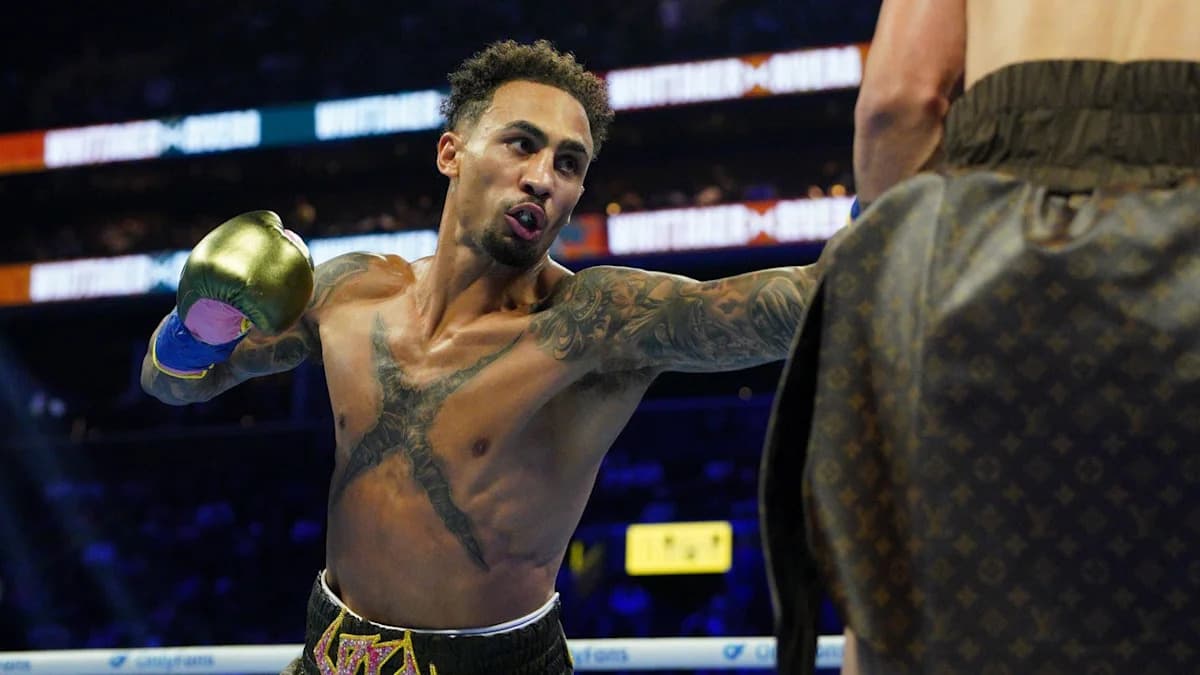
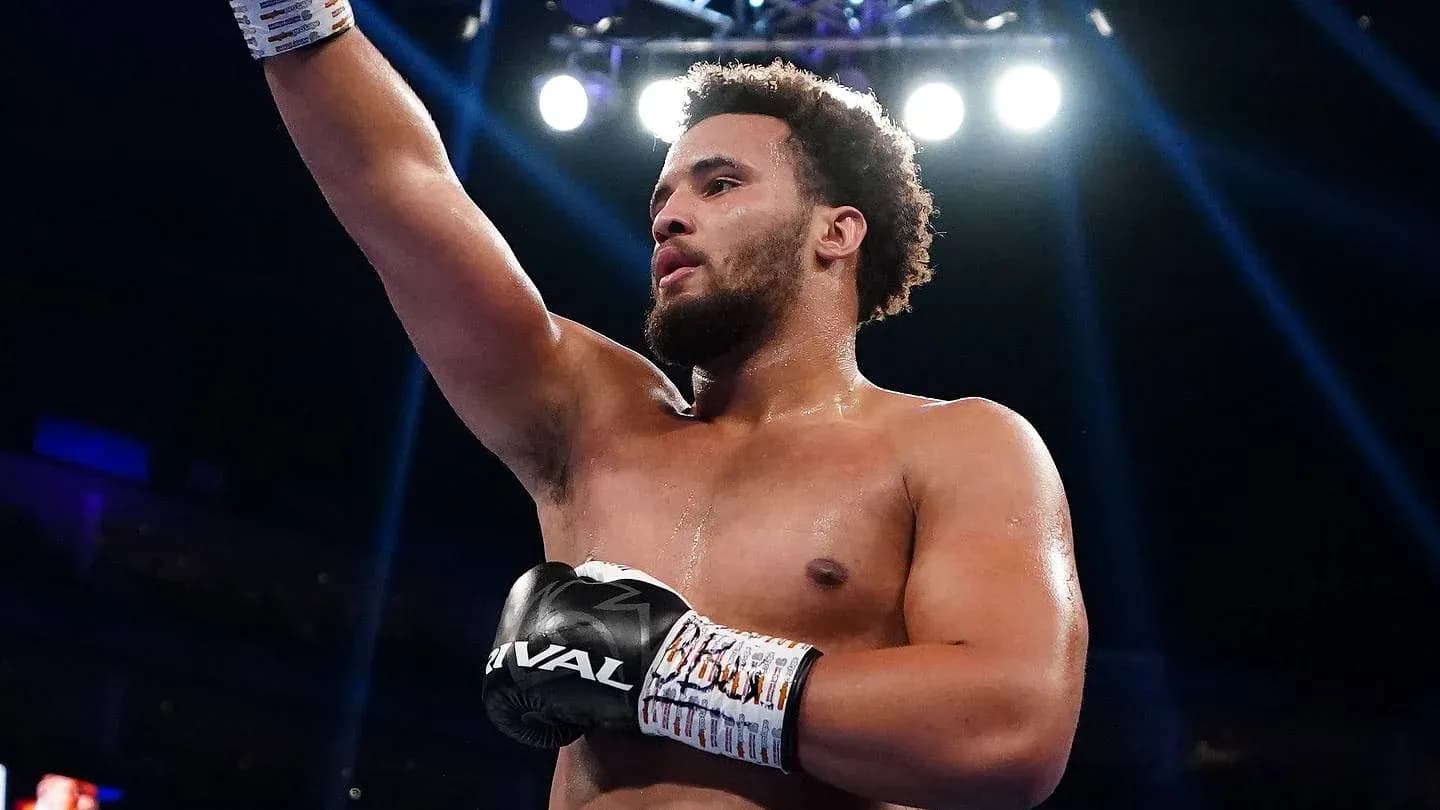
Moses Itauma is 21 years old and staring straight at a piece of boxing history. One more win, under the lights at the O2 Arena on Saturday, and he becomes the youngest world heavyweight champion in British boxing history. That’s the headline. The sub-plot is far nastier.
Across the ring stands Filip Hrgovic, the unbeaten Croatian who has spent fight week trying to strip away the shine from the British prodigy. To Hrgovic, Itauma isn’t a hardened contender forged in the shadows. He’s “privileged,” “spoiled,” a fighter ushered to the top, not one who has clawed his way there.
It’s a familiar tactic: question the man, not just the skills. Call him pampered. Call him manufactured. Make the world wonder if he’s real.
Itauma hasn’t ducked any of it.
He’s heard the talk about soft matchmaking and fast-tracked stardom, and he’s answered it with the one thing that always cuts through noise in heavyweight boxing: knockouts. His demolition job on Jermaine Franklin, and others like it, is his argument in motion. Those highlight-reel finishes, he believes, are the true measure of whether he belongs at this level.
To him, the story isn’t of a kid cushioned on the way up. It’s of a fighter built in the gym, not in a boardroom. He points to the grind, the conditioning, the sessions that nobody sees as the real foundation of his rise.
And now comes Hrgovic, the stiffest test of his career and the man trying hardest to tear down the myth.
Both men share a thread of origin. They come from Balkan roots, places where boxing sits behind football and basketball in the funding queue. It’s not a region known for rolling out red carpets for fighters. That shared background makes Hrgovic’s jabs about privilege sting a little more, and Itauma has been quick to highlight the contradiction.
“I don’t get treated the way I am for no reason,” he says, pointing to the faith his promoters at Queensberry have shown. They aren’t backing a résumé; they’re betting on a ceiling. “It’s not what I have done, but what I could do.” With every fight, every knockout, he feels he’s paying off that belief in real time.
“Have I been treated like a golden child? I wouldn’t say so, because it’s not for no reason,” he adds. The push he’s had, in his view, is earned, not gifted.
Then he turns the lens back on Hrgovic.
For all the talk of silver spoons, Hrgovic arrived in the professional ranks with something priceless in boxing: an Olympic medal. That kind of hardware doesn’t just land on the table. It changes your starting line. Promoters call you. Broadcasters know your name. Matchmakers don’t stick you on unlicensed shows in forgotten halls.
“He also had an Olympic medal, which obviously, they don’t just hand them out,” Itauma points out. With that came, as he sees it, a built-in advantage. While some fighters scrape from the very bottom—small-hall shows, tiny purses, no cameras—Hrgovic, he says, stepped onto a higher rung from day one.
“Filip Hrgovic still started with a head start because of an Olympic medal, which he did achieve, which he did earn,” Itauma concedes. Respect given, but with a sharp edge. “But I wouldn’t say that he has had the toughest route to where he's got to.”
Then comes the real needle: Zhilei Zhang.
Hrgovic’s narrow win over the Chinese heavyweight remains one of the most debated decisions of his career. Itauma leans right into that controversy. He believes fortune, not just grit, played its part in keeping Hrgovic’s unbeaten record intact.
“I think he was very fortunate to get the decision of Zhilei Zhang,” Itauma says. “Had he not got that decision, would he have got all the fights that he’s had now? Do you know what I mean?”
It’s a pointed question. If one set of scorecards had gone the other way, would Hrgovic still be standing here, the seasoned gatekeeper to a world title, questioning anyone else’s path?
All of this—privilege, medals, matchmaking, knockouts—has swirled around fight week. On Saturday night, none of it will matter once the bell rings.
Then it becomes simple. A young heavyweight chasing history against a hardened contender desperate to prove he’s still the man to beat. One accused of being overprotected, the other accused of being overpraised.
Only one of them walks out with a belt and the right to say: I was right.
The talking stops at the O2. The punches will decide whose story was real all along.