NBA Fantasy League Rotations: Key Battles and Insights
The NBA has been ripped up and redrawn. Giannis Antetokounmpo in Miami. LeBron James in Philadelphia. LaMelo Ball in Minnesota.
The star power has shifted zip codes, but what will really decide fantasy leagues this season lives a level down — in the rotations that haven’t settled yet, on teams still figuring out who they are.
Here’s where the battles are, and how they’re likely to break.
Milwaukee Bucks: A New Backcourt, A New Identity
Milwaukee didn’t just trade a superstar. It tore up the blueprint.
Antetokounmpo is gone, Miami’s problem now, and in his place the Bucks have a backcourt-heavy future to sort out. Tyler Herro arrives as the headliner, and there’s no mystery about his role: he’s going to have the ball, he’s going to shoot, and he’s going to carry one of the league’s highest usage rates. Pencil him in as the starting shooting guard and the offensive focal point.
Next to him, Ryan Rollins is the quiet engine of the reset. Last season he went from curiosity to cornerstone, putting up 17.3 points, 4.6 rebounds, 5.6 assists, 1.5 steals and 2.5 threes per game. At 24, he fits the timeline, and more importantly, he fits the job. This is his point guard spot to lose.
Behind that duo, it gets messy — in a way fantasy managers should love.
Kevin Porter Jr. brings a 24.3% usage rate and the kind of streak scoring that swings weeks. He’s not the safest piece, but he doesn’t have to be. In a High Score format that only cares about his loudest night, his volatility becomes a weapon.
Then come the kids. Brayden Burries, the 10th pick, is clearly part of the long game. Milwaukee didn’t draft him to watch. Expect a long leash, mistakes and all. Kasparas Jakučionis, taken 20th a year ago and acquired from Miami, adds another layer of upside and creativity.
On a rebuilding roster, minutes usually follow the investment. That points to Burries as the late-round guard to stash, with the expectation that his role grows as the season wears on. Porter, though, is the one who can drop a 30-point, six-three explosion that wins a fantasy week by himself.
Milwaukee’s era of certainty is over. Its era of opportunity has just started.
Boston Celtics: Two Centers, One Job to Anchor a Contender
Boston spent last season improvising. Jayson Tatum was grinding his way back from a torn Achilles, the front office was patching around the edges, and center was a question they never truly answered.
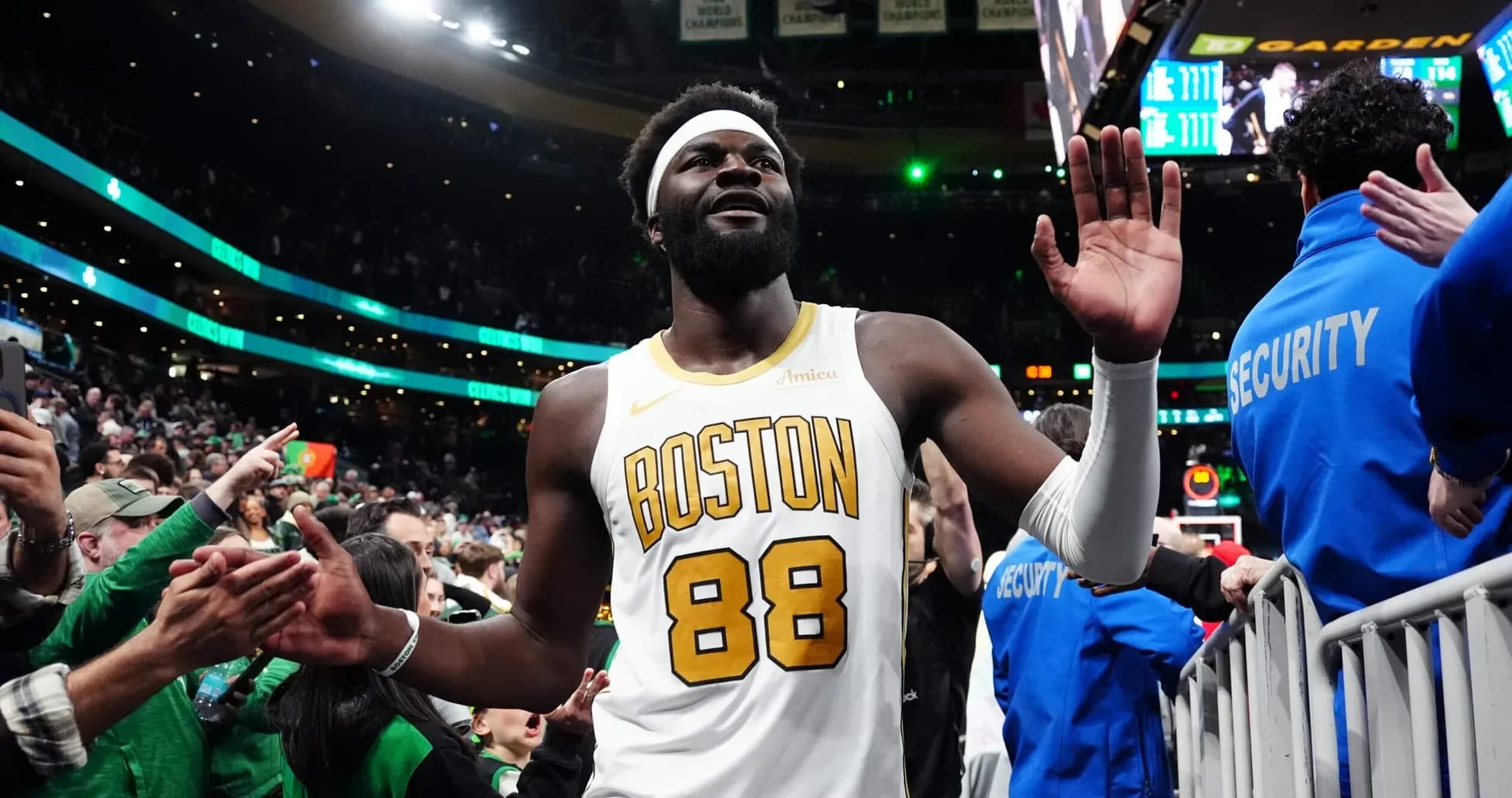
Neemias Queta did more than keep the seat warm. He seized it. He gave the Celtics energy, size, and enough presence in the paint to help them overachieve and climb near the top of the East.
That performance didn’t stop them from looking for more.
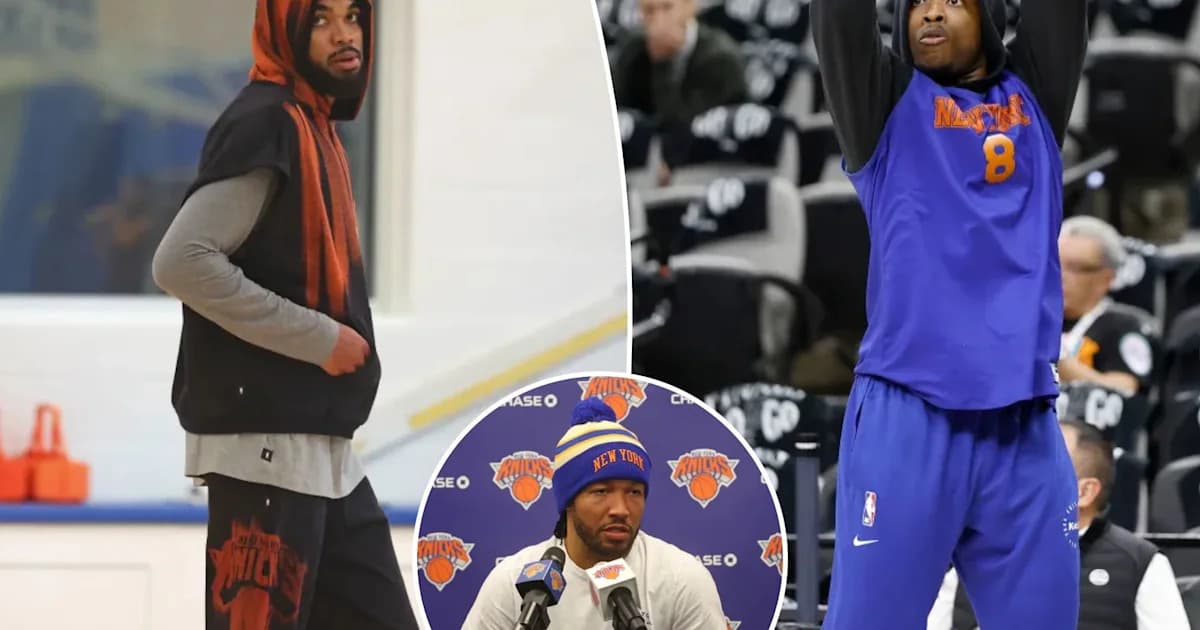
Nikola Vučević arrived at the deadline as a short-term solution and never quite meshed. Now he’s gone, and in his place comes Mitchell Robinson — a very different kind of answer. Robinson brings elite rebounding and rim protection, and a track record that demands respect. New York learned how to use him: keep the minutes in check, under 20 per game, and let him play at full throttle.
Boston can mirror that plan, but with a twist. This roster has championship ambitions. Robinson doesn’t need 30 minutes to matter, yet a bump toward 25 a night feels realistic. That’s more than enough for him to stack 14-rebound, three-block nights that pile up fantasy points even when he barely touches the ball on offense.
Queta isn’t going away. He’s already shown he can handle starting responsibilities, and Boston can comfortably toggle between the two depending on matchup, health, and schedule.
For fantasy players, that creates a simple equation. Robinson is the better bet, a classic High Score value who can deliver 20-plus points in a single defensive outburst. Queta remains viable, especially in deeper formats where rotating him through a Utility spot alongside Robinson can squeeze value out of both.
Boston’s center rotation may not be glamorous, but it’s built to win — both in the standings and on fantasy leaderboards.
Charlotte Hornets: A New Frontcourt After the Shockwaves
Charlotte didn’t just tweak. It detonated.
A surprise Play-In run with LaMelo Ball, Brandon Miller and Kon Knueppel looked like the start of something. Instead, Ball is in Minnesota, Miles Bridges is in Phoenix, and the Hornets are reshaping the entire spine of their team.
In the middle of it, Moussa Diabaté stands as last season’s revelation. He brought relentless energy, crashed every glass in sight and turned the center spot into a hustle clinic. But Charlotte wanted more scoring from the front line, and the Minnesota trade delivered it.
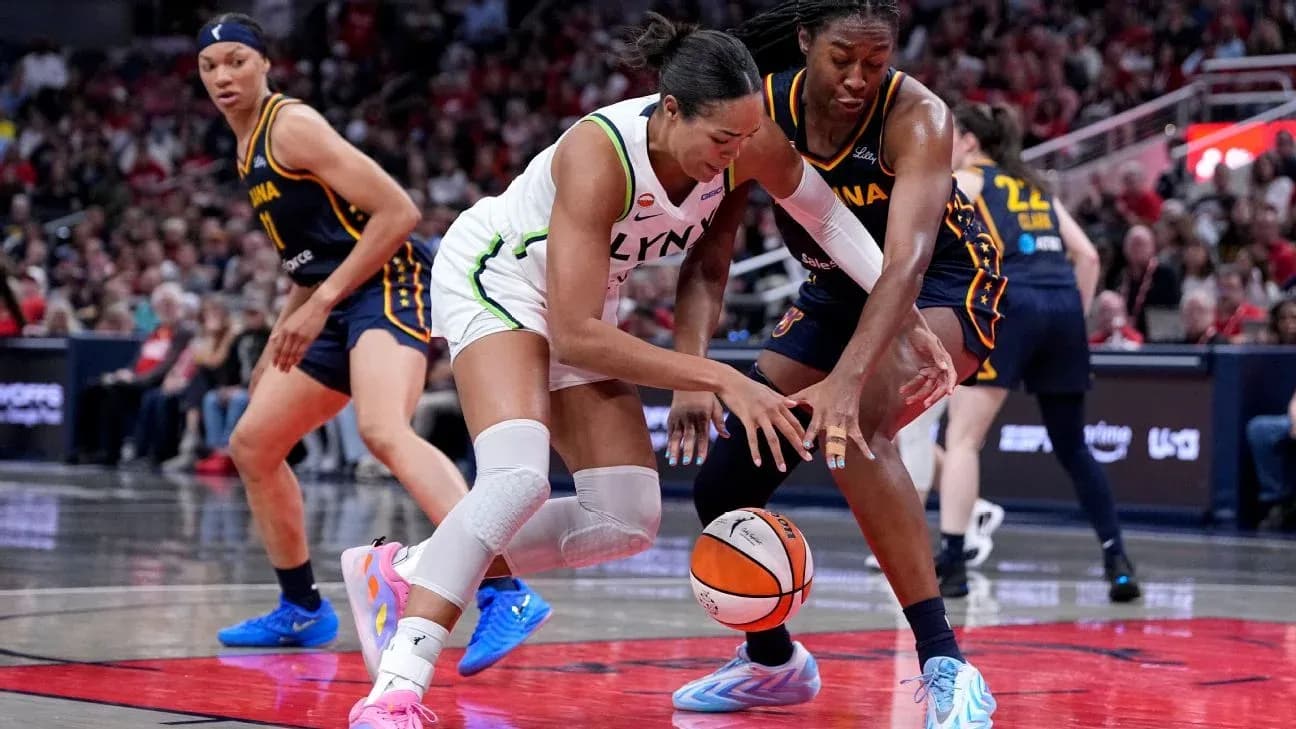
Naz Reid changes the geometry of this team. He can play power forward or center, stretch the floor with his three-point range and create his own shot in ways most bigs can’t. Expect him to start at the four, then slide to the five in smaller, more offensive lineups. From a fantasy perspective, he’s the cleanest play: a locked-in frontcourt starter with a green light.
The Hornets didn’t stop there. With the 14th pick, they grabbed Hannes Steinbach after a monster college season at Washington — 18.5 points, 11.8 rebounds, 1.2 blocks per game. That production screams long-term starter, even if the adjustment to the league takes time. Ryan Kalkbrenner, a 2025 second-rounder, lingers as depth and matchup insurance.
This is where the rotation tightens. Reid is going to play, a lot. Diabaté’s minutes will ebb and flow as Charlotte experiments with combinations and decides how much offense it needs from the five. Steinbach is the long game: if he carves out more than 20 minutes a night, he becomes a factor in 12-team and deeper leagues, with the upside to post stat lines that look like those of an established starter.
The Hornets have traded stability for ceiling. For fantasy managers, that’s exactly the kind of chaos you want to tap into early.
Memphis Grizzlies: Life After Ja, and a Crowd at Guard
Ja Morant’s departure would have been unthinkable a few years ago. Now it’s the pivot point of Memphis’ rebuild.
He’s in Portland, and in return the Grizzlies landed Jerami Grant and Kris Murray — a proven scorer and a versatile young forward who both strengthen the frontcourt. The real future, though, arrived on draft night with the third pick: Cameron Boozer, the new face of the franchise.
Pair Boozer with Zach Edey and Memphis suddenly has a clear frontcourt foundation. The backcourt is another story entirely.
Scotty Pippen Jr. and Ty Jerome headline the point guard battle. Pippen’s injury-limited 10-game season opened the door last year, and Cam Spencer walked right through it, averaging 11.1 points and 5.6 assists in 24 minutes per game while running the offense. Jerome, steady and adaptable, can slide between both guard spots.
At shooting guard, Cedric Coward and Walter Clayton Jr. step into the frame, with Spencer also in the mix. The organization’s intentions are obvious: Coward was the 11th pick in the 2025 Draft. Players taken that high don’t usually sit. Expect him to get every chance to claim the starting two-guard role.
When the dust settles, the most likely shape is this: Pippen reclaims the starting point guard job, Jerome backs up both spots, Coward starts at shooting guard, and Spencer floats as the connective piece who can run units or space the floor.
For traditional fantasy formats, that’s a headache. A five-man rotation that keeps everyone under 30 minutes caps ceilings and forces managers into tough weekly decisions.
High Score flips that logic. You don’t need 34 minutes a night; you need one explosion. Spencer’s 5.6 assists alone were worth more than 11 High Score points per game last season. With this much talent cycling through, someone in that group is going to pop almost every week.
All five guards become late-round darts — but in this format, they’re darts with real payoff.
New Orleans Pelicans: Sorting the Center Logjam Around Zion
New Orleans chose continuity, not reinvention.
After a bruising 2025-26 season, the Pelicans largely ran it back, reportedly adding Bennedict Mathurin and banking on a full, healthy year from Dejounte Murray. They also re-upped DeAndre Jordan on a two-year, $7.9 million deal, a clear nod to his influence in the locker room and around a young frontcourt still learning the league.
The depth chart at center is crowded, but intriguing.
Derik Queen flashed real promise when given extended minutes last season. He showed touch, feel, and the kind of offensive upside that can mesh with Zion Williamson’s gravity. Yves Missi remains firmly in the mix, a physical presence who can change games with energy and size. Then there’s Herbert Jones, the defensive savant who ended last season as the de facto starting center.
Jones will never lead the team in scoring, and he doesn’t have to. His defensive stat line tells the story: nearly two steals and a block per game, worth nine High Score points before he even considers a jumper. That kind of floor keeps him relevant in any format.
The strategic question is simple: who starts next to Zion for the long haul? From a developmental and fit standpoint, Queen makes the most sense. New Orleans needs to know if that pairing can anchor a playoff push in the coming years. At the same time, Jones has already proven he can handle the role, and Missi isn’t disappearing from the rotation.
For fantasy managers, Queen is the swing. He carries the most upside, the clearest path to a breakout if the minutes land his way. Jones and Missi are late-round swings as well, but they’re the kind you take knowing that one big night — three steals, three blocks, a double-digit rebound game — is all it takes to justify the pick in High Score.
The Pelicans have options, and options mean decisions. The way they answer those questions at center won’t just shape Zion’s supporting cast. It will quietly tilt fantasy leagues all season long.