NBA Imposes Severe Penalties on Los Angeles Clippers for Salary Cap Violations
LOS ANGELES — The NBA dropped a hammer on the Los Angeles Clippers on Wednesday, handing down one of the harshest discipline packages the league has levied in years for what it called “flagrant” salary cap circumvention.
Owner Steve Ballmer has been suspended for one year. The franchise must forfeit five draft picks. Kawhi Leonard, a two-time Finals MVP and the face of the organization, was fined $700,000. President of basketball operations Lawrence Frank is banned for six months, and team president of business operations Gillian Zucker is suspended for a year.
For a franchise that has spent the Ballmer era trying to shed its chaotic past, this is a brutal rewind.
League lowers the boom
The punishment follows a nearly yearlong investigation, run by an outside law firm, into whether the Clippers used off-court endorsement arrangements to get around salary cap rules while building around Leonard.
The NBA said the findings were clear enough — and damning enough — to warrant sweeping sanctions. The league and the players’ union agreed to make the penalties final and binding, with the NBA adding that the outside firm is still receiving information and that “further action” remains on the table.
Commissioner Adam Silver did not soften the message.
“I am deeply disappointed by the flagrant violations of our rules and by the Clippers’ institutional and leadership failures that led to this misconduct,” Silver said in a statement. “The severity of the penalties reflects the seriousness of the violations.”
The core of the case centers on a $28 million endorsement contract between Leonard and Aspiration Fund Adviser LLC, a financial company that has since filed for bankruptcy. The league opened its formal probe in September 2025 after a report by journalist Pablo Torre raised questions about the deal. Earlier this year, Aspiration co-founder Joseph Sanberg was sentenced to 14 years in federal prison after pleading guilty to defrauding investors and lenders of at least $248 million.
From there, the trail led directly into the Clippers’ inner circle.
Ballmer in the crosshairs
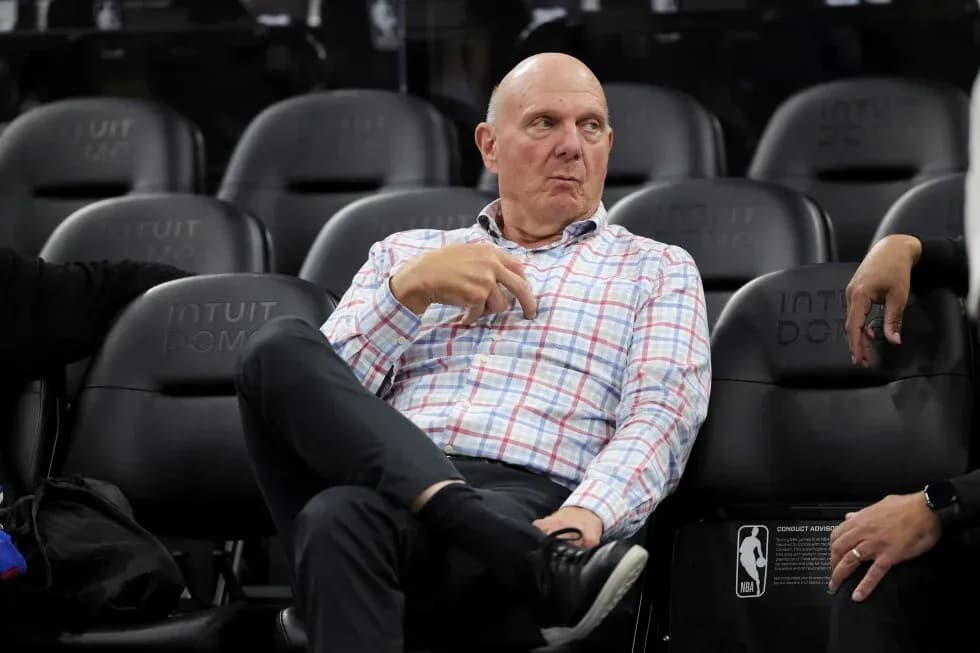
Ballmer, the 70-year-old former Microsoft CEO who bought the Clippers in 2014, is now sidelined from his own franchise for a full year.
According to the league, Ballmer “knowingly” sought to help Leonard secure off-court income deals, approved a business arrangement that he knew was a precondition for Aspiration to sign Leonard to the endorsement contract, and failed to create an environment in which his organization followed league rules.
That combination, in the NBA’s view, crossed from aggressive recruiting into outright circumvention of the salary cap.
The suspension revives uncomfortable history for Ballmer’s tenure. In 2015, just a year after he took over the club, the Clippers were fined $250,000 for violating rules against offering unauthorized business or investment opportunities to players during their recruitment of free agent DeAndre Jordan. That pitch improperly included a $200,000-per-year deal with luxury automaker Lexus.
This time, the stakes — and the fallout — are far greater.
Clippers come out swinging
Publicly, the franchise is not backing down.
“We vehemently reject the NBA’s findings, which are the result of a heavily biased investigation seeking to justify a predetermined narrative rather than facts and evidence,” the team said in a statement.
The Clippers went further, accusing the league of a split message.
“What the league told us privately differs from what it announced today publicly, and they have not held themselves close to the standard Commissioner (Adam) Silver set at the start of this investigation to ensure its fairness and accuracy.”
The organization vowed to fight the decision on every front.
“We will now fight just as hard to demonstrate our innocence. We intend to vigorously challenge these findings and penalties through every avenue available to us and look forward to an ethical and impartial arbitration process.”
The league, though, insists the penalties are already locked in. The looming battle is no longer about avoiding punishment, but about whether the Clippers can persuade an arbitrator to see their version of the story.
Leonard at the center
Leonard, who has typically preferred to stay out of the spotlight, sits squarely in the middle of this storm.
The NBA said Leonard, through his former business manager and uncle Dennis Robertson, “violated the circumvention rules by pressuring the Clippers to assist him in obtaining off-court income opportunities, successfully obtaining those opportunities, and failing to reimburse payments by the Clippers for personal expenses.”
Leonard responded with a carefully worded statement, issued through his new agent, Harrison Gaines.
“I accept full responsibility for lapses in judgment by people within my inner circle and regret the distraction this situation has caused the fans and my family,” Leonard said.
At the same time, he defended his intent.
“I entered into my contract with the Clippers as well as the agreements in question in good faith, fully committed to fulfilling my obligations and with no knowledge of any intent on anyone’s part to circumvent the salary cap.”
Robertson, a key figure in Leonard’s business dealings for years, received a five-year ban from doing business with NBA teams. That is a stunning fall for someone who once helped orchestrate one of the most coveted free-agency moves in the league.
The penalties don’t end there. The league placed the Clippers under a compliance and monitoring program for five years, a long leash that signals how little trust remains between the front office and the league office.
Front office fallout
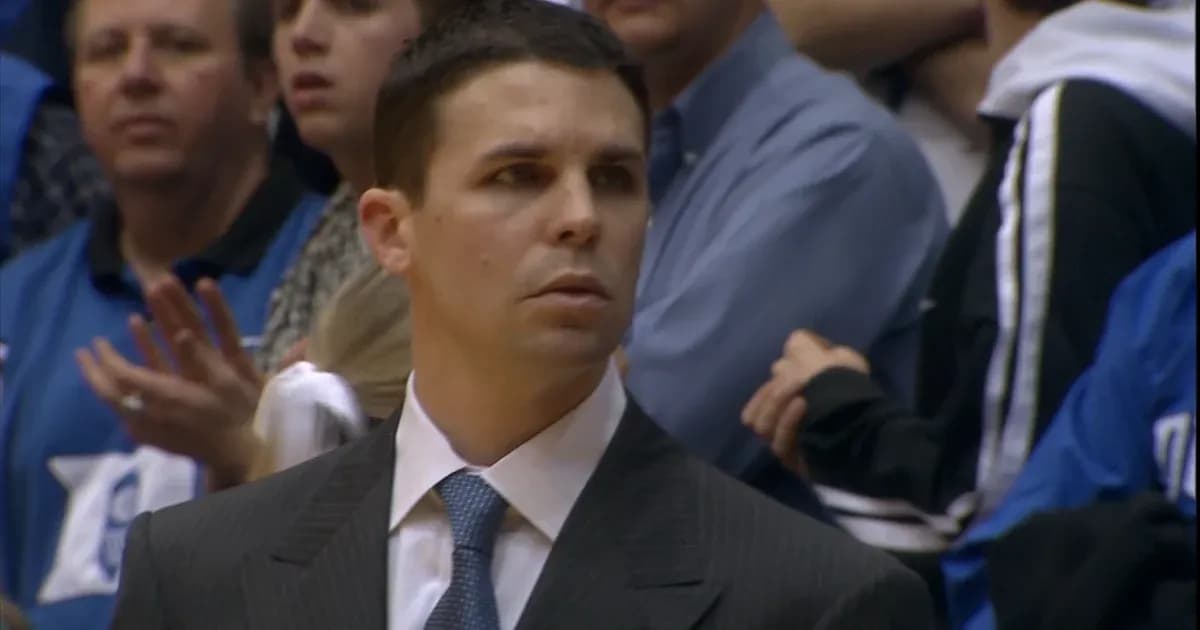
Frank, one of the most respected executives in basketball circles, is now out for six months. The NBA cited his involvement with the “impermissible endorsement arrangements” and his approval of improper expenses for Leonard and his family.
Zucker, who has overseen the business side of the franchise, was suspended for one year. The league said she was “primarily and directly culpable” for the illegal endorsement setups and accused her of lying to investigators. Both Frank and Zucker will lose their salaries during their bans.
For a team preparing to move into a new arena and sell a fresh era of Clippers basketball, the timing could hardly be worse. The organization must now navigate a transition period without its owner in the building, without its top basketball executive for half a year, and without its top business executive for a full season.
Raptors waiting on the other side
All of this has unfolded against the backdrop of Leonard’s pending trade to the Toronto Raptors, a franchise where he already carved his name into history.
That deal has been on hold while the league completed its investigation. The Raptors made it clear they still want Leonard. The feeling, at least publicly, is mutual.
“As I return to Toronto, I am focused on what I can control, closing this chapter, and moving forward with a clean slate,” Leonard said.
The statement underscores the strange duality of his situation: punished by the league, separated from his former team in controversy, yet walking back into a city where he delivered a championship and a Finals MVP in 2019.
Toronto gets the player. The Clippers are left with the bill.
A franchise at a crossroads
The NBA has sent its message. The question now sits with the Clippers: how do they rebuild credibility while insisting they’ve done nothing wrong?
Draft capital has been stripped. Leadership has been hit from the top down. A five-year compliance program will hover over every major decision.
Under Ballmer, the Clippers spent a decade trying to reinvent themselves as a model franchise, a big-market contender with big-market polish. After this ruling, they are fighting to prove that, beneath the gloss, they still know where the lines are — and how not to cross them again.