NBA Focuses on Stricter Enforcement of Push-Offs and Flopping for 2026-27 Season
NBA Targets Key Areas for Tighter Officiating in 2026-27
The NBA is emphasizing four specific areas this season where referees will increase their vigilance. These focal points aim to improve game fairness and reduce questionable tactics that affect the flow and integrity of play.
Areas Receiving Increased Attention
- Off-arm push-offs: Offensive players using their arms to shove defenders away and gain shooting space.
- Two-hand shoves during screens: Particular types of screens involving forceful two-hand pushes to move defenders.
- Freedom-of-movement violations: Defenders grabbing or holding offensive players off the ball to hinder their movement.
- Straight-line pathway plays: Contact between drivers and defenders trying to deter shots or draw fouls.
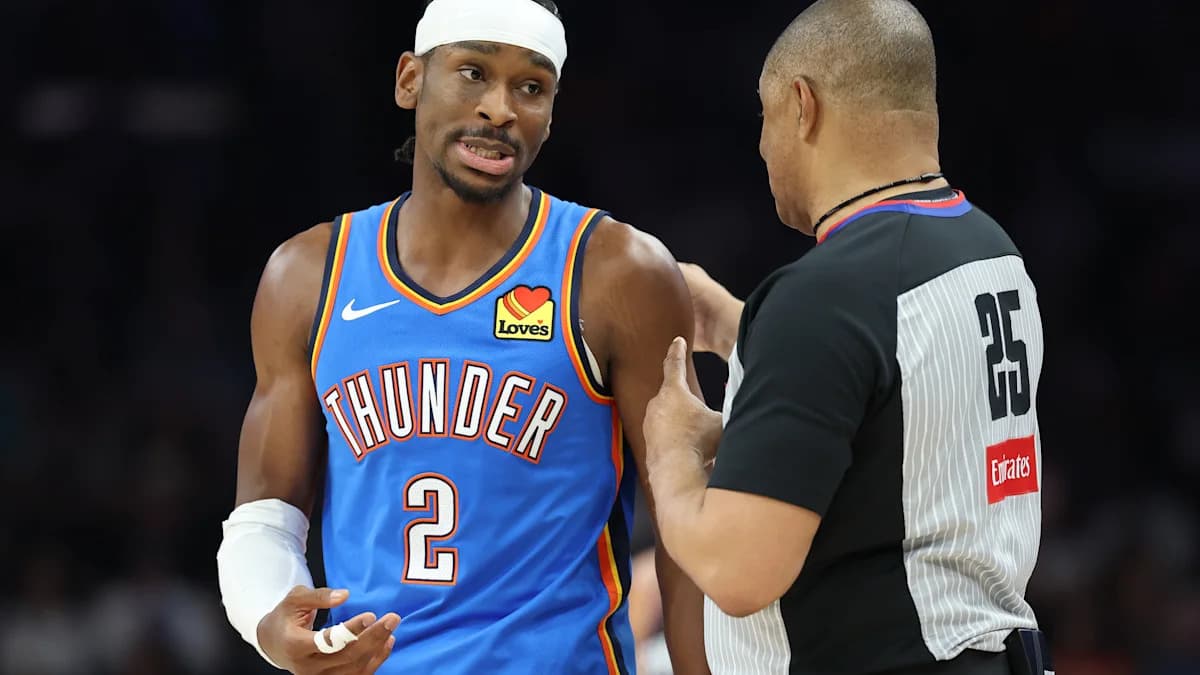
Monty McCutchen, NBA's head of referee development, explained that officials will apply what he calls the "four Fs" to judge push-offs: feeling, firming up position, forceful contact, and full arm extension. If the contact is just a player stabilizing themselves with legs, the play continues. But if an offensive player deliberately extends their arm to create space, the foul will be called.
"The competition committee was really clear: Get rid of the full extensions," McCutchen said. "We expect our staff to have a clear visual understanding of these actions."
McCutchen acknowledged the challenge in distinguishing subtle differences between "firming up" and "forceful" contact, admitting reasonable people might see it differently. To build consistency, referees will meet frequently with the competition committee early in the season for feedback, aiming to reduce the inconsistencies seen last year.
"There were too many plays last season called one night but ignored another," he said. "We have to be more consistent, and we will."
Crackdown on Flopping
The league plans to take a stricter approach to flopping, a long-standing nuisance. Referees will use the "STEM criteria" to identify flops, focusing on secondary, theatrical, exaggerated movements like arm flailing, excessive distance traveled when falling, and potential danger to other players.
McCutchen emphasized the need to penalize players who theatrically exaggerate contact without ignoring legitimate fouls that may precede the flop.
"We can call an offensive foul and also recognize a flop if the exaggerated movement meets the standard," McCutchen said.
He clarified that simple head snaps alone won’t be considered flops, a subtlety fans might notice next time they see players like Jalen Brunson.
Overall, the goal is to reward real play instead of dramatics, allowing players to highlight illegal actions without letting embellishment skew calls.
Screening and Physicality Under Scrutiny
With offenses evolving toward smaller, guard-heavy lineups, screening has changed. James Jones, NBA’s head of basketball operations, pointed out guards often use their arms to push while setting screens, creating unfair advantages.
"We see more guard-to-guard screens, and sometimes they push toward half-court instead of using proper body positioning," Jones said. "We want to stay diligent about that."
The league wants to discourage two-handed pushes that rely on strength rather than skill and positioning.
"Strength should never override the fundamentals like positioning and quickness," McCutchen added.
Adjustments and Consistency
Early in the season, whistle counts often rise as players adapt to new rules. But as teams adjust quickly, these calls usually decrease. Players make fine-tuned changes within short possession windows, showing their adaptability.
"Our players do micro-adjustments better than anyone," Jones noted. "We must stay proactive and diligent because they test boundaries."
One challenging boundary is how players interact with younger officials. McCutchen stressed that silence from referees is unacceptable since it can appear arrogant or unapproachable. Building trust requires clear communication and consistent calls.
"Calling it both ways, clearly and often, is the best path to building good relationships with players and coaches," he said.
While perfection is unlikely, improving consistency can significantly reduce errors and enhance the quality of officiating throughout the season.
What This Means for the Game
More consistent enforcement allows players to compete fairly and showcase their talents. Jones summed it up:
"Better officiating lets players go out and compete, creating memorable moments and compelling basketball for everyone."