Neymar Era Ends: Ancelotti's Vision for Brazil's New Generation
The sentence came quietly, but it landed like a thunderclap in Brazilian football.
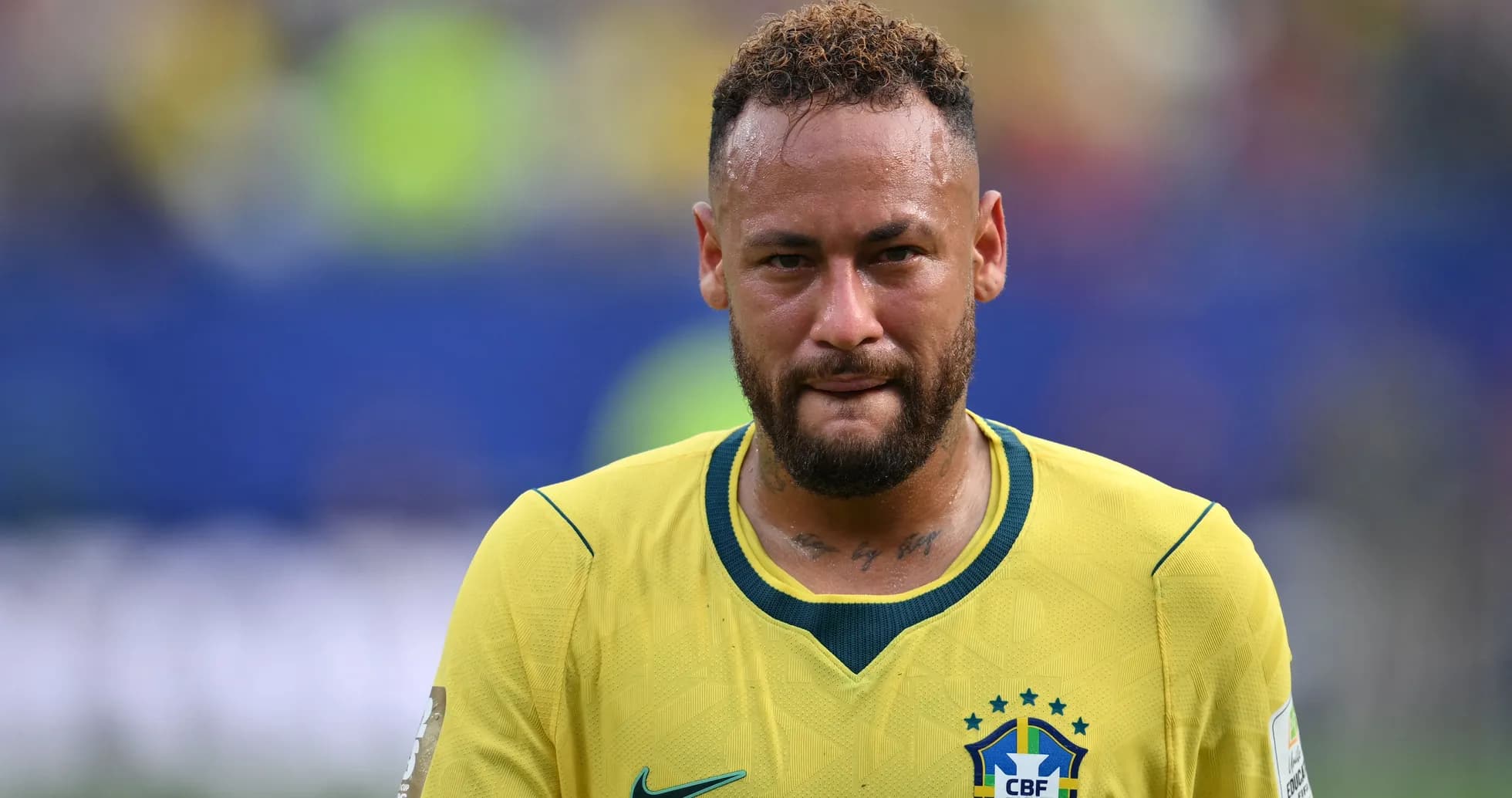
Carlo Ancelotti has confirmed that Neymar will not wear the Brazil shirt again. No farewell tour. No late twist. Just a definitive full stop to one of the most polarising and influential careers in Selecao history.
Speaking to CNN Esportes, the Brazil coach laid it out with the calm authority that has followed him through decades on the touchline. The decision, he stressed, is Neymar’s.
“He deserved to be there because of his quality. Neymar has already confirmed that he does not want to return to the national team,” Ancelotti said. “Neymar cannot be replaced because he was an extraordinary and unique talent. So, an irreplaceable player.”
That word hangs over everything: irreplaceable.
For more than a decade, Brazil’s attacking identity revolved around Neymar. Every tactical plan bent, in some way, toward his talent. Every World Cup cycle carried his name at the centre of the dream. Now, Ancelotti must build a Brazil that no longer looks instinctively to one man to solve every problem.
After Neymar, a Hard Reset
With the Neymar chapter closed, Ancelotti and national team director Rodrigo Caetano have moved straight into reconstruction mode. No nostalgia tour. No time for sentiment.
The target is already set on the horizon: the 2030 World Cup.
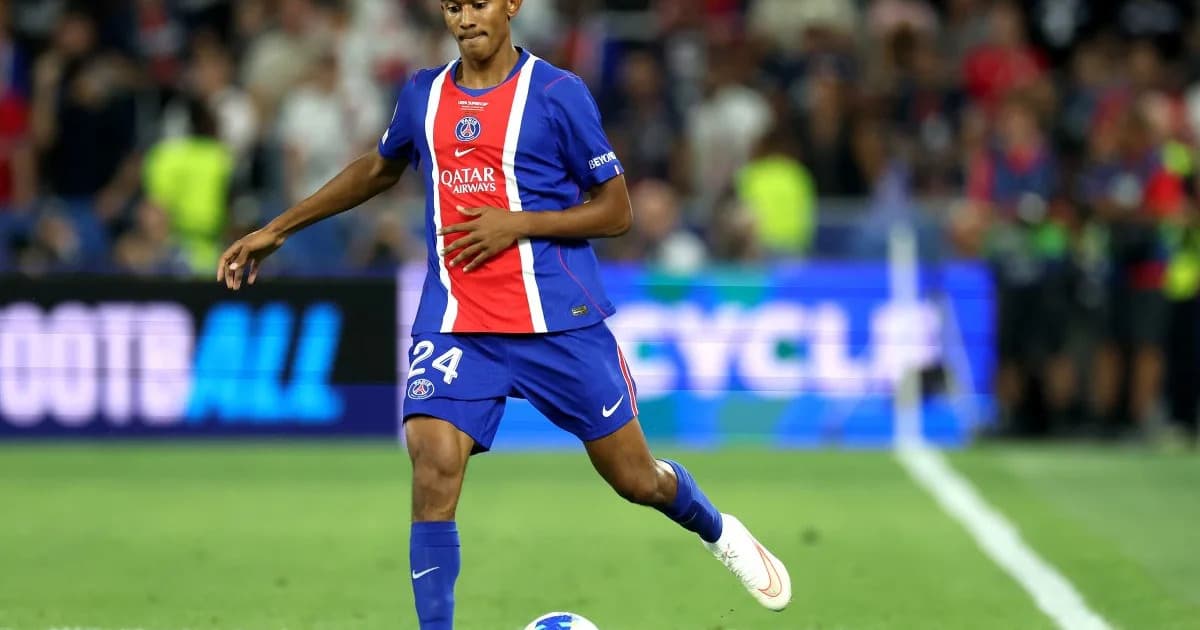
The shift is visible in the most recent squad lists. Familiar veterans have slipped out of the frame. In their place: teenagers, domestic league standouts, and players whose names are still being learned outside Brazil’s borders. The message is unmistakable — this is not a tweak; it is a reset.
“I think we need to proceed step by step,” Ancelotti explained. “Now we need to focus on the young players who could be the future, the players born in 2004, 2005, and 2006. We have young players born in 2008 with a lot of quality, who aren't playing yet, but who can play. Now is the time to look at them, taking their age into account and respecting it.”
He did not close the door on experience entirely.
“It's true that a player can play very well even at 36 or 37. Now is the time to prioritize the youth.”
The balance is delicate. Brazil cannot simply throw away experience, but it can no longer cling to it out of fear of what comes next.
From One Star to Eleven
One of the lasting criticisms of the Neymar era is not aimed solely at the player, but at the structure around him. Brazil often looked like a team waiting for one man to unlock the game. When he did, the brilliance was unforgettable. When he didn’t, the entire project felt fragile.
Ancelotti wants to break that dependency.
“I believe that in modern football, teamwork is what matters, not individual talent,” he said. “Of course, if you have great individual talent, you have a greater chance of winning, but modern football doesn't tolerate a lack of teamwork. We are working to build a strong team for the future, not to rely on a single great individual talent.”
That is not just a tactical line. It is a cultural one.
The Italian is betting on structure, intensity and collective responsibility. Young players will not be asked to become “the new Neymar.” They will be asked to fit into a system that survives with or without any single star.
The first test of this philosophy will not come in a World Cup knockout game, but in friendlies — matches that usually drift by with half-empty stadiums and half-remembered lineups. This time, they matter.
Australia and India are up next, and several debutants are expected to step onto the pitch with the weight of a new cycle on their shoulders. For Ancelotti and his staff, these games are not exhibitions. They are auditions.
Learning From the Pain
Behind the talk of youth and renewal lies a simple truth: Brazil are still hurting from the last World Cup.
The early exit cut deep. It did not just end a campaign; it forced a reckoning.
“I think the World Cup was a disappointment, we're sorry about that, but now we have to look forward,” Ancelotti admitted. “We have time to prepare a new generation of players. And now we'll use the friendlies to see the new young talents that Brazilian football is developing in action. I believe Brazil should be among the best teams in the world.”
That disappointment has become fuel. Inside the federation, the failure has triggered a strategic rethink rather than a cosmetic reshuffle. Admitting what went wrong is part of the process. Changing who carries the shirt is the next.
The upcoming friendlies will not answer every question. They will not erase the memory of past collapses or instantly confirm that Brazil are on the right path. What they will do is lay the first bricks of a new identity — one built around a generation born long after the peak of the legends whose shadows still loom large.
Neymar’s story with the Selecao is over. The void he leaves cannot be filled by a clone, and Ancelotti has no intention of trying.
The real question now is not who replaces him, but what kind of Brazil emerges from the space he leaves behind.