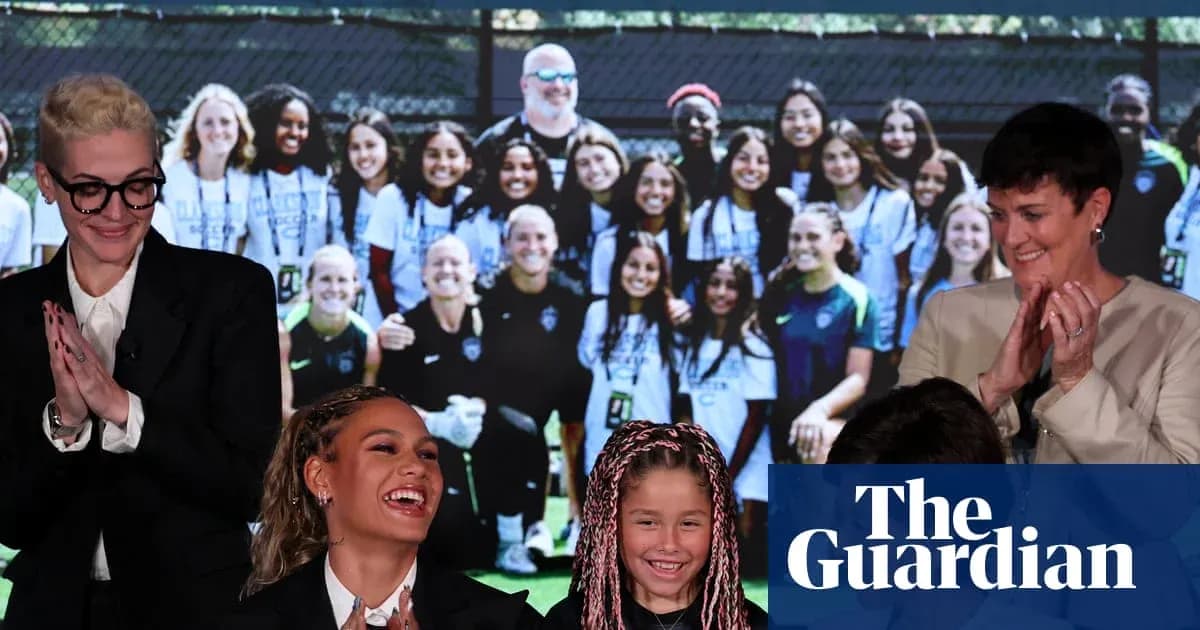
NWSL Rewrites Controversial High Impact Player Rule
The NWSL’s most controversial roster rule has been ripped up and rewritten – and this time, the players won.
In a sweeping settlement announced Friday, the NWSL and the NWSL Players Association agreed to strip away the restrictive criteria around the High Impact Player (HIP) designation, opening the league’s top salary tier to any player a club deems worthy, not just those who fit an elite, league-approved checklist.
A million-dollar rule, with strings attached
The HIP rule arrived late last year as the NWSL’s answer to Europe’s free-spending arms race. It gave clubs an extra $1m to spend above the salary cap – $3.7m for the 2026 season – specifically to retain or attract star power. On paper, it looked like ambition. In practice, it quickly became a flashpoint.
To qualify as a High Impact Player, athletes had to tick at least one of eight boxes: US national team minutes, Ballon d’Or recognition, NWSL Best XI honors, or inclusion on specific media and marketability lists, including the Guardian’s Top 100 and a ranking of athletes by commercial appeal. Roughly 100 players cleared that bar when the rule was introduced, among them Trinity Rodman and Sophia Wilson.
The problem? The list left out names that define the league’s recent history. Two-time NWSL MVP Sam Kerr would have been ineligible. So would US star Catarina Macario. The NWSLPA called foul, arguing the system violated federal labor law and the collective bargaining agreement by creating an arbitrary classification that controlled access to the biggest paydays.
They didn’t just complain. They filed a grievance.
Criteria scrapped, power rebalanced
The pressure told. Under the new settlement, the HIP criteria are gone.
From 1 January 2027, any player can carry the High Impact Player tag if their salary reaches at least 12% of the base cap. The league retains the right to cap how many HIP players each club can register, but the gatekeeping over who is “impactful” enough is finished.
The agreement does more than fix one rule. In total, six grievances were resolved, including a high-profile clash over a blocked contract proposal between the Washington Spirit and Rodman, and another over the league’s footwear policy that had players fined for wearing non-sponsor cleats.
NWSLPA executive director Meghann Burke called the settlement “evidence of the NWSLPA’s strength and commitment to enforcing the terms of the Collective Bargaining Agreement” in comments to ESPN, which first reported the deal. On the league side, executive vice-president Bill Ordower framed the outcome as part of a maturing relationship, saying disagreements are inevitable in a fast-growing competition and stressing the importance of “how you work through them.”
This time, the process has left players with more leverage and the league with clearer lines.
The ‘Rodman Rule’ comes full circle
To understand how fraught the HIP debate became, you start with Rodman.
Last offseason, the Washington Spirit forward sat at the center of a tug-of-war that exposed the limits of the league’s old financial structure. European clubs put forward lucrative offers. Under the existing cap rules, the Spirit simply could not compete.
In November, before the HIP rule existed, Washington tried anyway. They proposed a deal that would have paid Rodman more than $1m per year on average. NWSL commissioner Jessica Berman stepped in and blocked it, citing its backloaded structure as a violation of league rules. The NWSLPA responded with a grievance, calling the refusal a “flagrant violation” of free agency rights.
Weeks later, the league unveiled the HIP mechanism. The timing, and the way it seemed tailored to handle precisely the sort of contract Rodman had sought, earned it an unofficial nickname: the “Rodman Rule.”
Once the rule was in place, Rodman re-signed in January on a record contract worth more than $2m annually. The saga ended for the player, but not for the union. The grievance over the original blocked deal stayed open – and now forms part of the package that has reshaped the HIP landscape.
While the league does not publicly disclose which players are signed using HIP slots, several obvious candidates have since landed major deals, among them Denver’s Lindsey Heaps, Orlando’s Barbra Banda and Gotham’s Rose Lavelle. Under the new framework, future negotiations for that tier of star will unfold without the awkward filter of media lists and awards ballots.
More transparency, fewer tripwires
The settlement also reins in another source of friction: the league’s power to veto contracts.
The NWSL can still reject deals it views as attempts to circumvent the salary cap, but it no longer gets to do so in a black box. Any such decision must now be reported to the union within 72 hours, along with a written explanation. The league will also provide regular salary cap and revenue updates to clubs over the course of the year, tightening the information loop in a system that depends on strict financial rules.
Off the pitch, the footwear fight has been defused. Players who had been warned or fined this season for wearing cleats from non-sponsor brands will see those penalties withdrawn. The league has agreed to honor pre-existing endorsement contracts for most players, a significant concession in a sport where individual sponsorships often bridge the gap between base pay and a sustainable career.
Taken together, the changes mark a shift in how power is shared in the NWSL. Clubs gain flexibility to reward talent. Players gain cleaner pathways to the top of the pay scale and more protection around their commercial lives. The league keeps its cap and its right to police it, but with new checks and clearer obligations.
The HIP rule was born as a rushed solution to a talent drain and quickly became a symbol of tension between ambition and control. With the criteria scrapped and the grievances settled, the next wave of star contracts will test a different question: in a league determined to grow on its own terms, how high are clubs now willing to go?