
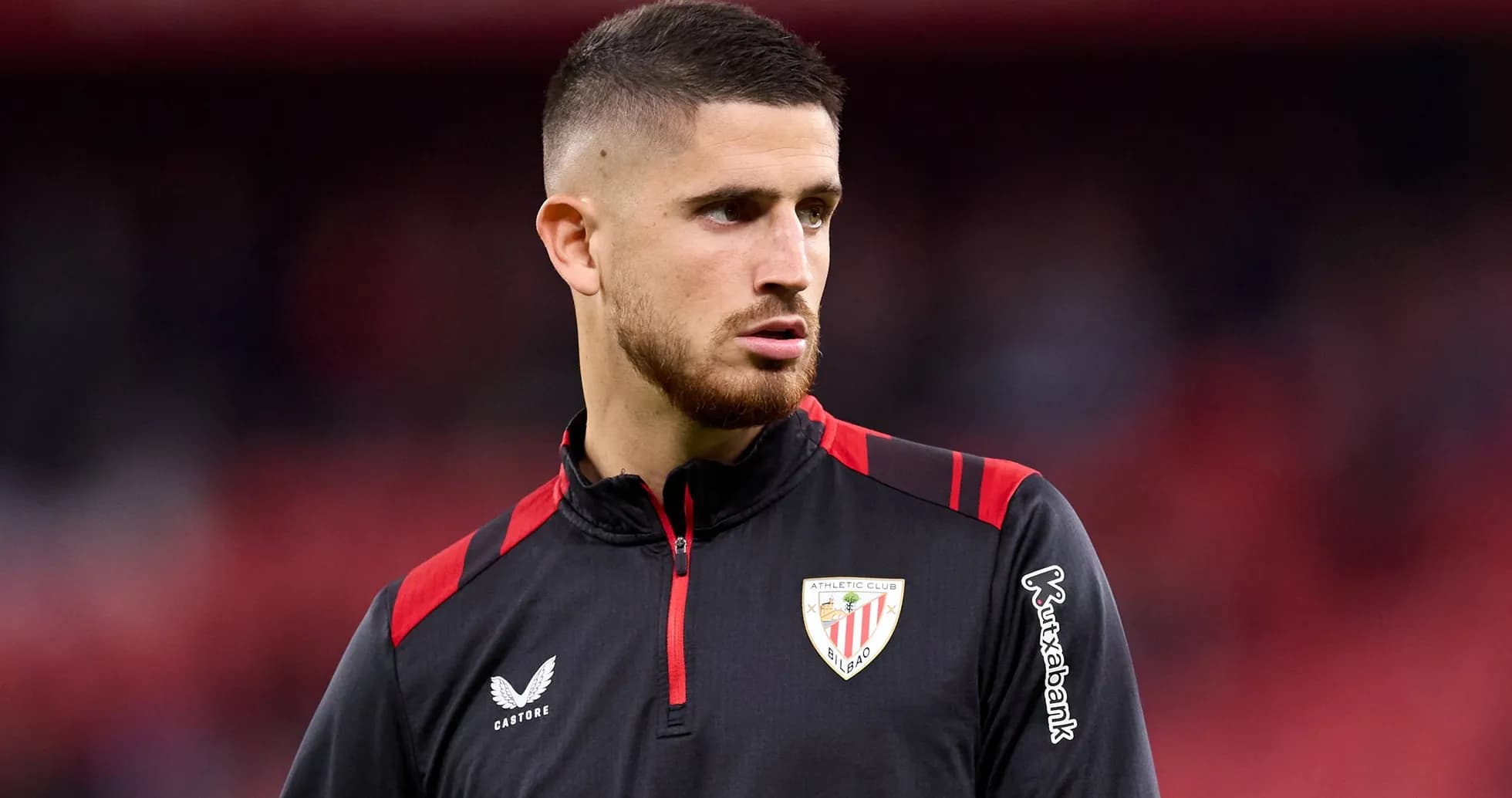
Oihan Sancet's Basque Dream: A Footballer's Crossroads
Oihan Sancet stands at a crossroads that many footballers never face. A Spain international on one side, the dream of an officially recognised Basque national team on the other. On Saturday at San Mamés, as Euskal Selekzioa face Venezuela, that tension steps onto the pitch with him.
Sancet’s Basque dream
The Athletic Club midfielder will make his debut for the Basque side in a match arranged to mark the 90th anniversary of the first Basque Government. For Sancet, born in Navarre and already on the scoresheet for Spain in a European Championship qualifier against Scotland, this is more than a ceremonial call-up.
"It is a source of pride to play for the team you love, and hopefully it will happen and we can one day play in a World Cup with our country's national team," he told reporters at Lezama. Clear. Uncompromising. A Spain international openly voicing a World Cup ambition with Euskal Selekzioa.
He arrives in camp after a muscular problem that cost him four matches with Athletic, but he brushed aside any doubts. The playmaker confirmed he is "fully recovered" and sees the clash with Venezuela as a chance to regain rhythm, saying it "will help me get back up to speed." He likes what he sees around him too: "We have a great team and a lot can be achieved."
A camp with a cause
This is not a routine international break gathering. Jagoba Arrasate’s squad opened a two-day training camp at Lezama on Thursday, with the political and sporting significance woven into every session.
There have been setbacks. Fitness issues forced Aitor Fernandez, Dani Vivian and Hugo Rincon to withdraw from the squad. The response was swift: Unai Marrero, Andoni Gorosabel and Benat Prados received late call-ups, while defender Igor Zubeldia also joined the group. The churn did little to dampen the sense of occasion.
On Friday morning, the team will train in an open session at Saint-Jean-de-Luz, taking the Basque colours closer to the border and to supporters who rarely see this side up close. From there, the squad will visit the grave of Jose Antonio Aguirre, the first Basque president, to lay flowers. It is a deliberate gesture, tying this match to a longer political and cultural story.
Arrasate pushes for recognition
Behind the scenes, the Basque Football Federation has moved again in its pursuit of official status. It has reapplied to Spain's National Sports Council for formal recognition, pointing to precedents in other sports. Basque teams already compete internationally in surfing and Basque pelota, where they have claimed Jai Alai and doubles hand pelota world titles.
Arrasate, currently Osasuna boss but here the standard-bearer for Euskal Selekzioa, knows what that kind of recognition can mean.
"I experienced the pelota situation first-hand with people from Berriatua who travelled to Argentina and Uruguay, and I am proud of what they achieved," he said. For him, the lesson is clear: success follows will. "Every sport has its nuances and there will undoubtedly be competing interests, but the first step is genuine determination, and I believe we have that."
Last year’s match against Palestine drew 51,000 fans and set a benchmark for what this team can represent. Arrasate is acutely aware of that. "The bar is set very high, but we are full of enthusiasm," he noted, before underlining the commitment he sees in his players. "When the players pull on this shirt, they give everything they have. I see a spark in their eyes, an eagerness to perform well, and why not win again? We have the quality to compete against top national sides, and Saturday is a great stage to show that."
A stage and a statement
San Mamés will not host a competitive international on Saturday. Not yet. But the planning reflects a manager who wants both spectacle and inclusivity. Arrasate intends to field two separate line-ups against Venezuela so that every player sees the pitch, every player wears the shirt in a game that carries symbolic weight.
The rhythm is simple: train, pay homage, perform, then disperse. Once the final whistle blows, the squad will fold back into club life and domestic campaigns. The push for recognition will return to offices and council meetings.
For 90 minutes, though, under the lights in Bilbao, Sancet and his teammates will act as if the dream is already real. The question now is whether the institutions will ever move quickly enough to catch up with them.





