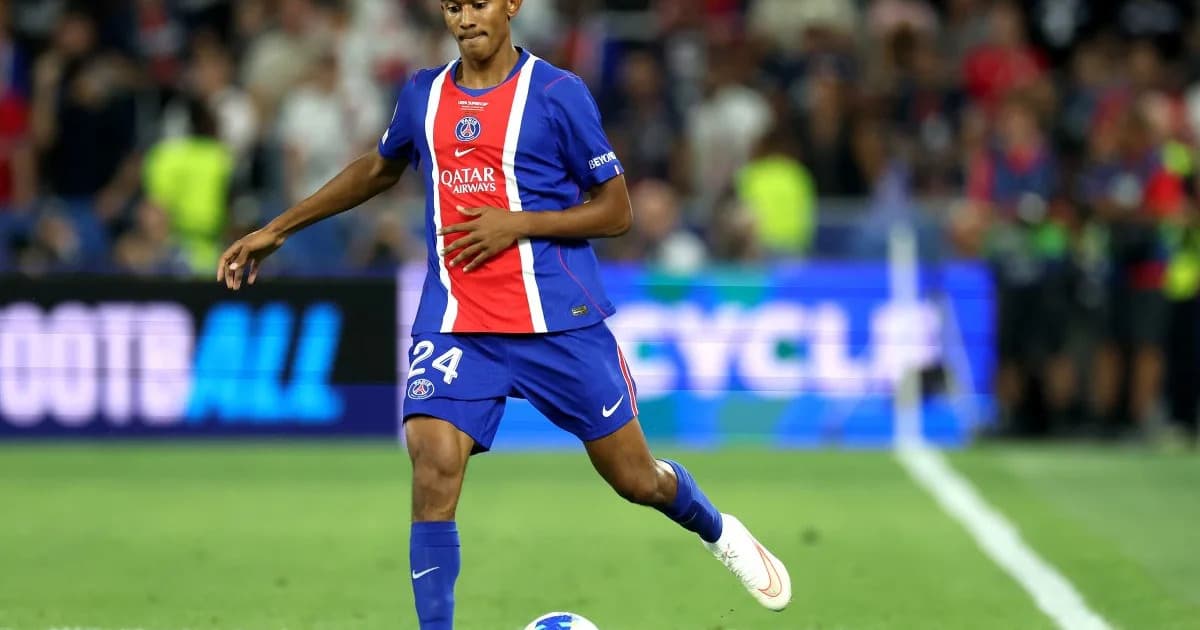
O'Reilly's Journey to PFA Young Player of the Year
Breaking into Manchester City’s first team is football’s equivalent of squeezing through the eye of a needle. Talent gets you noticed. It does not get you in. Not at that club, not at this level.
For O'Reilly, the jump from promising academy full-back to PFA Young Player of the Year felt like it happened in one whirlwind season. In reality, it was the product of years of sacrifice, a brutal tactical education, and one brutally honest message from his former manager, Guardiola.
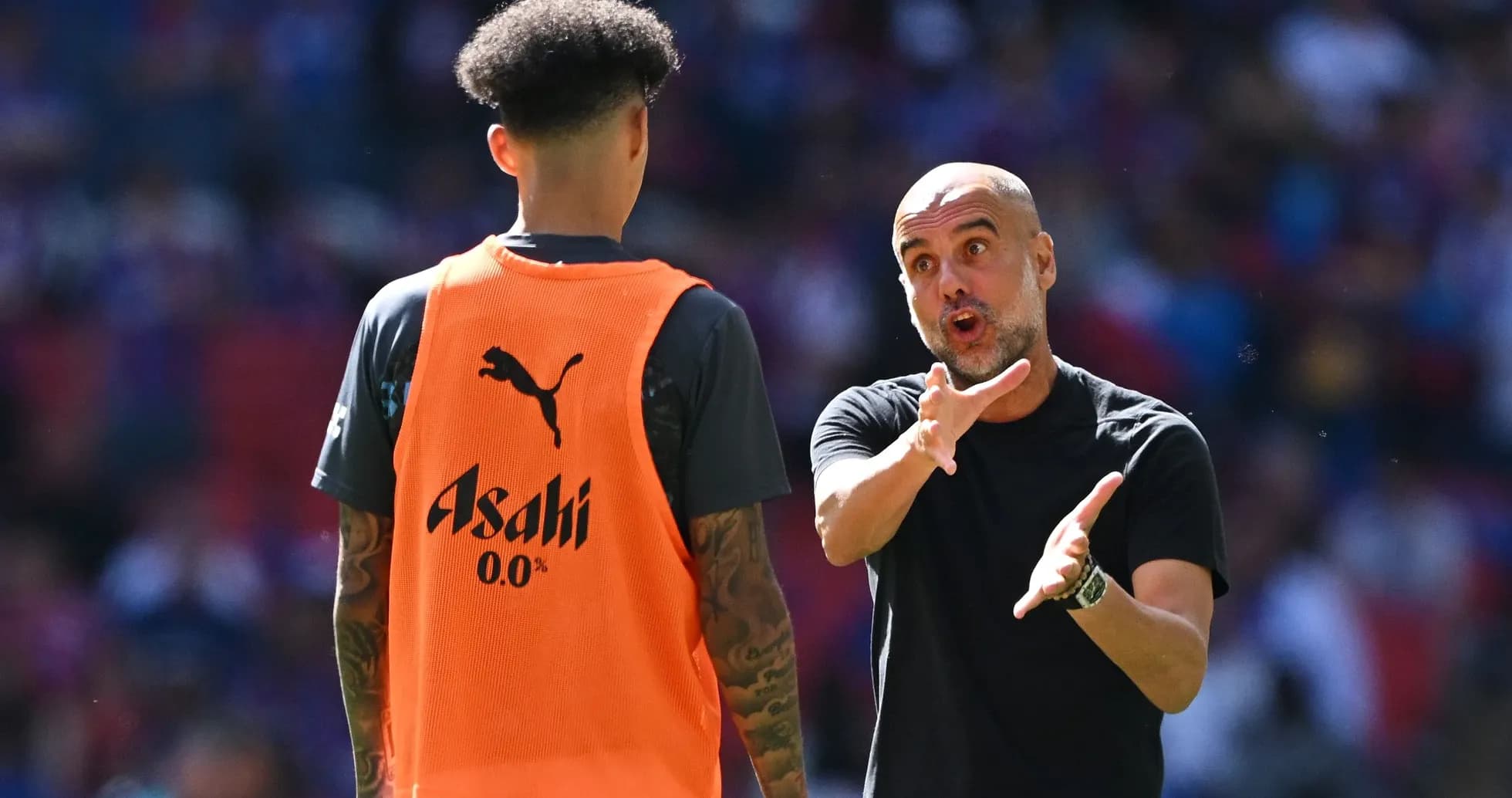
Guardiola’s blunt verdict
The 21-year-old left-back had always looked at home with the ball. That much, Guardiola made clear from the outset. The problem lay in everything that happened when possession was lost.
“When I first came through he said; ‘On the ball, no problems, but off the ball you need to be more aggressive. More hungry. More desire’,” O'Reilly recalled on the Beast Mode On Podcast with Adebayo Akinfenwa.
It was not a gentle nudge. It was a line in the sand. Adapt or stall.
O'Reilly chose to adapt. He overhauled his work rate, sharpened his defensive instincts, and embraced the relentless demands that come with playing full-back in a Guardiola side. The shift changed his trajectory and, crucially, his manager’s trust.
“That’s something I picked up and that’s what helped me get to where I was last season and the trust he had in me. I think that was the biggest lesson he gave me,” he said.
The result was a breakout campaign that turned him from squad option into cornerstone, and from prospect into PFA Young Player of the Year. The award only confirmed what City’s staff and opponents had already seen: one of Europe’s most exciting young defenders had arrived.
A childhood traded for a career
That rise did not begin with Guardiola’s tactical tweaks. It started years earlier, in the quiet, unseen decisions that separate the dreamers from the professionals.
While his friends were figuring out weekend plans, O'Reilly was figuring out how to get enough sleep before training.
“In the school days, when you were younger, 14, 15, even a bit younger than that. Your friends would go out to parties, hang around out late and you kind of have to not go and say; ‘I can’t go, I’ve got training’,” he said.
The words are simple; the reality is not. Teenagers rarely enjoy saying no. O'Reilly had to make it a habit.
“That was one of the sacrifices, growing up different to everyone else. Throughout my whole life and career I’ve just dedicated everything to football. You don’t grow up as a normal kid.”
Early curfews. Relentless sessions. The constant sense that one missed step could close a door forever. That is the cost of chasing the top of the Premier League, a cost most never see and even fewer are willing to pay.
Those choices have carried him into Enzo Maresca’s current City squad as a fully-fledged first-teamer, not a hopeful academy name waiting for a cup tie. The standards have not softened. If anything, they have hardened around him.
Facing Messi, backing Ngumoha
The reward for all of it? Nights and afternoons against the very best the sport can offer.
Asked to name the toughest attacker he has faced, O'Reilly did not hesitate. Lionel Messi. Of course it was Messi. The kind of opponent who exposes every lapse in concentration, every half-second of hesitation. The kind of opponent you grow up watching, then suddenly find yourself trying to stop.
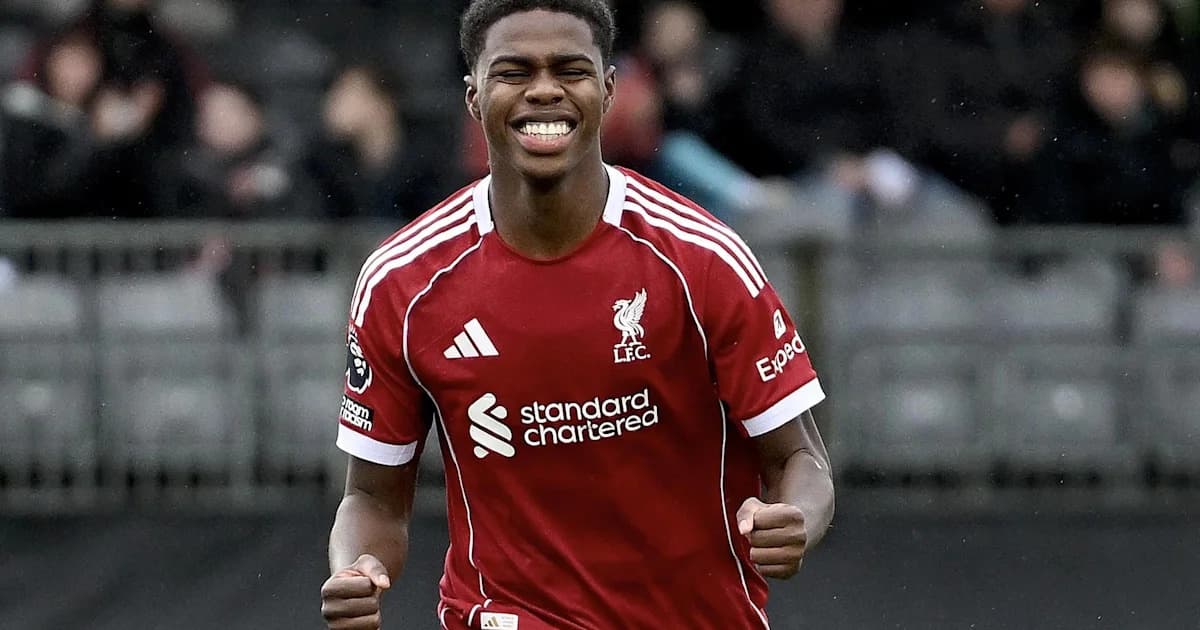
Those experiences shape a player’s perspective on talent, too. Looking ahead, O'Reilly highlighted Liverpool youngster Rio Ngumoha as a name to watch, tipping him for a huge 2026-27 season and calling him “very, very special”.
From sacrificing parties as a teenager to chasing down Messi and identifying the next wave, O'Reilly’s story is not just about one standout season or one award. It is about what it takes to survive – and thrive – inside one of the most unforgiving dressing rooms in world football, and what that standard might demand of the next generation desperate to follow him.