Oxford United Withdraws Controversial 'United 93' Clothing Line
Oxford United launched a bold new US-inspired clothing range on Friday morning. By lunchtime, it had vanished.
The League One club’s “Campus Collection” was billed as a nod to American college sport – NFL-style shirts, campus lettering, the full Stateside aesthetic. Instead, it collided head‑on with one of the darkest days in modern history.
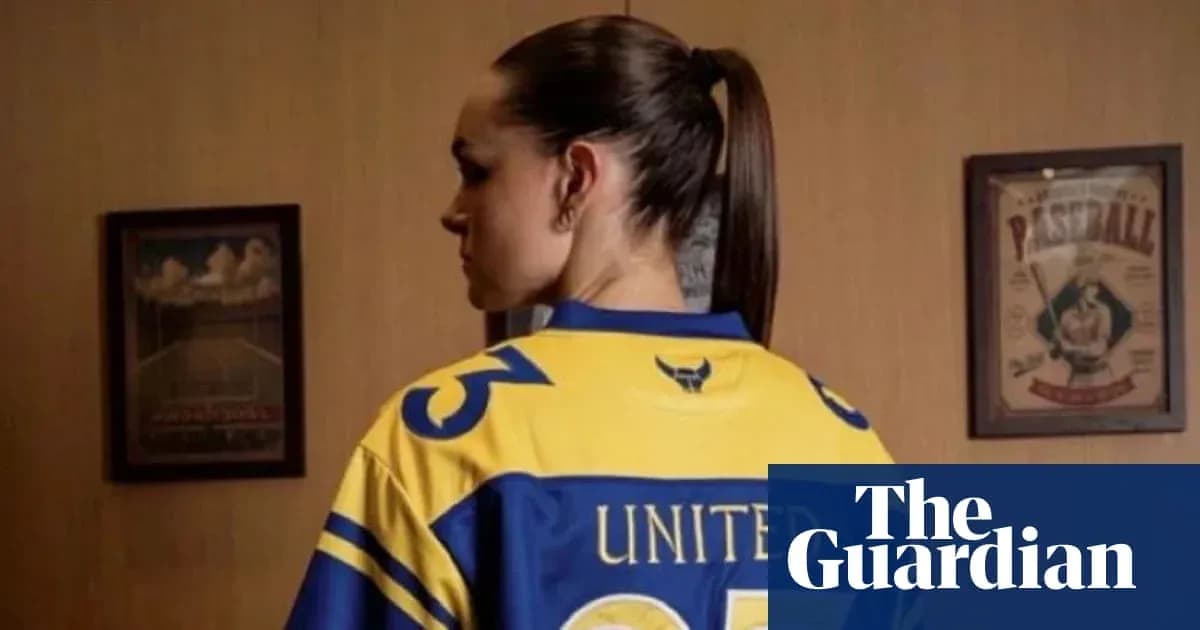
At the heart of the storm was a single detail printed across the chest of one of the designs: “United 93”.
For Oxford, the number was intended as a neat historical reference, a stylised way of marking the club’s founding year of 1893. For anyone familiar with recent history, it meant something very different.
United 93 was one of the four passenger jets hijacked by al-Qaida on 11 September 2001. Passengers fought back, preventing the plane from being used to attack a government target in Washington DC. It crashed into a field in Pennsylvania, killing all 44 people on board. The story later became the subject of the film “United 93”, a title etched into public memory.
That context was missed in the design and sign-off stages at Oxford United. The club had originally planned to launch the Campus Collection on 11 September this year – the 25th anniversary of the attacks that killed nearly 3,000 people. Concerns were raised over the sensitivity of that date, and the launch was pushed back.
The delay did not stop the problem. When the range finally went live online on Friday, promotional images showed models wearing a dark, American football-style jersey with “United 93” emblazoned across the front. The reaction was swift.
Within roughly two hours, the collection had been pulled and the web page deleted. The club moved quickly to issue a public apology, acknowledging the scale of the oversight.
“The range was released without understanding of the historical context and associations,” the statement read. “It should not have reached the point of sale and we take full responsibility for not undertaking proper due diligence.
“We have removed the collection with immediate effect and are reviewing our approval processes to ensure nothing like this happens again. Once again, we would like to put on record our sincere apologies for this error and any offence caused.”
The language was unequivocal. So was much of the reaction.
On the Yellows Forum, one supporter called it a “monumental cock-up that I would expect to be sacked for if I’d signed off on it”, capturing the anger and disbelief that something so charged could slip through so many hands. Others, though, urged perspective, stressing the absence of malice.
“Whilst not ideal … everyone who sees this realises there’s no malicious intent,” another fan wrote. “Ultimately there was just no consideration to it at all.”
That, in the end, is the crux. This was not a deliberate provocation, nor an attempt to trade on tragedy, but a stark example of what happens when branding, history and global trauma intersect without anyone in the room spotting the collision course.
Oxford United now face the quieter, more uncomfortable work: tightening internal checks, rebuilding trust, and ensuring that the next big off-field idea is remembered for its style, not for a painful lesson in what a missed reference can mean in a global game.