Pablo Torre's Investigation of Clippers Violations
Pablo Torre isn’t spiking the football. He’s too much of a reporter for that. But after the NBA dropped a hammer on the Los Angeles Clippers, it’s hard to ignore the simple truth:
The story he told — the one so many powerful people tried to discredit — just got backed up by the league itself.
A Pulitzer, a podcast, and a storm
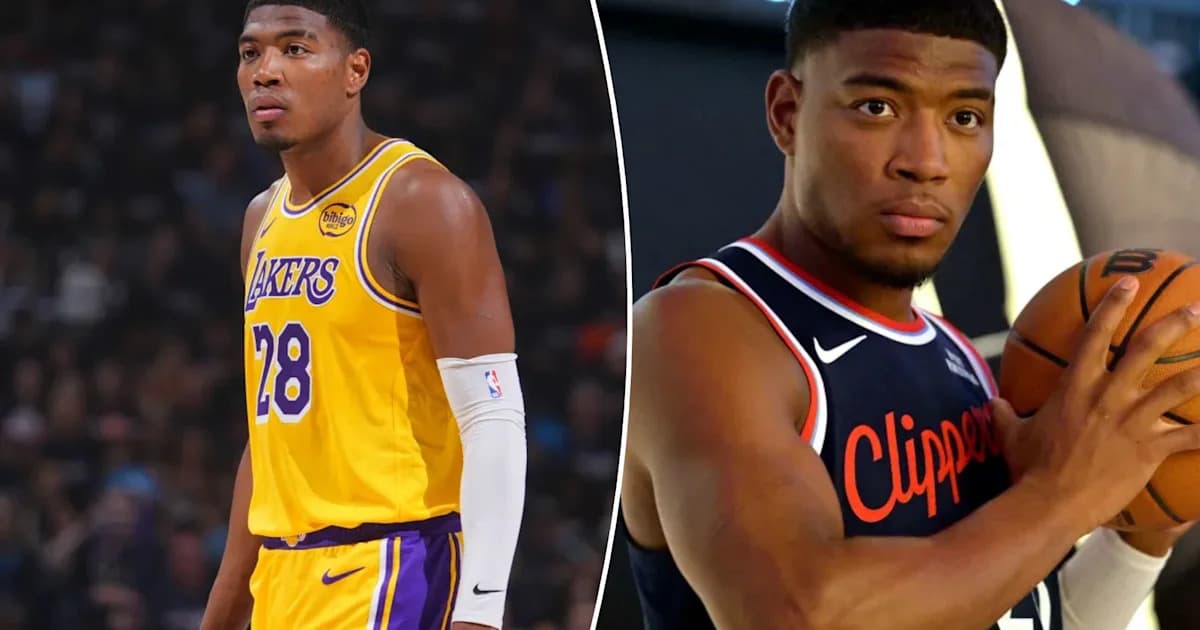
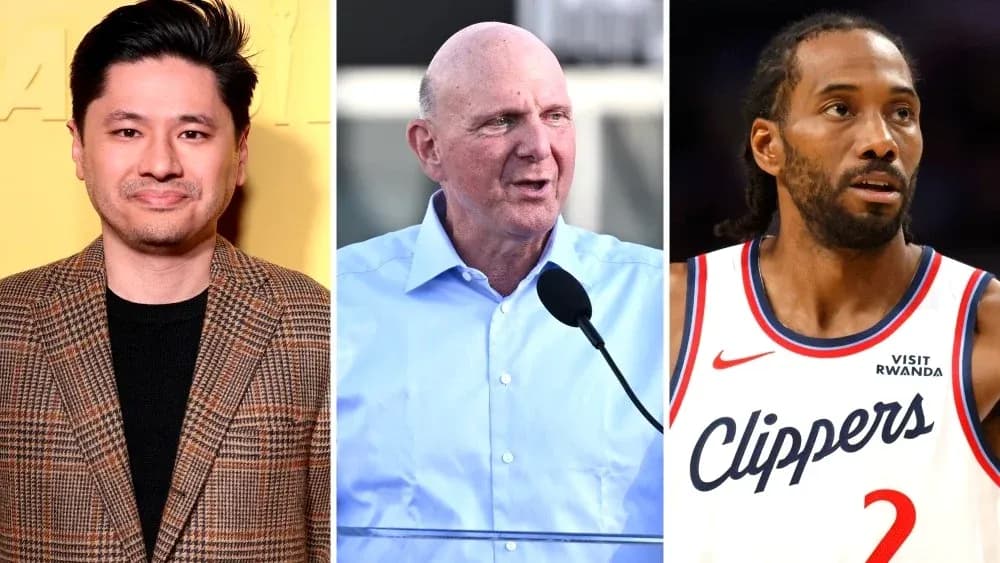
Last year, “Pablo Torre Finds Out” stopped being just a clever, offbeat sports show and turned into something far heavier. Torre and his team spent months digging into how the Clippers allegedly bent the NBA’s salary-cap rules, centering on a $28 million no-show endorsement deal for Kawhi Leonard from Aspiration, a company whose co-founder is now serving 14 years in prison for defrauding investors — Clippers owner Steve Ballmer among them.
The series won a Pulitzer Prize. It also sparked a backlash that said plenty about who fans and media choose to believe when money, star power and access are on the line.
Ballmer denied everything, loudly and often. His friends and allies lined up behind him. Mark Cuban, the billionaire former Mavericks owner, and ex-NBA guard Ty Lawson publicly ripped Torre’s reporting. ESPN — Torre’s old employer — published a story on Aug. 17 under the headline, “Sources: NBA has no evidence Ballmer funneled money to Leonard via sponsors,” a piece that read like a shield for the Clippers’ version of events. Puck’s Peter Hamby used his platform to paint Torre as a clout-chaser.
Torre kept reporting.
The league steps in
On Sept. 2, the NBA released its findings. The league had hired Wachtell Lipton to run an independent investigation into the Clippers and Leonard. The conclusion: the franchise had “committed multiple significant rules violations,” and Leonard, through his uncle Dennis Robertson, had pushed the Clippers “to assist him in obtaining off-court income opportunities, successfully obtaining those opportunities, and failing to reimburse payments by the Clippers for personal expenses.”
The punishment was historic: a $30 million fine, five first-round draft picks stripped, and a one-year suspension for Ballmer — the harshest penalty ever handed to an NBA team.
Leonard, by comparison, walked away with a financial sting that barely qualifies as that: a $700,000 fine, no suspension, and a path out of the country and onto the Toronto Raptors via trade.
The contrast was stark. The message, less so.
Leonard released a statement saying, “I accept full responsibility for the lapses in judgment by people within my inner circle,” while insisting that “integrity and respect for this game are fundamental to who I am.” NBA commissioner Adam Silver called the violations “flagrant” and blasted the Clippers’ “institutional and leadership failures.” Ballmer fired back, labeling the investigation “heavily biased” and vowing to explore “every legal remedy” against what he called a “gross injustice.”
For Torre, the league’s findings confirmed what his work had laid out. But he refuses to measure journalism by whether the subject of an investigation — or the league policing it — eventually agrees.
“Journalism does not exist to be validated by the entity it investigates or by the awards it receives,” he says. The reporting has to stand on its own.
When the machine turns on you
If the NBA’s decision felt like a plot twist, the way parts of the media handled the story felt more familiar — and uglier.
Torre describes his experience with ESPN’s August report as “not great,” and that’s putting it mildly. He questions why the network framed the story in a way that echoed Clippers talking points, why no one there called him before publishing, and why his post-publication statement — “We stand by our reporting. We look forward to the NBA’s ruling. And our investigation continues.” — never made it into the piece after he was told it would.
His own reporting, he says, suggests a crisis PR effort, hired by Ballmer, shopped a friendlier narrative around the league. What landed at ESPN, he argues, looked “deeply” like the Clippers’ own press release.
“So, it’s not exactly a mystery as to where the information came from,” Torre says. The mystery, in his view, is why a major outlet looked at a year of on-the-record and documentary evidence from a reporter it knew well and decided the franchise under federal and league scrutiny sounded more credible.
Puck’s attack cut even closer.
Torre describes Hamby’s podcast as a hit job by people who hadn’t meaningfully engaged with his work but felt free to question his standards anyway. He calls it “darkly poetic” to be lectured on journalistic ethics by an outlet that, in his view, didn’t resemble those standards in this case.
“It was either incompetence or malice,” he says. “And at this point I think there’s an increasingly vanishing distinction.”
The criticism wasn’t universal. Cuban and Lawson both issued public apologies once the NBA’s findings came out. Torre appreciated that — and the way they did it — but the damage from the broader pile-on lingers as a case study in how quickly a narrative can be bent by money, relationships and platforms.
Kawhi’s slap on the wrist
The league’s penalty structure raised its own questions. How does a team get crushed with $30 million in fines and five first-rounders, its owner banned for a year, while the star at the center of the scheme gets what amounts to a token fine relative to the tens of millions he earned?
Torre’s reporting offers an answer rooted less in morality than in strategy.
He believes the NBA made a calculated choice: give Leonard minimal punishment to secure a settlement with him and the players’ union, and in doing so close off arbitration — one of Ballmer’s best avenues to drag the league and its partners into a prolonged, messy fight.
By accepting that “slap on the wrist,” Leonard and the union, according to Torre’s reporting, effectively removed arbitration from the table. When the hammer then fell on Ballmer, his remaining path wasn’t a quiet, contained process but open court — lawsuits against the NBA, the commissioner, Wachtell Lipton, Torre himself, and anyone else his legal team chooses.
“That’s a legal strategy that the league made,” Torre says. “It is not the same thing as telling you what really happened, and what culpability everybody actually had.”
Leonard’s public statement, in that light, reads less like full accountability and more like a negotiated exit line. Torre points out that Leonard, 35, sat in meetings with teams, knew what his uncle was asking for, and signed documents attesting to his knowledge and consent.
“By my own collection of documents, it doesn’t make sense to me,” Torre says of Leonard’s claim to only indirect responsibility. “But in terms of why he said it, I understand. He’s basically getting to say, ‘I’m out, this wasn’t great, I regret some things, see you in Toronto.’”
The irony, as Torre frames it, is that the entire saga turns on how badly Ballmer wanted Leonard — and how blind that desire left him to the ways in which his own interests and Leonard’s could split apart.
What’s next — and what’s not
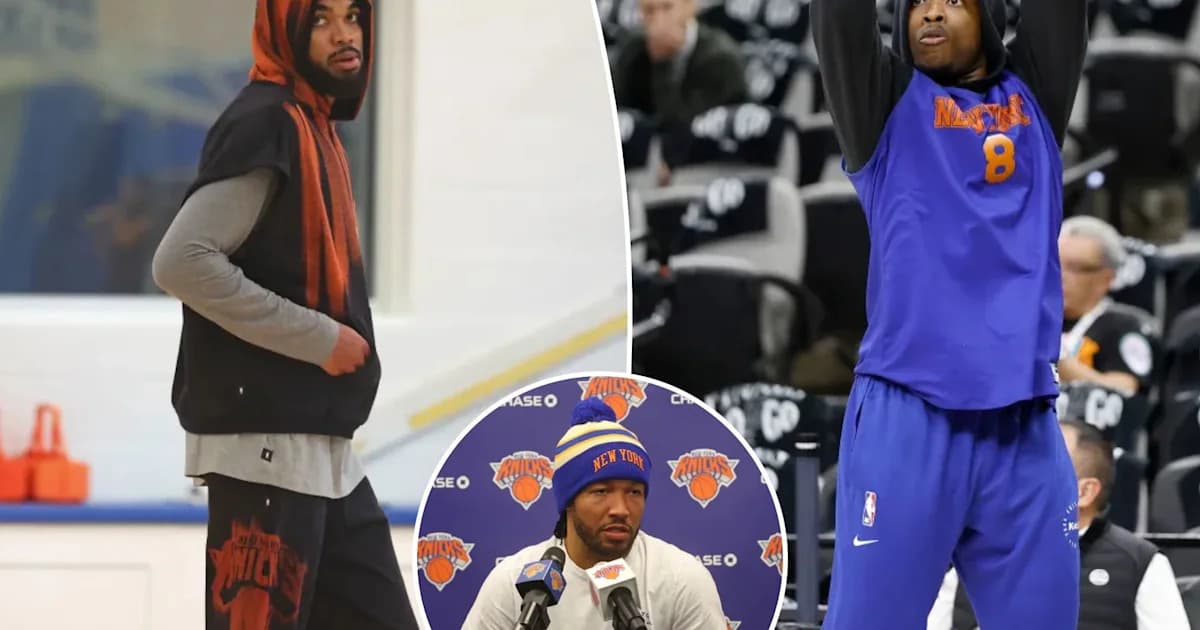
With the Clippers investigation now publicly validated and legally weaponized, Torre isn’t pivoting to every big-market rumor. He’s clear: he is not investigating the New York Knicks or Jalen Brunson.
“They are not a target,” he says. “At the moment I’m absolutely not focusing on the Knicks or Jalen Brunson.”
His attention is already locked elsewhere in Los Angeles.
On his podcast, Torre is rolling out a new multi-part investigation into Mark Walter, the Los Angeles Dodgers owner who is under federal investigation over $21 billion in undisclosed loans made by two insurance companies he owns. Walter recently sold the Lakers to Bob Iger and Joshua Kushner for $12.5 billion, a transaction that provides one of Torre’s entry points.
Part one drops Friday.
Torre says the story again touches federal agencies, the public interest, Hall of Fame basketball players, and both a Los Angeles NBA team and a Major League Baseball franchise. The challenge, as with the Clippers case, is to take a seemingly dense financial web and make it feel both legible and urgent to fans.
“We’re trying to make something that seems very complicated… something that people realize is not only a lot simpler than they might think, but is also deeply relevant to their interests as the public is concerned,” he says.
The Lakers sale to Iger and Kushner is part of the picture, but not the whole. Torre stresses this first episode is a starting point, not a final word, with months of work already in the bank and a flurry of recent reporting accelerating the project.
The Clippers saga showed what happens when a dogged investigation collides with the NBA’s political and financial realities. The next one asks an even bigger question:
How far is sports journalism willing to go when the money gets larger, the stakes get higher, and the owners at the center of it all sit at the very top of American power?