Paul Scholes Questions Manchester United's Goalkeeping Stability with Lammens
Paul Scholes has never been one for sentiment. Legends rarely are. And his latest assessment of Manchester United’s new No.1, Lammens, cuts straight to the bone of what this team still lacks: certainty between the posts.
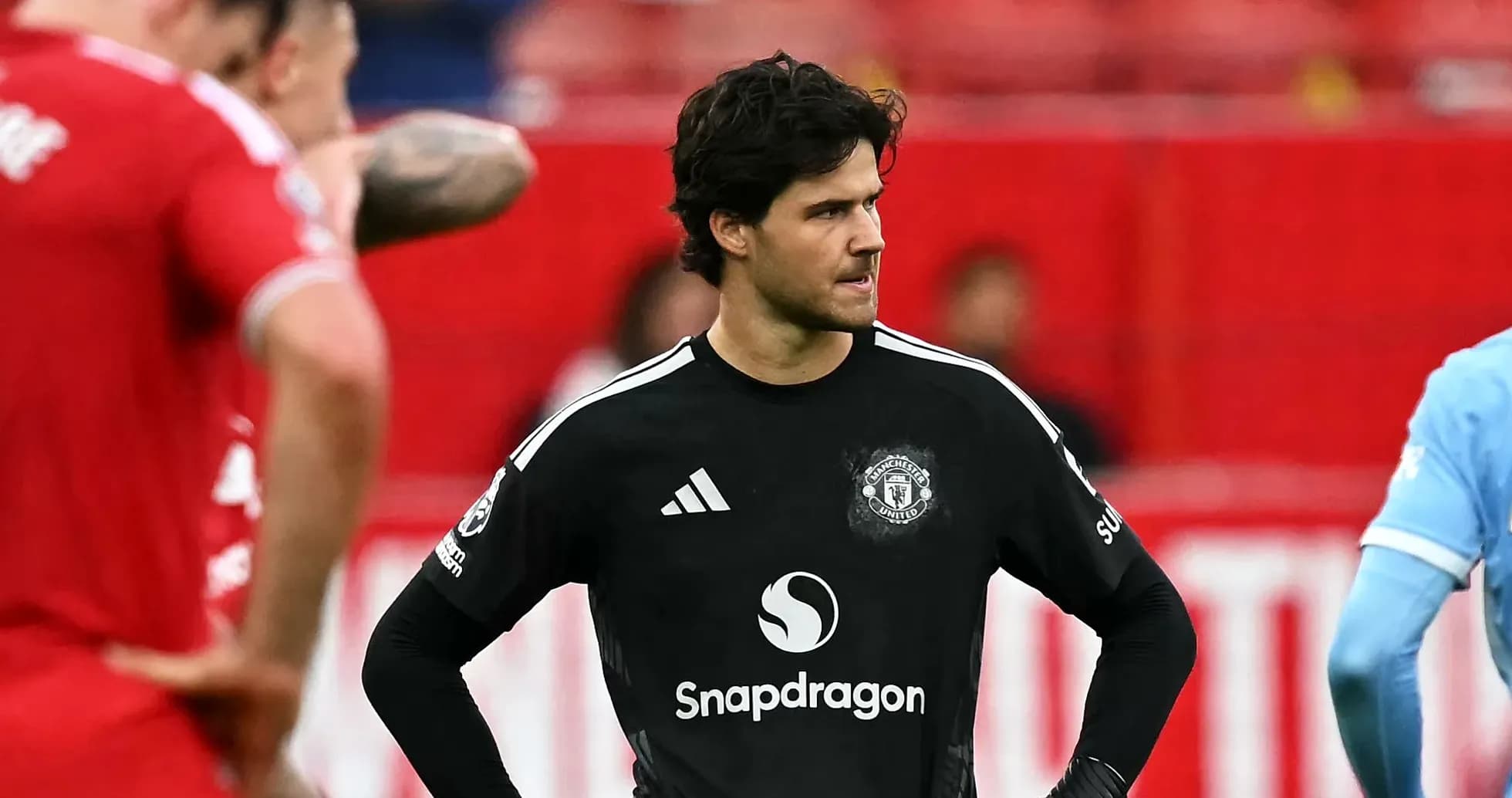
The 24-year-old Belgian arrived from Royal Antwerp for £21.7 million last summer, eased Altay Bayindir out of the way, and quickly settled into the starting XI. For a club still trying to remember what a stable rebuild looks like, that felt like progress. A new goalkeeper, young, ambitious, confident enough to take the shirt. A fresh start.
Scholes isn’t convinced that’s enough.
On The Good, The Bad and The Football podcast, the former United midfielder went right to the heart of the Premier League’s unwritten rulebook. "What team have you seen win the Premier League without a top class goalkeeper?" he asked. It wasn’t a rhetorical flourish. It was a reminder.
He name-checked the standard. Alisson at Liverpool. Raya at Arsenal. Peter Schmeichel and Edwin van der Sar at United. Teams that started their title pushes from the six-yard box, not the centre circle. In Scholes’ mind, any serious project begins with a goalkeeper you don’t have to think about. A presence, not a question mark.
Right now, Lammens is a question mark.
United, under Michael Carrick, are trying to piece together a new identity, one built on structure rather than superstardom. Scholes sees the logic. He also sees the gap. He pointed to Arsenal’s transformation "three or four years ago", when Mikel Arteta locked down the defence and built upwards from there. They did it, Scholes argued, with a top-class goalkeeper as the base layer.
That’s where the warning sits for Lammens. If he doesn’t grow into that level, Carrick may have to look beyond him.
"You start from the back, of course you do," Scholes said, before leaving the door slightly ajar for the Belgian. "Whether Michael's just got to be patient and wait for that, I don't know." The message was clear enough: patience has limits at a club that measures itself in titles, not transition seasons.
For Lammens, this is the reality he walked into with open eyes. He has spoken before about wanting to become a long-term fixture at Old Trafford, about the weight and opportunity of the shirt. He knows the English media can swing from adoration to demolition in a week. He knows the comparisons are already there.
"That's England for you," he said last year. "If things go badly, they can bury you deep, but if things go well, they praise you to the skies." He admitted that being mentioned in the same breath as Schmeichel is flattering, but also premature. "I'm going to have to prove myself many more times," he added, outlining a decade-long ambition: ten years at United, a legacy, a place alongside Schmeichel and Van der Sar.
That is the scale of his own promise to himself. Scholes, intentionally or not, has just raised the bar another notch.
The timing of his comments is no coincidence. They land in the wake of a bruising Manchester derby, where Lammens could not keep Erling Haaland out. The defeat was collective, the gulf between the sides still obvious, but when United legends speak after games like that, they tend to zoom in on details that separate contenders from also-rans. For Scholes, that detail is the man in goal.
He wasn’t saying Lammens has failed. He was saying the jury is still out. And at a club like United, that verdict gets revisited every weekend.
From here, every save will feel heavier. Every mistake will echo louder. A routine stop in November might be framed as proof of growth. A misjudged cross in March might be cast as evidence that United need to "upgrade" in the summer. This is the unforgiving lens Scholes has placed over Lammens’ season.
The Belgian wanted the spotlight. Now he has it, with the shadow of Schmeichel and Van der Sar stretching long across his goalmouth.
If he wants that legacy he talks about, he’ll have to do more than survive the scrutiny. He’ll have to turn nights like the derby into the kind of occasions where, years from now, people talk about the save, not the scorer.