Pelicans Bet on Internal Growth Amid High Stakes
The Pelicans are betting on themselves.
After a 26-56 season that left them 11th in the West and watching the postseason from home, New Orleans hasn’t torn anything down, hasn’t swung for a star, hasn’t detonated the core. They’ve essentially decided that the same group that stumbled last year can grow up fast enough to matter this year.
That’s a bold kind of quiet.
Running It Back, With Pressure Turned Up
The headline additions — AJ Johnson, Bennedict Mathurin, Jaron Pierre Jr., Trendon Watford — bring depth, energy and, in Mathurin’s case, a proven scoring punch. But the real story of this team lives with the players already in the building.
Jeremiah Fears and Derik Queen teased what they might become as rookies. Flashes, not full games. Moments, not months. Now the hints have to harden into habits. Both guards have the talent to push for bigger roles and heavier minutes, and the franchise clearly sees them as the spine of whatever comes next in New Orleans.
Around them, the names are familiar and the questions are old.
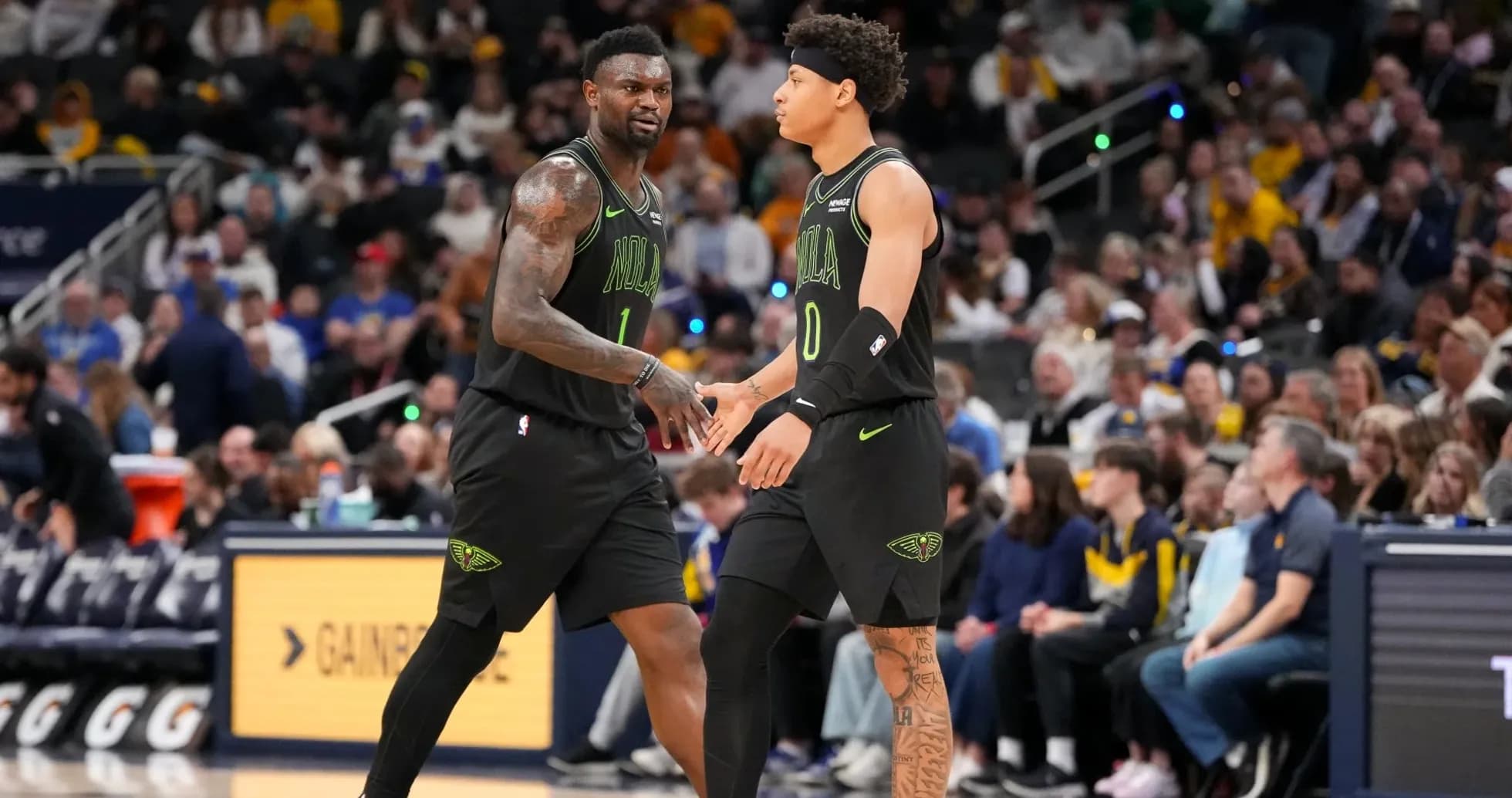
Trey Murphy’s shooting and versatility remain essential. Zion Williamson’s health still hovers over everything like a storm cloud. Dejounte Murray, now flanked by Mathurin on the perimeter, carries the responsibility of closing games and stabilizing the offense. If the Pelicans stumble early and the internal growth stalls, Murray’s name will be one of the loudest at the trade deadline.
This isn’t a soft reset. It’s a demand. The young core has to level up, or the roster will.
Herbert Jones at the Crossroads
No player embodies the stakes of this season more than Herbert Jones.
A few years back, Jones looked like the prototype of the modern wing stopper. Long, rangy, instinctive, able to switch across lineups and smother scorers who were either bigger or quicker. He turned that impact into a 2024 First Team All-Defense nod and became a pillar of the Pelicans’ brief defensive rise.
Then the climb stalled. The impact dulled. The regression was subtle at first, then hard to ignore.
At 28, Jones sits squarely in his prime. This is the season that will define his value — either as a long-term piece in New Orleans or as one of the most intriguing defensive names on the trade market.
Two areas will decide it. From deep, his 3-point shooting has sagged to 31% over the last two years, a number that clogs spacing and limits how often he can stay on the floor late in games. At the same time, he has slipped out of the conversation for the league’s very best defenders. If he can rediscover that disruptive edge while nudging the jumper back to league-average respectability, the Pelicans’ ceiling rises instantly.
If he can’t, the front office will have hard decisions to make.
A Paint-Heavy Team With a Finishing Problem
The numbers tell a strange story.
New Orleans led the league last season in the share of their shots taken in the paint — 58% of all attempts came at the rim or in close. That’s an identity. That’s Zion. Williamson alone ranked third in the NBA with 791 field-goal attempts in the paint.
He did his part. Zion finished 60.3% of those looks, better than the league average of 57.8% and his best mark in three years. When he got there, he converted.
The rest of the roster? Not so much.
As a team, the Pelicans shot just 55.4% in the paint, the second-worst mark in the league. Three of their players — Jones, Micah Peavy and Jordan Poole — landed among the 41 players who took at least 100 attempts in the paint and still shot under 50%. For a group that lives at the rim, that kind of inefficiency is brutal.
Mathurin’s arrival doesn’t completely solve that. He’s a career 51.5% finisher in the paint, solid but not elite. His real value comes from what happens when he doesn’t finish: he draws fouls, gets to the line, and nudges the team’s overall efficiency upward. For a paint-heavy offense that wastes too many close looks, that whistle-friendly aggression matters.
The Pelicans don’t need to reinvent their shot profile. They just need to be sharper at the thing they already do most.
Must-See Nights on the Calendar
The regular season will offer early checkpoints on whether this quiet bet on internal growth is paying off.
On Oct. 21, the opener against the Pacers arrives with subplots everywhere. It’s the first real look at Jamahl Mosley’s Pelicans, the first test of their direction, and Mathurin’s reunion with his old team. Dejounte Murray against Tyrese Haliburton in the backcourt should crackle.
Nov. 6 brings the Timberwolves to town and with them a familiar comparison. Zion Williamson and Anthony Edwards went first overall in their respective drafts but have walked very different paths since. Edwards has surged into superstardom. Zion is still fighting his body and the narrative around him. Can he finally stay healthy long enough to chase the same trajectory?
Two weeks later, on Nov. 18, a three-game stretch against the Pistons, Thunder and Spurs offers an early measuring stick. Those are young, ambitious teams on their own timelines. New Orleans will find out quickly whether it belongs in that rising pack or is still searching for its footing.
On Nov. 29, Ja Morant and the Trail Blazers arrive, and with them another ghost of the 2019 Draft. Zion and Ja went 1-2 and both are still trying to reset careers that were supposed to define the decade. The stakes may not be playoff-level in November, but the symbolism will be hard to ignore.
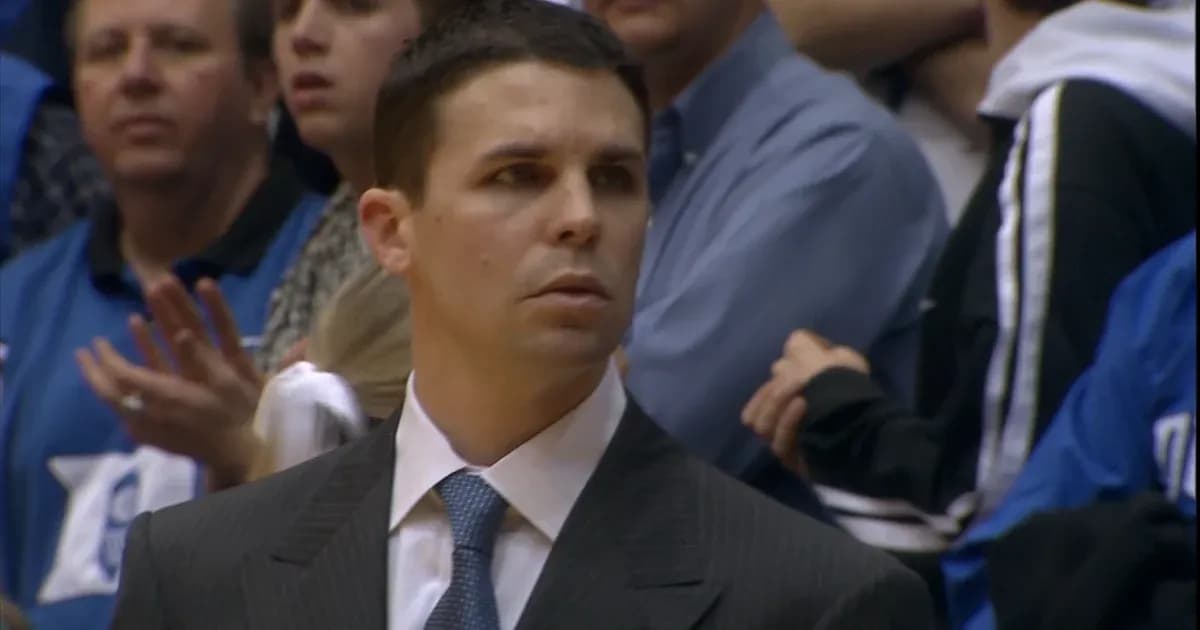
Then Feb. 2 circles back to the man now steering the ship. Mosley returns to Orlando, where he took the Magic to the playoffs three straight years and built a rugged, defensive-minded group around Franz Wagner and Paolo Banchero. It will be a clear comparison: what he left behind, and what he’s trying to build in New Orleans.
Mosley, Dumars and a Culture on Trial
Everything, eventually, comes back to Jamahl Mosley and Joe Dumars.
Dumars hired Mosley to bring direction and discipline to a young roster that has drifted for two seasons, especially on the defensive end. In Orlando, Mosley carved out an identity: physical, connected, competitive. His Magic consistently ranked among the league’s better defensive units and played with an edge that outstripped their experience.
New Orleans has been the opposite. Bottom-10 defense the last two years. Inconsistent effort. Too many possessions where talent had to bail out structure.
Mosley inherits that mess and the mandate to fix it. If he connects with Fears, Queen, Zion, Murphy, Jones, and the rest of the core, Dumars can shift his attention from culture repair to talent acquisition — finding the right pieces to complement a nucleus that finally knows who it is.
If he doesn’t, this quiet offseason will start to look less like a calculated bet and more like a missed opportunity.
The Pelicans have chosen continuity. Now they have to prove it was worth keeping.