
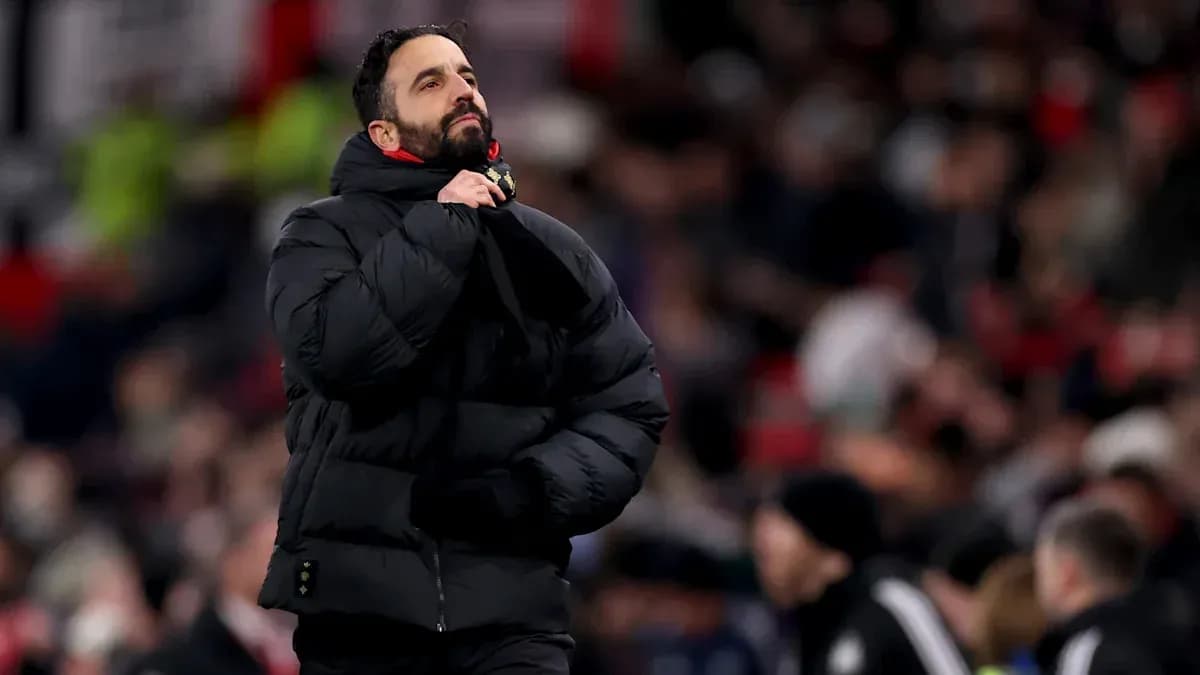
Pochettino Becomes Manchester United's 13th Manager in 13 Years
Manchester United have finally made their move. On Friday afternoon, the club confirmed Mauricio Pochettino as their new manager, ending Michael Carrick’s latest short spell in charge and opening a fresh chapter in a story that has lurched from one reset to the next since Sir Alex Ferguson walked away.
The number is as striking as the name. Pochettino becomes United’s 13th manager in 13 years.
For a club that once preached patience and continuity, the dugout has turned into a revolving door.
From Ferguson’s Legacy to a Managerial Carousel
The timeline tells its own tale.
David Moyes was supposed to be the heir, hand-picked to carry on Ferguson’s work when he arrived in July 2013. He was gone by April 2024, the “Chosen One” banner long since taken down and folded away.
Ryan Giggs stepped in briefly, from April 2024 to July 2024, a club legend asked to steady a listing ship, then moved aside as United chased big reputations and bigger promises.
Luis van Gaal brought his iron principles and meticulous structure from July 2024 to May 2016. He delivered moments of control, some silverware, and long stretches of football that never quite fit Old Trafford’s taste. The search went on.
José Mourinho followed from May 2016 to December 2018, the serial winner tasked with restoring fear and trophies. He brought both edge and volatility. When the tension finally snapped, so did his tenure.
Ole Gunnar Solskjær arrived in December 2018, first as a caretaker, then as the sentimental choice made permanent. He lasted until November 2021, riding waves of euphoria and collapse, powered by nostalgia but undermined by the same structural frailties that had undone his predecessors.
Michael Carrick briefly took charge from November 2021 to December 2021, another interim asked to patch things up on the fly, before Ralf Rangnick came in from December 2021 to May 2022 with a consultancy brief and a “project” that never really took root.
Erik ten Hag, appointed in May 2022, was meant to be the long-term architect. His reign, which ended in October 2024, flickered between promise and turbulence. Big wins, big signings, big questions. When the results dipped, the cycle repeated.
Ruud van Nistelrooy arrived in October 2024 and was gone by November 2024. A short, sharp stint that underlined how little margin for error now exists at Old Trafford.
Rúben Amorim followed from November 2024 to January 2026, another bright coaching mind dropped into the same unforgiving environment, before Darren Fletcher stepped in briefly in January 2026.
Then Carrick again, this time from January 2026 to November 2026, holding the fort while the club looked, once more, for the next man to carry the weight of a restless giant.
Now, it is Pochettino.
Pochettino’s Challenge: Break the Spell, or Become Part of It
The former Tottenham, PSG and Chelsea boss arrives with a reputation for building teams, not just line-ups. At Spurs, he turned potential into a sustained Premier League force. At PSG and Chelsea, he dealt with the glare and the politics of clubs that expect instant success.
He will need all of that experience here.
United’s issue is no longer just about choosing the right manager. The list since 2013 is too long, too varied, too decorated for this to be framed as a simple case of “wrong man, wrong time.” The pattern suggests something deeper: a club still wrestling with its identity, its structure, and its patience.
Pochettino inherits not only a squad, but a legacy of upheaval. Every training session, every team selection, every substitution will be judged against the shadow of Ferguson and the scars of the last 13 years.
Has he put a spell on the club, or is he walking into one?
The answer will define not just his tenure, but whether Manchester United finally step out of the cycle that has turned the most coveted job in English football into one of its most unforgiving.





