Portland Fire's Inaugural Season: Building Relevance Beyond Playoffs
The Portland Fire didn’t crash the playoff party in their inaugural season. They did something harder. They made people care.
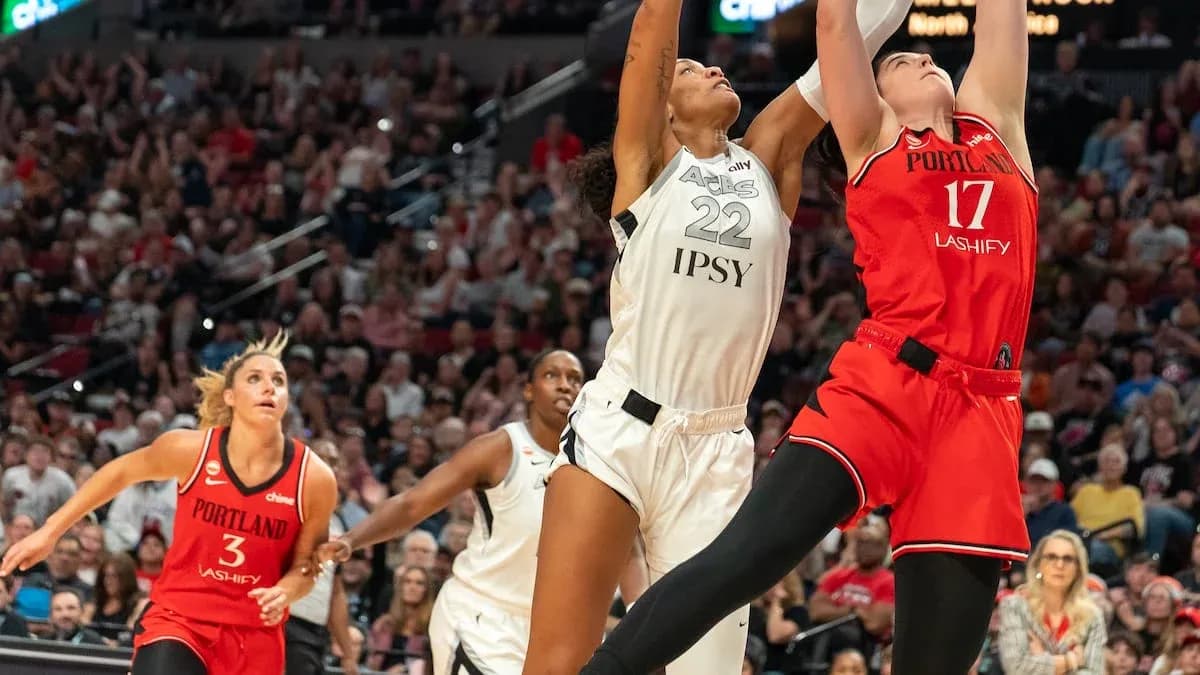
In a league still fighting for visibility, the rekindled franchise finished fourth in attendance, drawing more than 14,500 fans per game to the Moda Center. That’s not a fluke. It’s Portland. It’s a city that fills stadiums for women’s sports, that treats a regular-season home date in June with the same reverence other markets reserve for a conference final.
They called the building “The Fire Pit.” It fit. On game nights the Moda Center felt less like a test market and more like a declaration that the team belonged.
At the heart of it all stood center Megan DiLeo, known to many from earlier stops as Megan Gustafson. Her words cut straight to the identity of this group. She described the roster as “a bunch of overlooked players,” a collection of athletes who had heard no too often and for too long. DiLeo admitted she had never truly felt respected as an athlete until she landed in the Rose City.
That’s the power of a crowd that shows up even when the standings say they don’t have to.
Wins and losses came and went, as they do for any expansion side trying to find its footing. What didn’t waver was the mood inside The Fire Pit. Whether the team was chasing a comeback or nursing a lead, every home game carried the same undercurrent: good vibes, loud backing, a sense that something new and worth protecting had arrived.
To unpack what this first season meant, two people steeped in the women’s game have been watching closely. OPB business reporter Kyra Buckley, a lifelong fan of women’s basketball, has tracked the numbers and the narrative: the ticket sales, the buzz, the way a city’s economy and culture bend around a new team. On the other side of town, Rev Shines, host of “Today’s Good News” on KMHD and another die-hard supporter of the women’s game, has focused on the feeling — the joy, the noise, the connection between players and fans.
Together, they see a club that may have missed the postseason but nailed something more enduring: relevance. The Fire’s first year ends without a playoff run, but with a fan base already acting like this is a long-term relationship.
The question now isn’t whether Portland will keep turning up for this team.
It’s how far a “bunch of overlooked players” can go when an entire city has their back.