Is Possession Football Losing Its Grip in the Premier League?
In the early 2000s, Premier League teams aimed to shrink the playing field defensively, limiting space for attackers to operate. This encouraged quick attacks into open areas where fewer defenders awaited. Pep Guardiola's Manchester City revolutionized this approach over the last decade by pushing opponents into tight defensive shapes that were harder to break down.
Guardiola’s teams often left large spaces behind their defense near the halfway line but focused on keeping the ball close to the opponent's goal. After all, possession means the other side can’t score.
Possession stats dropping in 2026
This season, teams holding 60% or more possession have won only 36.4% of matches through the first 50 games, a sharp decline from 53.5% last year. Does this mean possession football is fading? The answer isn’t clear-cut. Are teams winning because they hold less possession or because they sit back after an early lead? Both might be true.
Chelsea’s contrasting performances with and without the ball
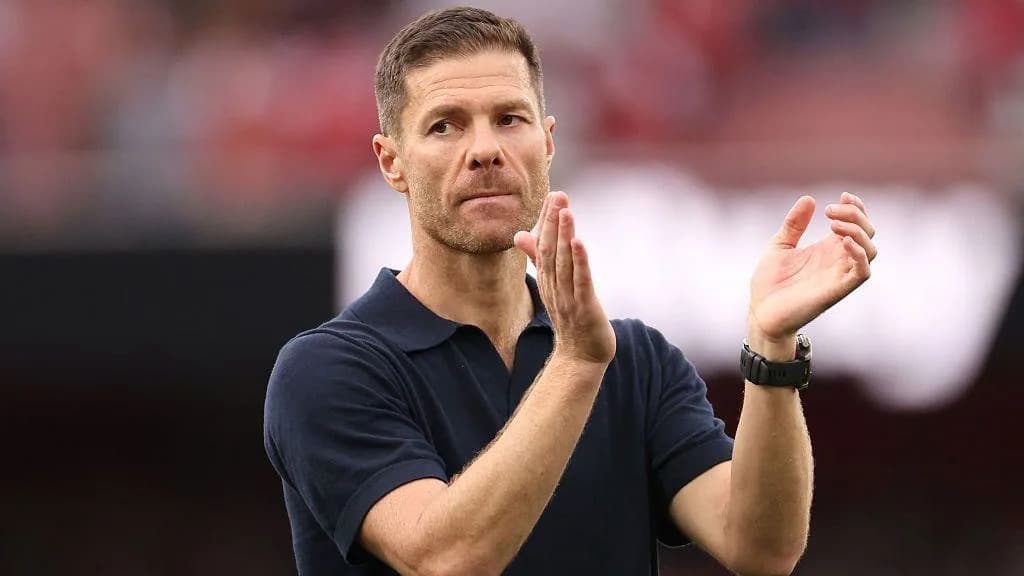
Xabi Alonso's Chelsea offers an example. They won their first two games against Fulham and Brighton despite having less possession, then drew and lost when dominating the ball. Against Brighton, Chelsea had only 25.6% possession and 146 successful passes—lowest since records began in 2003-04—but still scored four goals.
Their goals came largely from quick counters and throw-ins that caught Brighton’s possession-heavy style off guard. Chelsea’s players like Joao Pedro, Cole Palmer, Pedro Neto, and Morgan Rogers thrive on transition football, making low-possession games advantageous.
Expectations clash with tactics at big clubs
Counter-attacking carries a stigma, often seen as a strategy for underdogs like Hull rather than big teams expected to control games. This gap between player strengths and tactical demands may explain some dropped points. Manchester United, for example, earned 1.5 points per game with over 50% possession but 2.6 points with less.
Clubs like Brentford, Leeds, and Hull build squads designed to concede possession, relying on solid defending, quick counter-attacks, and set-piece threats. Their strategies align better with their players’ qualities, allowing them to compete despite smaller budgets.
How tactics and player roles shape possession
Man-to-man pressure has increased, making it harder to build play from the back. Teams respond by playing long balls over the press or quickly driving the ball forward, favoring physically strong athletes over those skilled in tight spaces. This challenges teams that rely on intricate passing to break down compact defenses.
To dominate now, teams need players capable both in tight spaces and in open field. Opponents also defend man-to-man closer to goal, forcing attackers into one-on-one battles that demand high individual skill. Some teams lack these problem solvers.
Match situations affect possession numbers
Possession averages hide how teams change tactics based on scorelines. Chelsea scored within seven minutes in their first four league matches. After taking the lead, they dropped deeper to defend and attack on counters, reducing possession. Their averages: 51.4% when level, 34.5% when ahead, and 67.2% when behind.
Interestingly, protecting leads let Chelsea’s attackers exploit space better. When chasing goals, they had more possession but struggled against packed defenses.
Arsenal demonstrate balance with players like Bukayo Saka and Max Dowman excelling in dribbling, and Martin Odegaard, Bruno Guimaraes, and others offering precise passing to unlock defenses. Their set-piece strength also helps secure leads.
Arsenal’s possession dips slightly from 60.4% to 56.6% when ahead, signaling intent to control the game differently. Defenders such as Gabriel, Ezri Konsa, Jurrien Timber, and Declan Rice provide solidity with less ball control.
Manchester City maintain 64.9% possession even when leading, relying on technical quality to keep opponents away from their goal—a style inherited by coach Enzo Maresca from Guardiola.
Winning means shaping the game on your terms
"If you are brave, they have to play a game that is not [the opponent’s] preferred game," said Liverpool boss Andoni Iraola in 2025, recalling his time managing Bournemouth, a team known for winning with less possession.
Fewer Premier League teams now have the right players or tactics to break down well-organized defenses. Advantages tend to come from exploiting large spaces. Bridging the gap between thriving without the ball and dominating with it will take time, but top coaches rarely get that luxury.