Protect College Sports Act: A Major Step in Reshaping College Athletics
The battle over the future of college sports left the courts and stormed into the U.S. Senate on Tuesday, where lawmakers took a major step toward reshaping the rules that govern the multibillion‑dollar enterprise.
By a 74–24 vote, senators advanced the Protect College Sports Act, an NCAA-backed, bipartisan bill that would impose a federal framework on a system increasingly defined by chaos, conflicting state laws, and courtroom showdowns. The measure cleared the 60-vote threshold with room to spare, but its ultimate fate remains uncertain: a final Senate vote has not been scheduled, and the bill would still have to survive the House.
For now, though, the NCAA has rarely been closer to getting what it has long wanted from Washington — a national standard and a legal shield.
A sport remade by courts, not commissioners
College sports have been remapped at breakneck speed. Long-standing rules on eligibility, transfers, and compensation have been picked apart by state legislatures and judges, leaving the NCAA scrambling to keep pace.
Temporary injunctions and landmark rulings have torn down barriers that once defined the college model. Players can now move from school to school with unprecedented freedom. They can be paid directly by their universities. What used to be ironclad bylaws have become suggestions, vulnerable to the next court filing.
The Protect College Sports Act is designed as a hard reset.
It would set a single national standard on key issues: how many years an athlete can compete, how frequently they can transfer, and how they can be compensated. Instead of a patchwork of state rules and emergency NCAA adjustments, the bill promises one rulebook for everyone.
At its core sits a powerful prize for the NCAA: an antitrust exemption.
The legislation would insulate the association from future antitrust challenges over these rules, granting a level of legal protection more commonly associated with professional leagues such as the NFL and NBA. Those leagues, though, bargain their rules with players’ unions. College athletes have no such formal collective bargaining structure, a gap that fuels some of the fiercest opposition to the bill.
Cruz, Cantwell and the NCAA’s biggest swing yet
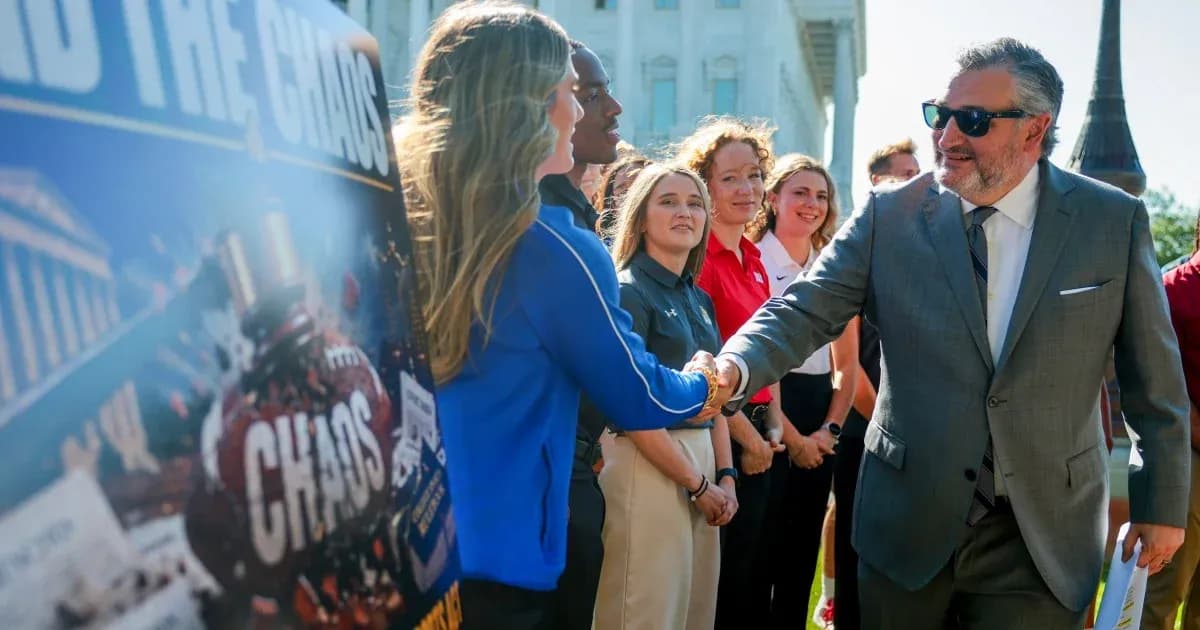
The bill carries the names of two senators rarely aligned on much of anything: Sen. Ted Cruz, R-Texas, and Sen. Maria Cantwell, D-Wash. That partnership, and Tuesday’s lopsided procedural vote, underline how much concern there is in Washington about the direction of college sports.
The NCAA has been pushing for this moment for years, lobbying for a sweeping federal law as state rulings and legal settlements have rewritten the economics of football and men’s and women’s basketball in particular. The association wants clarity, control, and protection. This bill offers all three.
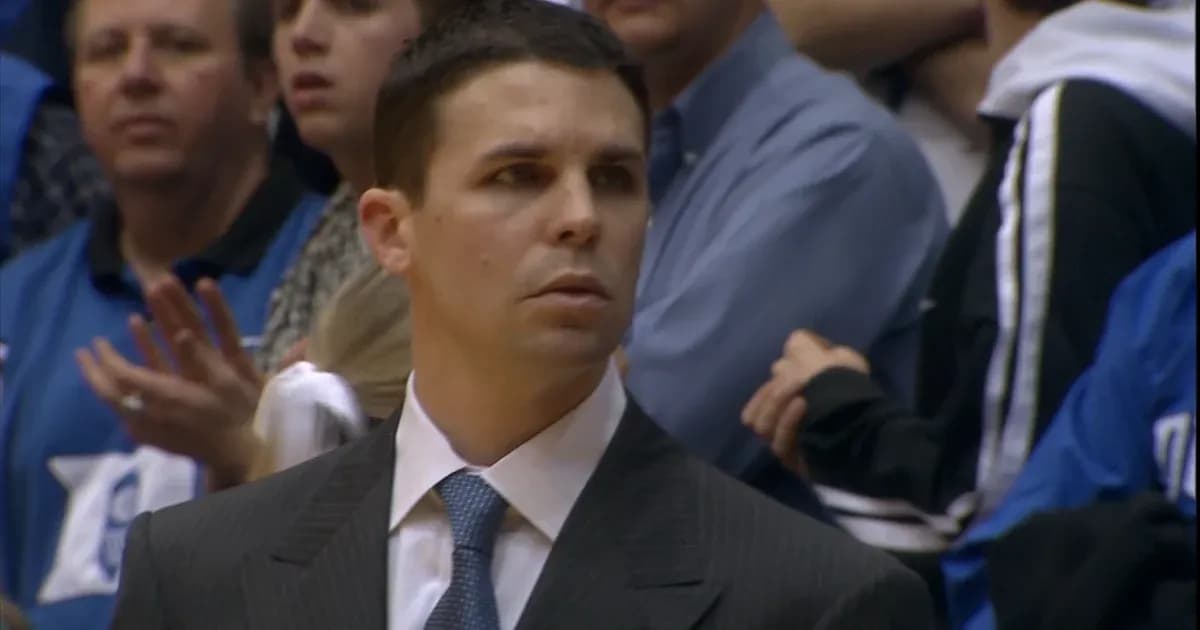
Supporters have lined up to say so publicly. Gonzaga men’s basketball coach Mark Few stood alongside Cruz and Cantwell on Monday and gave the proposal his backing.
“This bill might not be perfect, but it’s far, far away the best thing we got out there right now,” Few said, capturing the mood of many in the college coaching ranks who see the current environment as unsustainable.
A fierce backlash: “Illegally collude”
The pushback has been just as loud.
The Congressional Black Caucus and the NAACP have come out against the bill, warning that a federal shield for the NCAA could lock in a system that has long disproportionately benefited schools, coaches, and executives over the athletes who generate the money.
One of the sharpest critics has been Sen. Chris Murphy, D-Conn., who has repeatedly challenged the NCAA’s model and the idea of cutting off future legal avenues for players.
“This bill protects the billions of dollars that coaches and sports industry executives are making over the suppression of compensation for some of the most highly valued athletes in the world,” Murphy told reporters Monday. “What we’re being asked to do is to basically allow colleges and conferences and the NCAA to illegally collude.”
For Murphy and other opponents, the stakes go beyond roster rules and transfer windows. They see a chance, through the courts, to force something closer to a professional-style revenue model for athletes. Granting an antitrust exemption, in their view, slams that door shut.
The fight goes prime time
The clash hasn’t stayed inside committee rooms.
Cruz recently took his case directly to fans on ESPN’s “College GameDay,” using one of the sport’s most visible stages to argue that the bill is needed to stabilize college athletics and preserve competitive balance. It was a clear sign of how politically charged and publicly visible the issue has become.
Murphy answered on a different platform, laying out his rebuttal on Stephen A. Smith’s “Straight Shooter” podcast, framing the bill as a protection racket for entrenched interests at the expense of athletes’ earning power.
Both sides know the audience is no longer just lawyers and lobbyists. It’s players, parents, coaches, and fans trying to understand what college sports will look like five years from now.
A turning point, with no guarantee
Tuesday’s vote does not settle that question. It simply moves the Protect College Sports Act to the next stage, where amendments, political pressure, and shifting alliances will all come into play.
But the direction is clear. After years of watching judges and state lawmakers redraw the landscape, the Senate has stepped onto the field, ready to call its own plays.
Whether that ends with a new federal rulebook or another round of legal and political stalemate will decide not just how athletes transfer or how long they can play, but who truly holds power in the next era of college sports.