PSV Eindhoven vs Shakhtar Donetsk: Van Bommel's Frustration in UEFA Opener
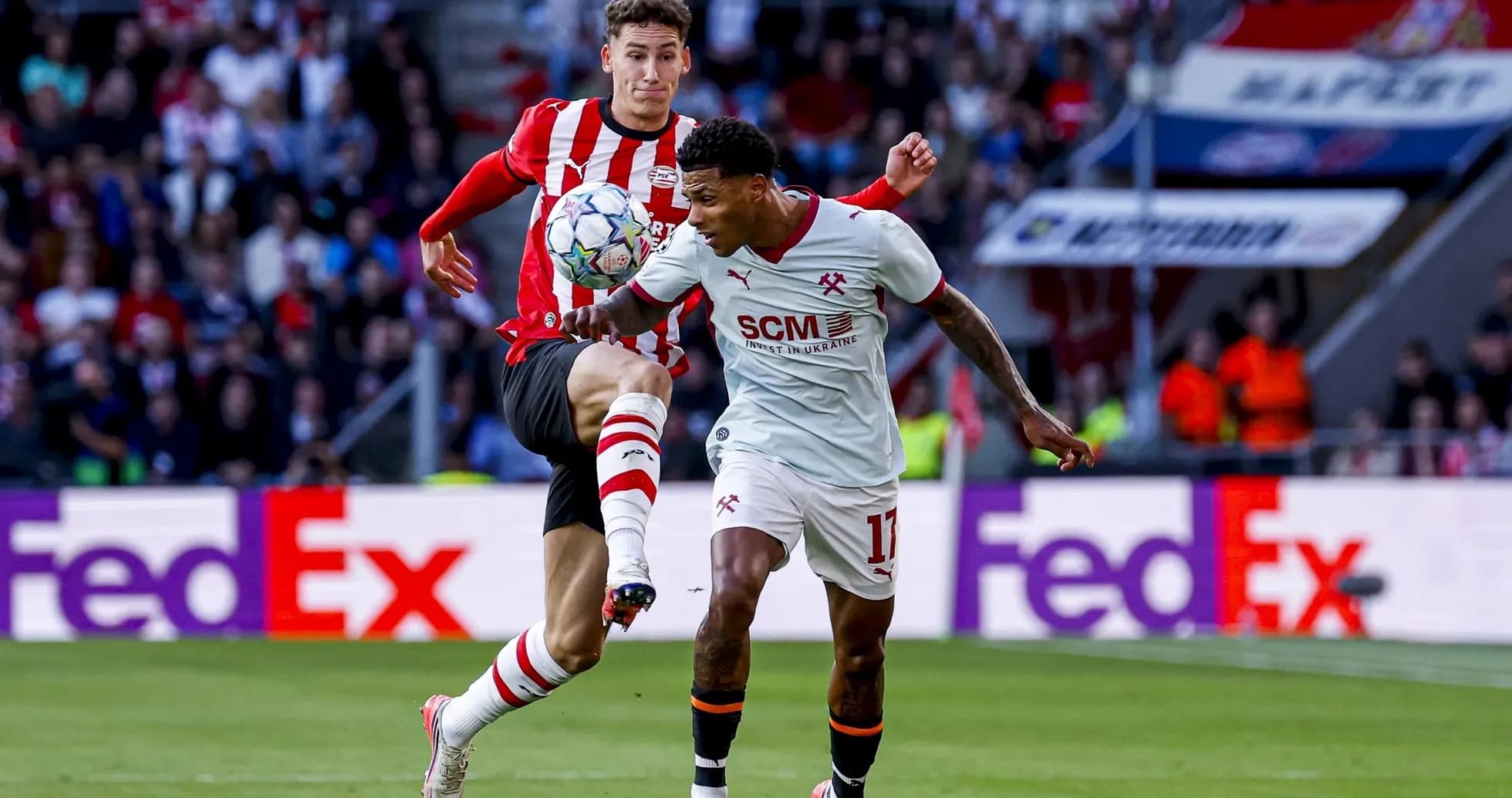
PSV Eindhoven walked off the Philips Stadion pitch with applause in their ears and frustration in their faces. A 1-1 draw against Shakhtar Donetsk to open their UEFA Champions League league phase was not what they had in mind, especially on a night when Ruben van Bommel looked capable of tearing the game open on his own.
Shakhtar, coached by Arda Turan, absorbed pressure for long stretches and then struck at the cruelest possible moment. Deep into first-half stoppage time, Gleiker Mendoza silenced the home crowd, punishing PSV with a sharp finish that underlined the Ukrainian side’s technical edge in the opening spell.
For much of that first half, PSV chased shadows. Shakhtar’s midfield moved the ball cleanly, confidently, and PSV never quite found the ferocious tempo that had ripped Ajax apart in their recent 3-1 domestic win. The rhythm that defined that Eredivisie performance stayed locked in the dressing room.
Second Half
After the break, the tone changed.
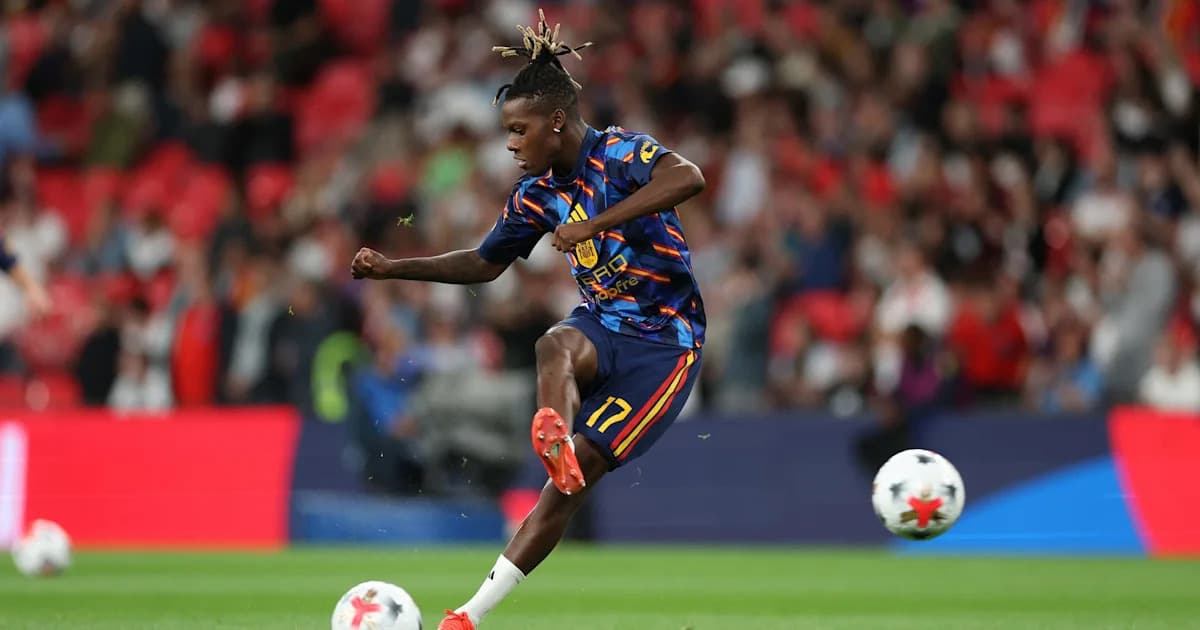
PSV came out with purpose, lines pushed higher, passes zipped rather than rolled. Van Bommel, already lively before the interval, suddenly looked electric. He drove at defenders, drifted between the lines, and dragged Shakhtar’s back line into uncomfortable areas. The pressure finally told when Sergiño Dest stepped up with the equaliser, a deserved reward for a spell in which the Dutch champions pinned Shakhtar back.
At 1-1, the stadium expected the winner. Van Bommel almost supplied it.
In the most vivid moment of PSV’s second-half dominance, the winger carved out space and let fly with a dangerous effort that skimmed agonisingly wide. It felt like the kind of chance that defines European nights: inches from euphoria, inches from regret.
The regret won.
Shakhtar weathered the storm, tightened up, and PSV’s late flurries never quite carried the precision to match their intent. When the final whistle went, the result felt like two points dropped rather than one gained.
Van Bommel did not hide from that feeling. Speaking afterwards, he admitted the dressing room mood was tinged with disappointment, especially after such a laboured start against Shakhtar’s technical quality.
“Ultimately, we leave the pitch with the feeling that we could have taken three points,” he said, summing up the sense of a missed opportunity.
He pointed to the contrast with the Ajax win, conceding that PSV failed to hit that same high-speed, high-tempo football for long enough stretches.
For him personally, the night cut both ways. Constantly dangerous, constantly involved, yet no goal to show for it.
“Threat is nice, but I'm lacking in return right now,” he admitted, acknowledging the frustration of influence without end product.
Still, he kept one eye on the bigger picture: “You're disappointed, but the reality is that you still have seven matches left.”
Those seven games will define PSV’s European campaign, but Van Bommel’s week has been shaped by more than just football.
The post-match conversation inevitably turned to the heavy backlash he faced after his high-speed aerial clash with Aaron Bouwman in the win over Ajax. The collision left the young defender in hospital with bruised lungs and chest bones and sparked a fierce debate over the winger’s challenge and intent.
Van Bommel did not attempt to dodge responsibility.
“It was my fault and I regret that,” he said, making his remorse clear while stressing his relief that Bouwman is recovering: “I am glad that Aaron is doing relatively well.”
Then came a pointed message beyond the pitch. He called for commentators and fans to show restraint before unleashing judgment online, urging people “to think a bit more carefully before shouting something about players.” It was a reminder that, for all the noise around modern football, those at the centre of it are still human.
On the field, though, the demands remain ruthless. Dropping points at home in Europe always stings, and PSV know that the margin for error shrinks from here. Van Bommel remains convinced this side can sharpen their attacking execution and build momentum, but belief now has to be matched by a more clinical edge.
The squad’s attention swings back to domestic duties before the Champions League returns, yet the stakes are already clear. PSV will need to turn performances like this into wins, and soon, if nights at the Philips Stadion are to sound like celebration rather than what-might-have-been.