Real Madrid's Refereeing Controversy Escalates After Derby
Real Madrid’s war with the whistle has barely let the new season breathe.
Barely a month into the 2026-27 campaign, the club find themselves locked in a familiar, combustible argument with Spain’s refereeing establishment, and this time the flashpoint was the Madrid derby.
A derby that lit the fuse
At the Metropolitano, referee Ortiz Arias stood at the centre of a storm that has not calmed since the final whistle. His decisions carved the night into a sequence of grievances for Real Madrid.
Dean Huijsen saw red. Atletico Madrid’s Cuti Romero and Kang-In Lee did not, despite two incidents that, in the eyes of the visitors, merited dismissal. Then came a handball shout: Marc Pubill inside the Atletico box, arm to ball, no penalty given. Each call tightened the tension. By the end, Real Madrid were not just beaten; they felt wronged.
The anger did not stay on the pitch.
Mourinho turns up the volume
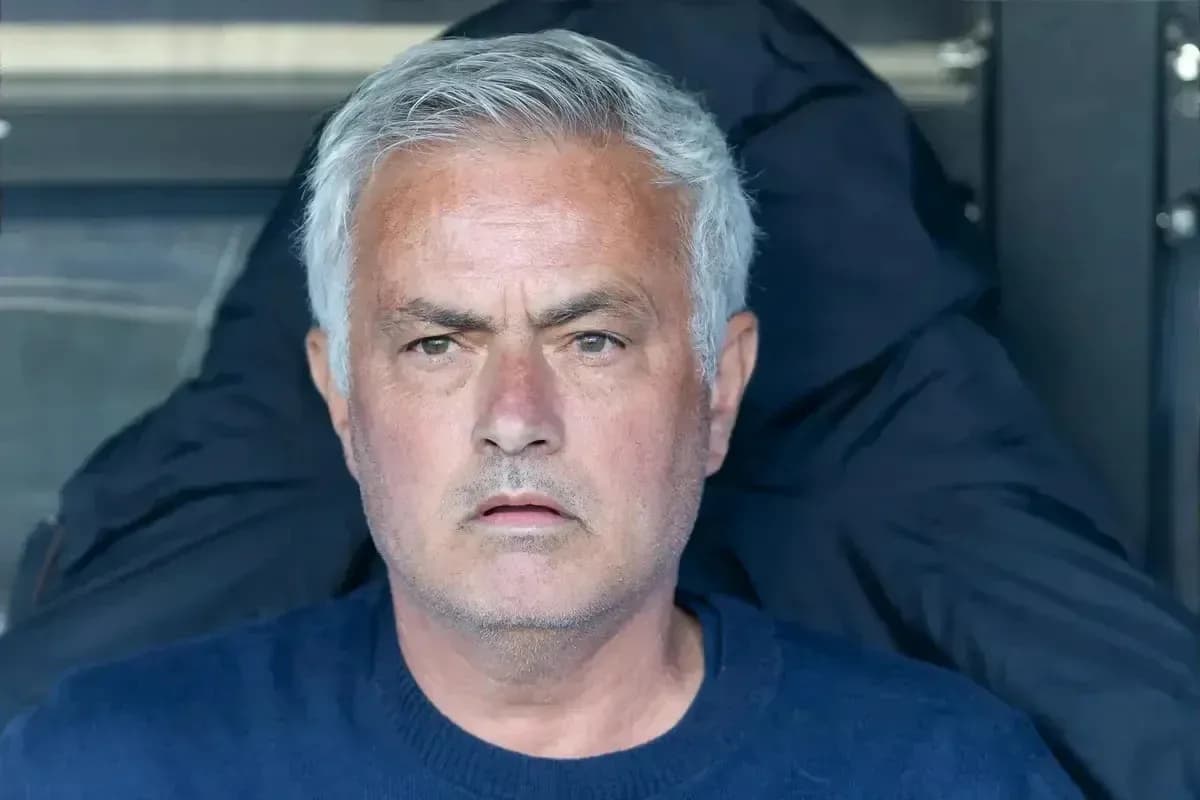
Jose Mourinho took the fight outside the stadium. His criticism of the federation and the match officials was not veiled, not diplomatic, and certainly not quiet. He went hard at the system, the decisions, the people in charge.
That is the backdrop to an annual coaches’ summit that, on paper, should be a forum for calm discussion. Instead, it arrives with Spanish football’s refereeing debate at full boil.
This Tuesday’s meeting brings together coaches from the top two divisions to air concerns, usually about finances and refereeing. It has become a staple of the calendar, a place where the game’s technicians can talk frankly with the authorities.
Not this time for Mourinho.
Empty chair, loud message
As reported by Diario AS, the Real Madrid coach will not attend. He has already communicated his reasons, and his absence is a statement in itself. When the man who has just unleashed a blistering attack on refereeing opts out of the main institutional forum to discuss it, the message is clear: he does not believe in the process.
Traditionally, the room carries weight. Coaches from Real Madrid, FC Barcelona and Atletico Madrid tend to be there. Diego Simeone, in particular, has treated it almost as an obligation; he has rarely missed one of these gatherings.
Now even that constant is in doubt. Simeone’s presence is uncertain due to personal reasons, removing another heavyweight voice from the table. Barcelona’s Hansi Flick, by contrast, will be there, representing one of the other giants at a moment when the temperature around officiating has rarely been higher.
So the meeting goes ahead, but with two of the most influential benches in Spain either unrepresented or potentially absent. The optics are impossible to ignore.
A league on edge
This is no longer just about a derby or a handful of decisions. Real Madrid and the refereeing structure – the CTA, under the umbrella of the RFEF, and operating within La Liga’s framework – find themselves in a very public, very raw confrontation.
When a club of Real Madrid’s stature repeatedly questions refereeing integrity in the opening weeks of a season, the issue spills beyond internal memos and closed-door briefings. It becomes a matter for the entire competition.
The stakes are obvious. La Liga sells itself as one of Europe’s elite championships. With that status comes a non-negotiable demand: trust in the fairness of the competition. If coaches feel unheard, if major clubs openly bristle at officiating and then step away from official dialogue, the cracks become visible to everyone.
Now the burden falls on the authorities. The CTA, the RFEF and La Liga must not only listen, but be seen to listen. They have to address the complaints, clarify criteria, and restore a sense that everyone is playing by the same rules, interpreted in the same way.
Because if this early-season conflict keeps escalating, the argument will move from individual calls to something far more damaging: whether one of Europe’s flagship leagues can still convince its own protagonists that the game is being refereed on level ground.