Real Madrid's Regret Over Rodri Sparks Zubimendi Pursuit
Real Madrid knew what Rodri was. They saw him up close, weighed the cost, and walked away. Now, with their midfield exposed on the biggest stages, that decision hangs over the club like a tactical mistake they can’t correct on the training ground.
The damage was there for all to see against Inter Milan. José Mourinho’s side could not dictate the rhythm. They chased, they countered, they ran. They did not control. Without a true organiser at the level of Barcelona’s Rodri, Madrid’s midfield looked like a collection of powerful pieces with no one to move them into place.
Mourinho has built a team that lives off the break. Quick transitions, vertical runs, and space for Vinícius, Kylian Mbappé and Jude Bellingham to finish in the final third. When it works, it’s devastating. When it doesn’t, the flaws are brutal.
Opponents have started to read it. They press, win the ball back, and turn Madrid’s chaos into their own chances. Thibaut Courtois has been forced into the role of firefighter, covering cracks that trace back to one decision: Real Madrid did not do everything in their power to bring in Rodri when they had the chance.
Instead, the club leaned towards a more attack-minded profile. Bernardo Silva was the preferred option, a player Barcelona ultimately rejected. The choice underlined the direction of travel: creativity and flair over control and structure. The result is a midfield that still leans heavily on Aurélien Tchouaméni, Fede Valverde and Eduardo Camavinga to build the play, even though none of them offers Rodri’s command of tempo or passing range.
So the same problem keeps resurfacing. Constructing attacks from deep, creating clean chances against organised defences, remains an unfinished chapter for Mourinho’s Madrid. Names like Arda Güler or even Trent Alexander-Arnold are floated as possible stopgaps, players who can drop in and help with progression. Useful options, perhaps. But all of them are compromises when held up against what Rodri brings as a specialist controller.
Madrid know that. Which is why the club has already started to move ahead of the winter transfer window. This is the market they see as their chance to finally address the void at the base of midfield. And one name, revisited from the summer, is climbing back to the top of the list: Martín Zubimendi.
The Arsenal midfielder suddenly looks like an opportunity.
In England, predictions about his future are piling up, and the reasoning is straightforward. Zubimendi’s influence at Arsenal has shrunk. He has begun all five of the Gunners’ official matches this season on the bench. For a player signed to be a central figure, that is a clear warning sign.
The clearest message came in the Champions League clash with Napoli at the Diego Armando Maradona Stadium. A game made for a calm, intelligent pivot. Zubimendi spent almost all of it on the sidelines, thrown on for only eight minutes when the contest was already shaped.
This is not a new problem. His struggle for minutes stretches back to the end of last season. In the Champions League final against Paris Saint-Germain, he watched the regulation 90 minutes from the bench and only came on in extra time. When called, he delivered. When decisions were made, Mikel Arteta still looked elsewhere.
That hierarchy carries a cost. Zubimendi has always responded professionally, but a player of his pedigree, a former Real Sociedad leader, will not ignore the pattern forever. Being repeatedly overlooked in his own position can start to wear on any footballer’s morale.
Real Madrid have been tracking that situation closely. Inside the club, they rate Zubimendi highly, and his performances for Spain have only strengthened that view. When Rodri suffered a serious injury, it was Zubimendi who stepped in to run the national team’s midfield. The stage did not faze him.
He did more than just fill in. He delivered in the biggest moments: the second half of the Euro 2024 final, extra time in the 2026 World Cup final. On nights where details decide trophies, he showed he could anchor a team, read the flow, and keep possession under pressure.
Arsenal paid 70 million euros to bring him in last season and tied him down until 2030. That fee set his level. Any sale now would likely land in a similar range, allowing the London club to recoup their investment. From Madrid’s perspective, that is not a prohibitive figure for a long-term solution in a decisive position.
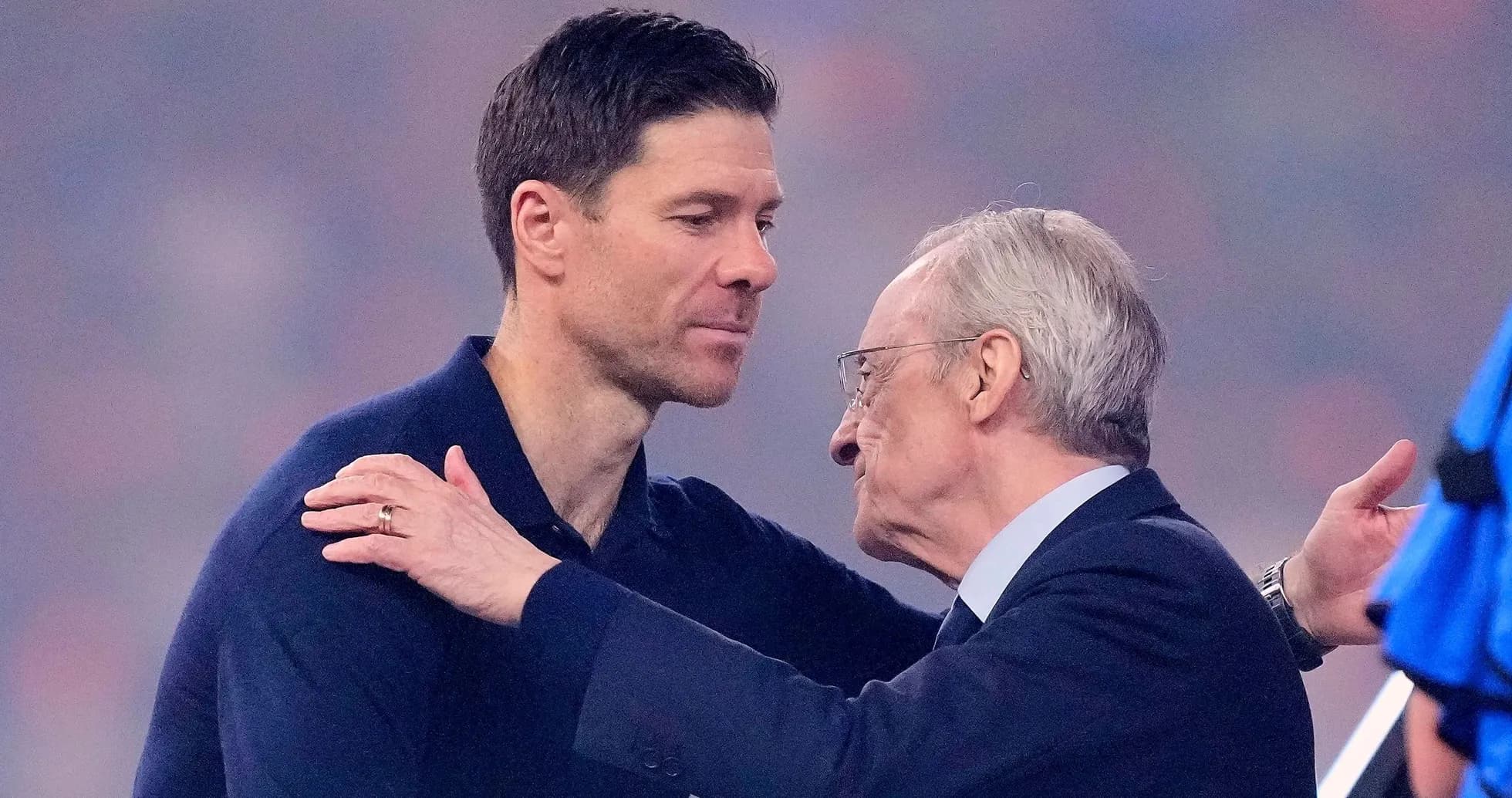
They will not be alone at the table. Zubimendi will have no shortage of suitors. Chelsea are already keen, with Xabi Alonso pushing his name. Alonso wanted him when he was in the frame to take over at Real Madrid, but Florentino Pérez chose a different route.
Now the picture has changed. Madrid are living with the consequences of passing on Rodri, searching again for control in the heart of the pitch. Zubimendi may not be the player they once let slip, but he could be the one who finally closes that wound.