Real Madrid Addresses Spanish Flag Ban Controversy at Bernabéu
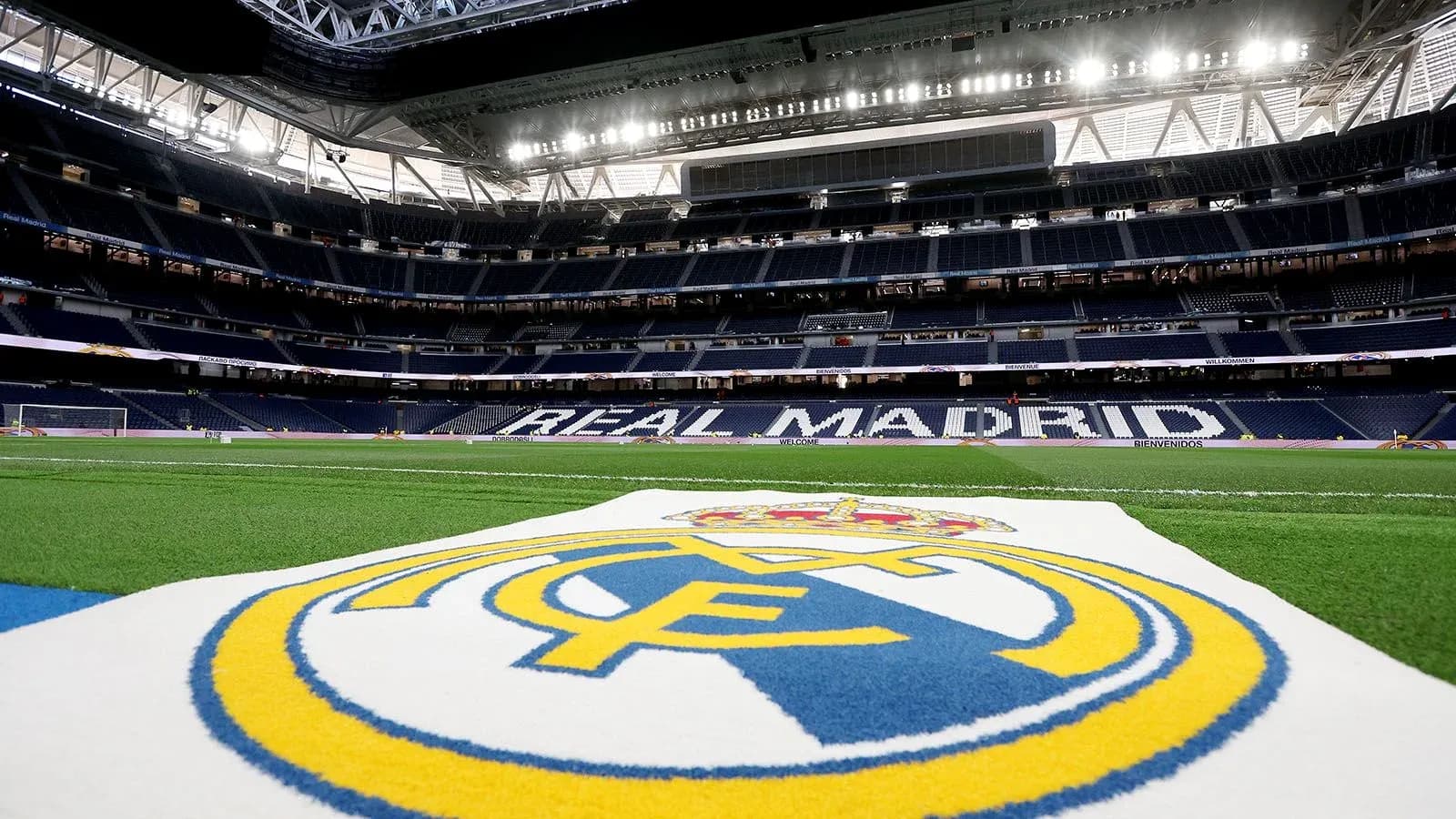
Real Madrid stepped out of the transfer gossip and tactical chatter on Monday night to tackle a very different kind of headline: a supposed ban on Spanish flags at the Santiago Bernabéu.
The club did not tiptoe around it. It went straight for the jugular.
In a sharply worded Comunicado Oficial, Madrid branded the reports “entirely baseless” and insisted there has been no order, formal or informal, to block Spanish flags – or any official regional flags – from entering their stadium.
Club hits back at “misinformation”
Rumours had been gathering pace across social media and creeping into traditional outlets, suggesting that Spanish flags were being turned away at the gates. In the early weeks of a new season, with emotions already running high, the story threatened to open an unnecessary rift between the club and its own supporters.
The hierarchy at the Bernabéu decided they had seen enough.
Real Madrid stated it is “categorically false” that the club has issued instructions to prohibit Spanish flags or those from any autonomous community or city from entering the ground. That clarification was deliberately broad: national colours, regional banners, city flags – all of them, the club stressed, remain welcome as long as they are official.
The message was not just about logistics. It was about identity. Madrid underlined its role as a standard-bearer of Spanish sport and made it clear that expressions of regional and national pride are part of the matchday fabric they want to protect, not restrict.
Security checks, not symbolism
The club also moved to explain how stadium controls actually work. Security procedures at the Bernabéu, they said, are not dreamed up in a boardroom and imposed on a whim. They follow national legislation that governs public spectacles and sporting events across Spain.
In other words, the checks at the turnstiles are about safety, not politics.
Real Madrid stressed that its regulations “adhere to the directives of current legislation” and “have always allowed, without any restriction, the entry of all official flags of our country” into the stadium. The statement pointed out that while fans will continue to pass through standard screenings, those inspections do not target national or regional symbols, only compliance with legal and safety criteria.
No “extraordinary” measures are in place, the club insisted. No hidden policy. No quiet clampdown.
Reasserting the Bernabéu’s identity
For a club that trades heavily on its global image and historic aura, the idea that it would be shutting out Spanish flags cut against everything it wants the Bernabéu to represent. That is why the response came swiftly and publicly, across both social channels and the official website.
Madrid reminded supporters that the stadium’s atmosphere – choreographed mosaics, flags draped over railings, colours swirling behind each goal – is central to its identity. The institution wanted to reassure its fanbase that the Bernabéu remains an open, inclusive arena for all Madridistas, whether they arrive wrapped in the national flag or the colours of their autonomous community.
The club’s leadership also made it clear they do not want administrative noise or political speculation hanging over a season in which the team is chasing trophies on multiple fronts. The message was as much a line in the sand as it was a clarification.
Real Madrid have put their name to it. The policy is on record. The flags, they insist, are staying.