
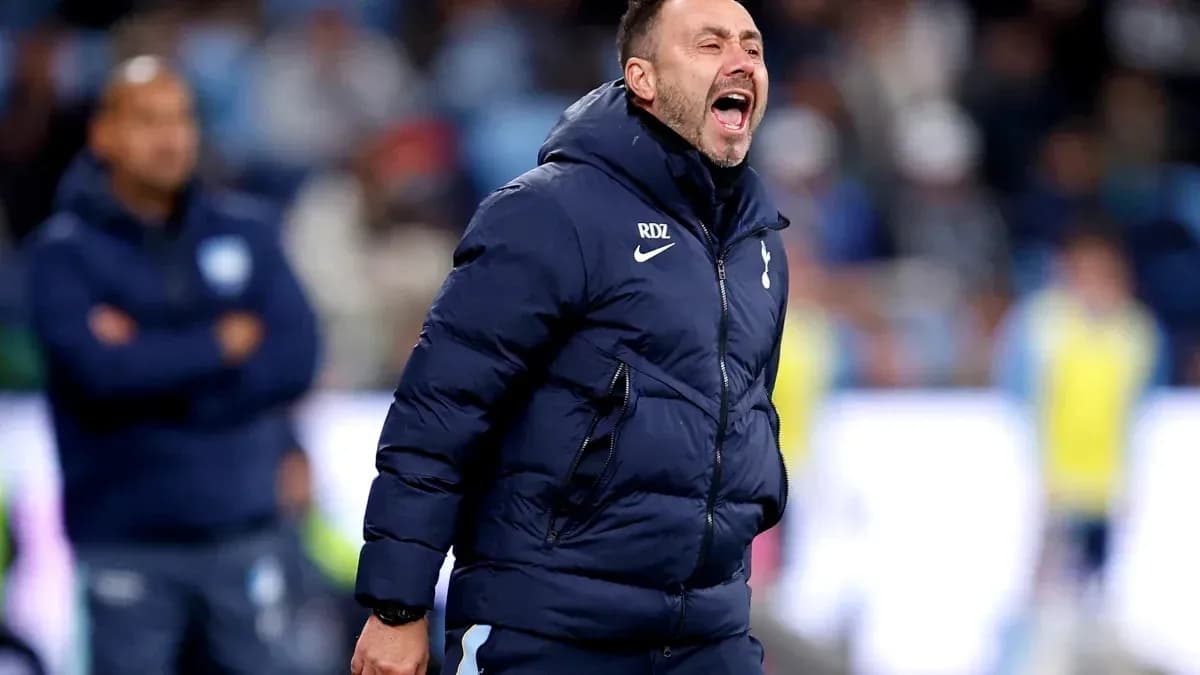
Roberto De Zerbi's Transformation of Tottenham Hotspur
Roberto De Zerbi arrived in north London to inherit a club drifting and a fanbase braced for another anxious season. Six games in, Tottenham Hotspur sat winless, stuck in a joyless loop of three draws, three defeats and mounting questions.
Now he has his first Premier League Manager of the Month award – and a very different kind of noise around him.
From crisis talk to a clean sweep
The early weeks were bleak. Tottenham stumbled through the opening rounds, unable to turn possession into points, their campaign already threatening to unravel before autumn had truly begun. Performances lacked edge, results lacked any kind of consolation. It felt like a long season coming.
Then October arrived – and with it, a shift in tempo.
Coventry City were the first to feel it. Spurs finally found their feet, banking a much-needed win that eased the tension and, more importantly, restored a measure of belief. The victory didn’t fix everything, but it changed the mood. It gave De Zerbi something to build on.
The response gathered speed. A trip to Stamford Bridge, a venue that has so often exposed Tottenham frailties, instead showcased their new resolve. De Zerbi’s side not only beat Chelsea; they controlled them. A 2-0 victory away from home, built on structure, aggression and clarity of purpose, stood out as a statement of intent and, in the coach’s eyes, the benchmark of the season so far.
Crystal Palace then arrived in north London and were dispatched to complete a perfect Premier League month. Three games, three wins, nine points. From winless to relentless in the space of a few weeks.
It was enough to turn De Zerbi from a man under scrutiny into the league’s standout manager for October, officially recognised at Tottenham’s training ground with the Premier League Manager of the Month trophy.
A turning point at Old Trafford
De Zerbi hasn’t tried to rewrite the story of those early struggles. He has been blunt about the shortcomings of the first five league games, about the level not being “good enough” and the need for something more convincing than excuses.
The inflection point, in his mind, came not in October but at Old Trafford earlier in the season.
Facing Manchester United away, Tottenham were reduced to 10 men yet refused to fold. They dug in, they ran, they suffered, and they found a way to leave with something. A 1-1 draw, earned in added time, felt bigger than the single point it delivered.
Italy international Sandro Tonali delivered the cross. Dominik Solanke met it with a decisive header deep into stoppage time. One moment of quality, backed by 90 minutes of stubborn resistance, underlined a different side to this Tottenham team – the “character” De Zerbi has been so keen to foster.
From that night, he insists, the “quality of the play” and the “quality of the performance” changed. The October surge did not come out of nowhere; it was built on that refusal to accept another hard-luck story in Manchester.
A manager sharing the spotlight
The award may carry De Zerbi’s name, but he has been quick to push the credit outwards. He has spoken of gratitude – to his players, to the club, to the wider staff – and framed the recognition as a product of collective effort rather than personal genius.
Behind the scenes, the message is clear: this is only a beginning.
He looks at his squad and sees “great players” and “a great squad” that, in his view, can “improve a lot.” The October run has stabilised the season and quietened the doubts, yet there is no sense from the Italian that this is a finished article or a ceiling reached.
Tottenham have moved from survival talk and early-season anxiety to a position of strength, with a coach whose ideas are finally taking root and a group of players responding to the demands.
The first trophy of De Zerbi’s Premier League life sits on a shelf at the training ground now. The real question is whether it proves a one-off reward for a good month, or the first sign that Tottenham, under their intense Italian, are ready to make a habit of turning fragile spells into defining runs.





