Rodri Chooses Barcelona: Ballon d'Or Winner's Reasons for Leaving City
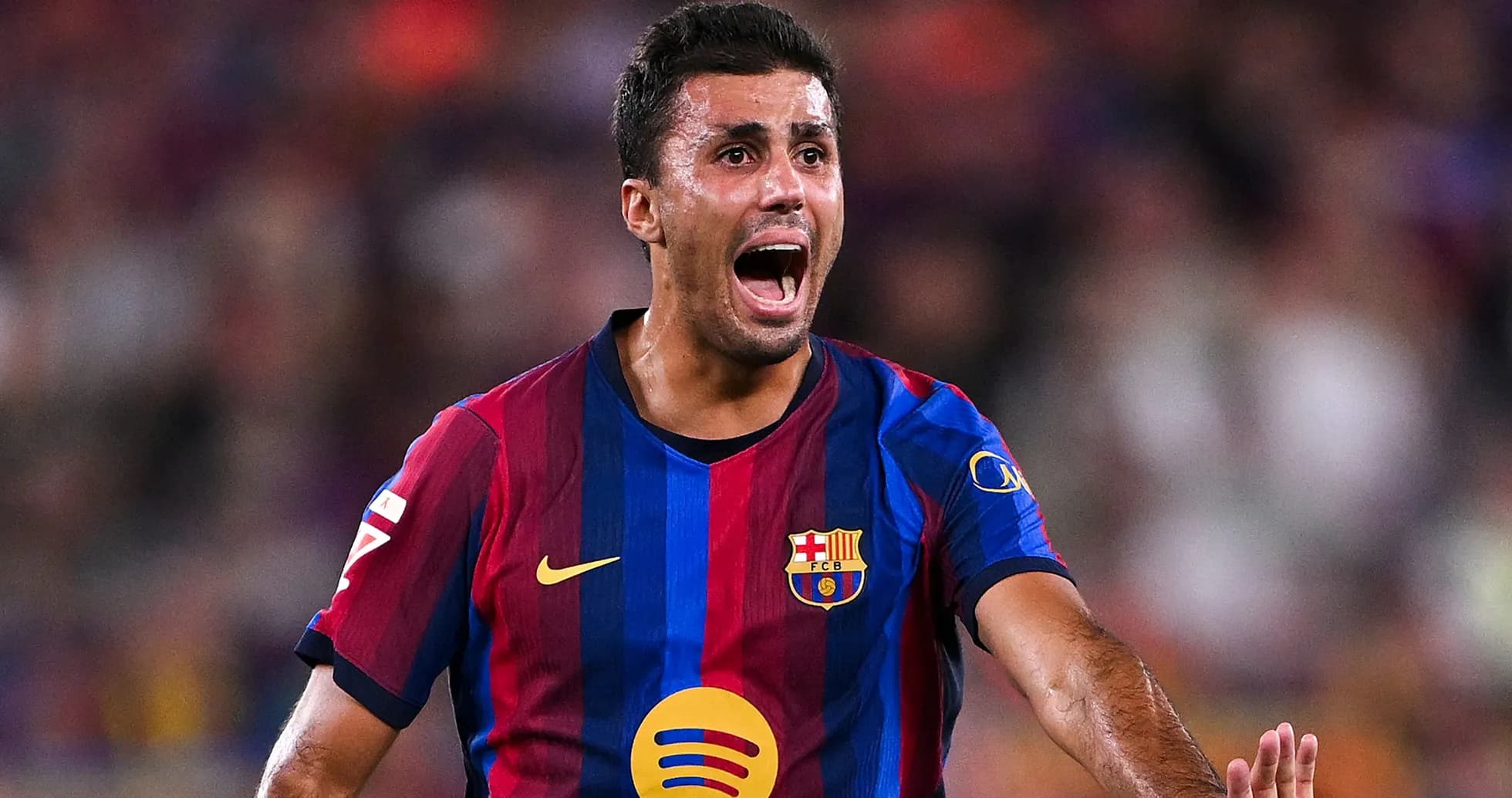
Rodri’s exit from Manchester City was never going to be a quiet transfer. A 30-year-old midfield metronome, fresh from lifting the 2024 Ballon d’Or, walking away from the Pep Guardiola machine and the Premier League to start again in La Liga. To make it even spicier, he turned down Real Madrid to sign for Barcelona.
This was not a move built on noise or numbers, he insists. It was about football.
“It’s been a process, rather than a decision”
Speaking to Mundo Deportivo, Rodri described his departure from City not as a sudden break, but as something that slowly took shape.
“It’s been a process, rather than a decision,” he said. “First, you have to realise that your time there has come to an end and that you might want a new challenge. From there, the moment the opportunity at Barcelona arose, I realised it was the best thing for me for many reasons.”
That realisation opened the door for Barcelona, and they walked straight through it. Hansi Flick’s tactical project and Deco’s sporting blueprint did the rest.
Rodri made it clear: this was not about wages, bonuses or image rights. It was about where his game could grow next, and who he wanted to grow with.
Flick, Deco and a new Barça core
Real Madrid wanted him. Badly. For the European champions, losing a Ballon d’Or-winning Spanish midfielder to their greatest rivals cuts deep. For Rodri, the choice came down to footballing conviction.
“I’ve always based my decisions on sporting considerations – where I believe I’ll be able to win, be happy and, above all, develop as a player,” he explained. “And that’s why I’ve chosen Barca – also because of the generation of players they have and what Hansi is building there. Ultimately, Deco and Hansi, at the top of the organisation, convinced me.”
That “generation of players” matters. Barcelona see Rodri as the anchor around which a new era can be built, the reference point in a dressing room packed with emerging talent. Flick, known for his intensity and structure, and Deco, tasked with reshaping the squad, sold him a clear idea: come here, and you will be central to everything.
The pitch worked.
Saying no to Madrid
Turning down Real Madrid is never simple for a Spanish international, especially one in his prime. Rodri did not pretend otherwise.
“I had to weigh up a lot of things and make such an important decision between two of the best clubs in the world,” he admitted. “In the end, I made my decision based on sporting considerations – on what sparked a bit more enthusiasm in me and on understanding where I could win and develop the most as a player. It wasn’t an easy decision at all; saying no to Madrid wasn’t easy, especially as they treated me exceptionally well.”
This was not a snub born of resentment or drama. Madrid courted him properly. They showed respect. They made their case. Barcelona simply lit something inside him that Madrid could not quite match.
Enthusiasm. Role. Fit. Those were the decisive words.
A “family club” approach
What truly resonated with Rodri was how Barcelona handled the pursuit. No ultimatums. No ticking clock. No pressure.
“At no point did they put any pressure on me whatsoever; everyone expressed their desire to have me on board, to work together, and to see what I could bring to the team,” he said. “It was more about the football itself – what they understood I could bring both on and off the pitch, and I really liked that.”
That tone mattered. For a player who has spent years as the tactical brain of one of the most demanding sides in world football, being treated as a person and a leader, not just a signing, helped tip the balance.
Barcelona sold him on responsibility and trust. Not just a shirt number.
Ballon d’Or storm left to one side
All of this unfolded in the shadow of Real Madrid’s much-discussed boycott of the Ballon d’Or ceremony, where Rodri beat Vinicius to the award. The timing invited speculation: did that sour relationship play any part in his choice?
Rodri dismissed that idea.
“Anyone who knows me knows that I try to distance myself from that sort of thing, like the media hype,” he said. “I focus on football. In that sense, I’m very English, aren’t I? The Premier League is football and little else.”
It was a telling line. Years in England have shaped him: head down, eyes on the pitch, deaf to the circus around it. Awards, boycotts, headlines – they sit in the background. Systems, roles, teammates, coaches – that is where his decisions are made.
So Rodri leaves Manchester City as a champion and a Ballon d’Or winner, turns his back on a gilded route to the Bernabéu, and walks into a Barcelona side desperate to reclaim its place at the summit of Europe.
He has chosen the project, the people and the responsibility. Now comes the only part that ever really matters to him: proving, on the pitch, that he was right.