Romeo Lavia's Rise at Chelsea: Inspired by Eden Hazard
Romeo Lavia stood on the Stamford Bridge pitch on Saturday night with three points in his pocket and one of Chelsea’s greatest ever players waiting for him at the touchline. For a 22-year-old still stitching his career together after a year of frustration, the timing could hardly have been better.
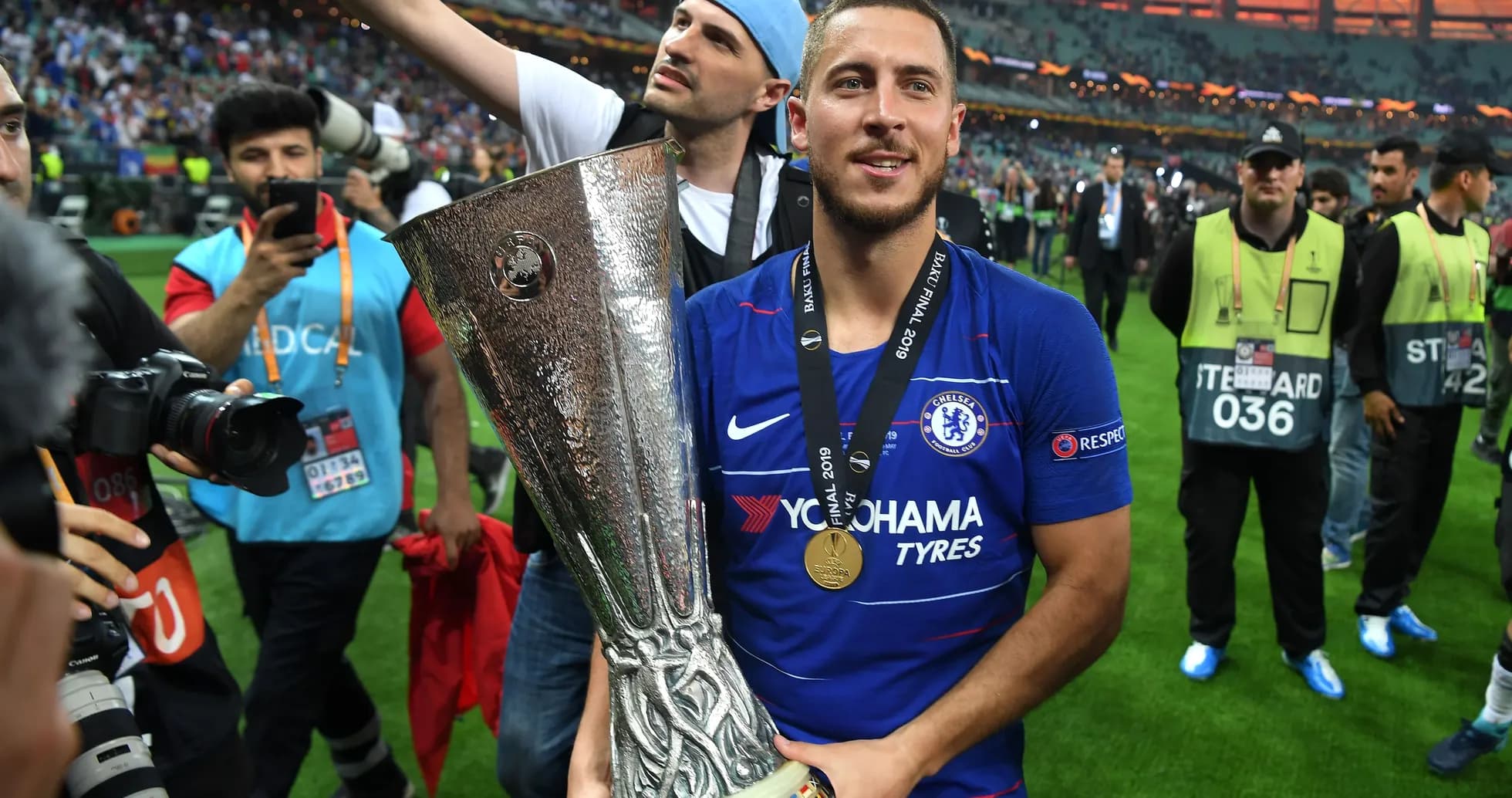
Eden Hazard, the player Lavia grew up idolising, had come back to his old home. Chelsea had just beaten Manchester United 2-0, a performance that felt controlled, assured, and increasingly reflective of Xabi Alonso’s growing imprint on this team. Then the club’s modern icon walked down from the stands and onto the turf, straight into the orbit of the club’s new Belgian hope.
Hazard’s presence did not decide the game. It did something else. It lit a fuse.
Hazard’s shadow – and his support
Hazard knows this pitch as well as anyone from the last decade. Seven seasons, 110 goals, two Premier League titles: his footprint is still visible in every attacking player who dares to take a man on in blue. Now retired at 35, he has swapped the spotlight for a quieter role, but his influence clearly lingers.
For Lavia, that influence is personal.
"He's a very important figure for me," Lavia told Chelsea’s official channels after the match. "We speak quite a lot. It was good to see him out here and I could see in his eyes he was happy for me and proud. It gives me that extra motivation."
Those are not throwaway lines. Lavia has not had the smooth, linear rise many expected when Chelsea paid £53 million to prise him from Southampton in 2023. The fee came with pressure. The body did not cooperate.
Injuries bit hard, then kept biting. Training sessions turned into rehab blocks. Matchdays turned into watching briefs. The promise that had made him one of the most coveted young midfielders in Europe felt parked, waiting for a body that could finally keep up with his brain.
So when Hazard, the symbol of what a Chelsea career can become, looked him in the eye and showed pride, it carried weight.
From treatment room to engine room
The numbers tell the story of a turning point. This season, Lavia has been named in every Premier League matchday squad. That alone marks a shift from the stop-start chaos of last year. The real breakthrough, though, has come in the last week.
Back-to-back 90-minute performances – first against Liverpool in the Carabao Cup, then against United in the league – have given Chelsea something they have craved: stability at the base of midfield.
"As long as I feel good, I will do everything possible to help the team get results," Lavia said. "I'm feeling good, so I am very happy with my performance."
There was no sense of a player thinking he has arrived. Quite the opposite.
"I'm still young and there are a lot of areas I can improve. We try to tick them off during the week. It's a process. All I can say is the work we are doing with all the people at the club is going well so far. It's just about keeping it going and hopefully we can continue this way."
That word – process – has become a cliché in modern football. In Lavia’s case, it feels literal. His progress has been measured in medical reports, minutes managed, training loads adjusted. Now, finally, the process is producing a player who can dictate games, not just dip into them.
Alonso’s Chelsea find a rhythm
Chelsea’s 2-0 win over United did not explode into life. It suffocated. Alonso’s side pressed with intelligence, moved the ball with purpose, and controlled the key spaces that United never quite reached. In that structure, Lavia’s role was obvious: anchor, organiser, first receiver, tempo-setter.
Alonso’s start at Stamford Bridge has been quietly efficient rather than spectacular. Nine games, 16 points, fourth place. For a club that has lurched from rebuild to reset to rethink in recent seasons, a steady hand and a clear plan feel almost radical.
Lavia’s resurgence arrives at exactly the right moment. With his recall to the Belgium national team secured, his confidence rising, and his fitness finally aligned with his talent, Chelsea suddenly have a midfielder who can grow with this project instead of chasing it.
A Belgian thread through Stamford Bridge
There is a neat symmetry to this. Hazard once carried Chelsea’s hopes from the left wing, dragging the team through awkward eras with his brilliance. Lavia, a very different player in a very different position, now has the chance to shape a new version of Chelsea from deeper on the pitch.
The connection between the two is not just national pride. It is mentorship. It is a former star taking the time to stay close to a younger compatriot walking into the same dressing room, the same expectations, the same unforgiving spotlight.
For Lavia, that support arrives at a delicate stage. He is no longer the new signing with time on his side. He is the midfielder Chelsea need now.
The road ahead
The schedule offers no room for sentiment. Chelsea sit fourth, and the target is clear: stay there, or climb. Next comes a trip to bottom-club Sunderland on Sunday, a fixture that, on paper, screams opportunity but in reality will test Chelsea’s ability to impose themselves away from home.
After the international break, Leeds come to Stamford Bridge in a game that already feels like a measure of where this side truly stands. Intensity, aggression, chaos – Leeds bring all of it. That is exactly the kind of contest where a calm, controlling presence in midfield becomes priceless.
Lavia will expect to be at the heart of it. Two full matches have given him rhythm. Hazard’s visit has given him a jolt of emotional fuel. The club’s faith, tested by a difficult first year, is being repaid in the way managers value most: consistency, availability, influence.
Chelsea have seen what a Belgian superstar can do for a generation. The question now is simpler, sharper, and far more immediate: with his mentor watching on, how far can Romeo Lavia drive this new-look side in a season that suddenly has a top-four finish within reach?