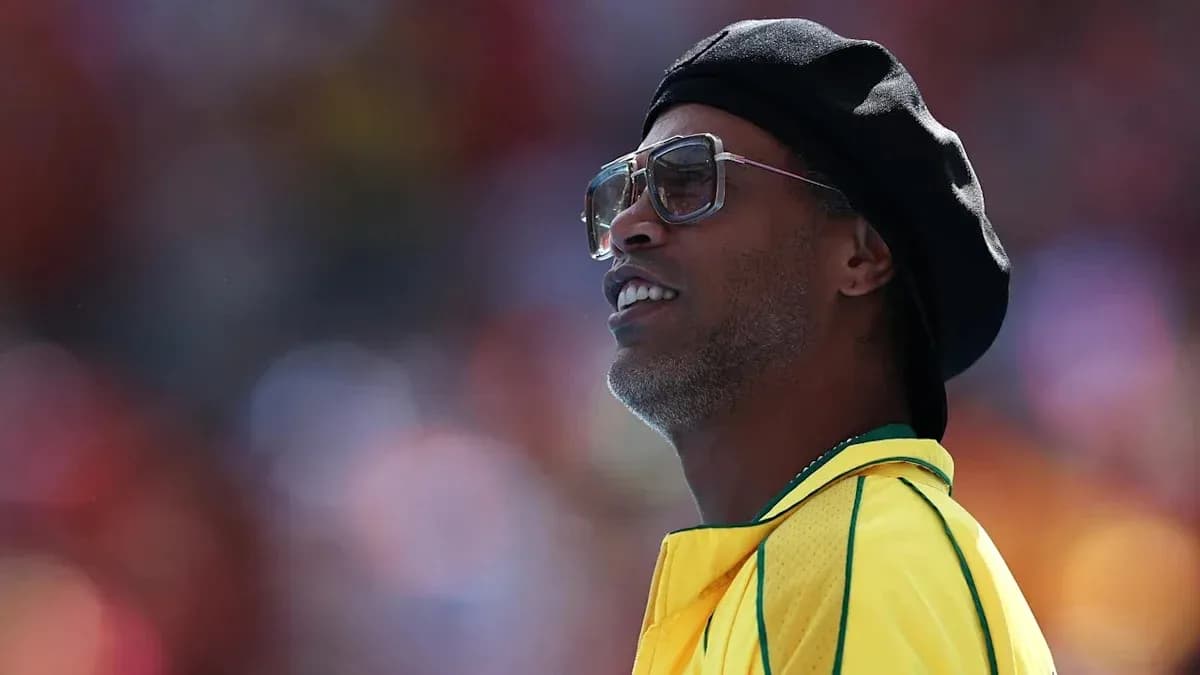
Ronaldinho's Comeback to Italy's Third Tier
More than a decade after he last pulled the strings in professional football, Ronaldinho is about to step back under the floodlights. Not in Rio, not in Barcelona, not at San Siro. In Serie C, at the Stadio Bruno Benelli, wearing the colours of Ravenna.
The 46-year-old Brazilian icon, who officially retired after his final stint with Fluminense in 2015, will make his debut for the Italian third-division side against Forlì on 15 November. Ravenna confirmed the date on Friday, ending weeks of intrigue around when — or even whether — their audacious June signing would actually take the field.
A World Cup winner in 2002, a Ballon d’Or winner in 2005, a Champions League and league champion with Barcelona, a former No 10 for AC Milan from 2008 to 2011 — Ronaldinho’s résumé belongs to football’s highest altitudes. Yet his next act will unfold in a compact stadium in Emilia-Romagna, in a league divided into three regional groups, where Ravenna currently sit second in their section.
For the club, this is more than a marketing coup. They are calling it an event “set to turn the world’s gaze toward the Stadio Bruno Benelli.” Hyperbole? Perhaps. But this is Ronaldinho. The name alone still bends attention.
The return of the magic
Ravenna’s hierarchy have leaned fully into the romance of the story. In a statement, they hailed “a grand return: The return of the magic, the smile, and a talent that has captivated generations of fans, regardless of their team loyalties or soccer allegiances.”
That is the essence of the bet. This is not about reliving the sprinting, slaloming Ronaldinho who shredded defences in La Liga. It is about the aura, the imagination, the possibility that even in his late forties he can still produce one more outrageous pass, one more no-look touch that sends a third-tier crowd into disbelief.
Ignazio Cipriani, the president who runs the club and comes from the Cipriani restaurant dynasty, has been open about his dream: he wants Ronaldinho to score the final goal of his career in Ravenna colours. It is a romantic target, almost cinematic. But it has driven this entire project.
The build-up has been equally theatrical. Ronaldinho was introduced to supporters in August at a beachside unveiling in Marina di Ravenna, just before the season started. The club described the journey “from the announcement in Miami … to the warm welcome from fans on the beach” as a wave of “excitement, curiosity, and disbelief.”
The disbelief is understandable. In an era when ageing superstars usually drift toward Saudi Arabia, MLS or testimonial circuits, Ronaldinho is heading into the grind of Italy’s third division. Long coach trips. Tight pitches. Opponents desperate for the story of the day they tackled a Ballon d’Or winner.
Yet that friction is part of the appeal. The vision, as Ravenna put it, “ignited the fans’ imaginations and sparked debate well beyond Italy’s borders.” Now, they say, it “has a concrete date. Ronaldinho will play at the Benelli, opening a new chapter in a story that never ceases to surprise.”
A second Italian chapter
This will be Ronaldinho’s second spell in Italian football, but it could hardly be more different from his first. At AC Milan between 2008 and 2011, he shared a dressing room with elite stars, played for titles, and filled San Siro under the glare of global television.
At Ravenna, the stakes are smaller yet strangely purer. Promotion battles, local rivalries, and the chance for a new generation of fans — many of whom know him more from clips than from live memories — to see him up close.
The club’s language captures what he still represents to so many. “There are footballers who are remembered for what they have won and others also for how they made people feel,” they said. “Ronaldinho belongs to that rare breed of champions capable of turning soccer into pure joy — through an unexpected move, a moment of creative brilliance, a smile that has bridged stadiums and generations alike.”
That smile, that looseness, made him a symbol of football as play rather than labour. The thought of that style dropping into Serie C, even for a cameo, is why this story has travelled far beyond Ravenna’s usual orbit.
Now comes the reality. Training sessions. Tactical work. A 46-year-old body being readied, however briefly, for competitive football again. The club insists the plan is real, the date is set, the shirt is waiting.
“The wait is almost over,” Ravenna concluded. “The magic is coming back to the field.”
On 15 November, in a modest Italian stadium, the game will ask one more question of Ronaldinho: how much magic is left?