Rui Hachimura's Tough Choice: Clippers or Lakers?
The NBA dropped the hammer on the Clippers, and the shockwaves have rolled straight across Los Angeles.
Five future first-round picks stripped. Kawhi Leonard fined. Steve Ballmer fined and suspended. A franchise that sold itself as the sport’s slick, modern alternative to the Lakers suddenly looks exposed, punished, and very short on tomorrow.
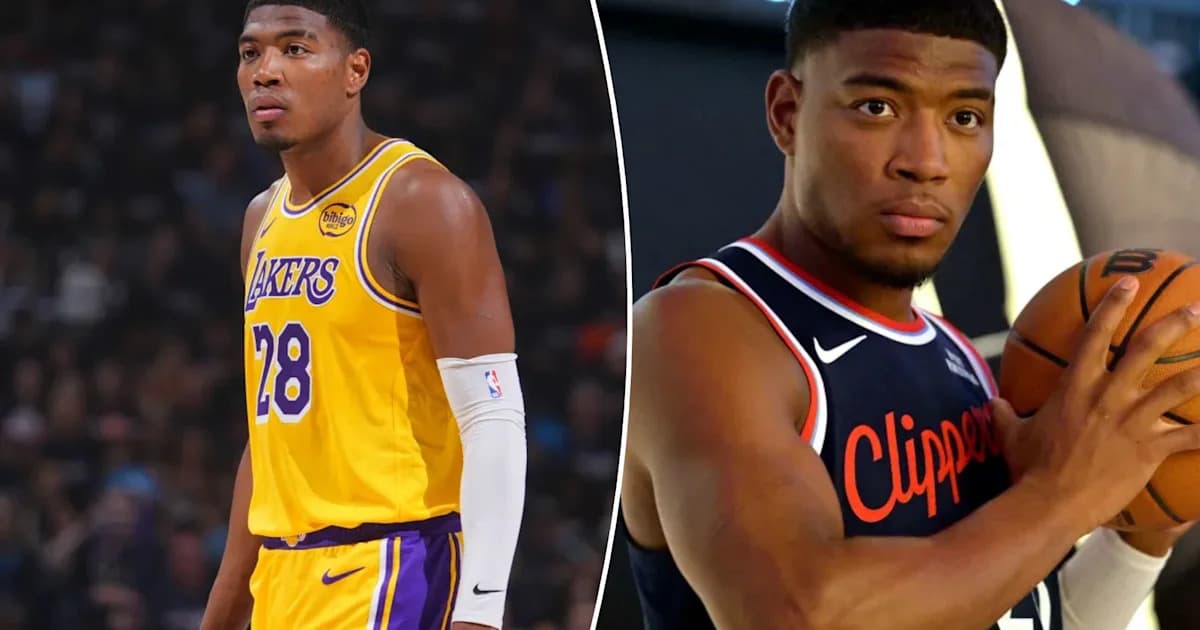
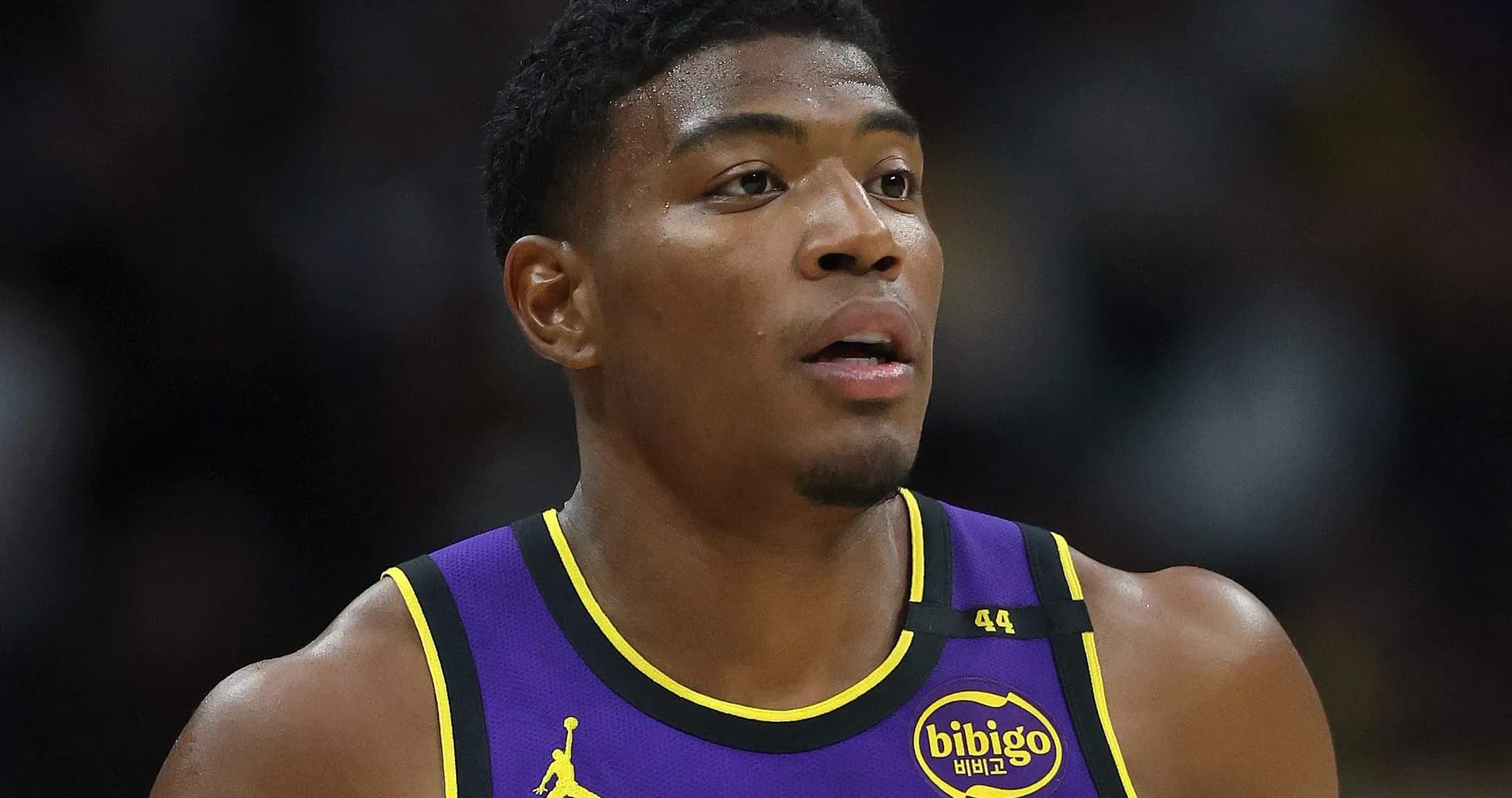
In the middle of that storm sits Rui Hachimura, a former fan favorite in purple and gold who chose the other locker room down the hall. Now the question hangs over him: did he pick the wrong side of Staples Center history?
A Choice That Looks Worse by the Day
Hachimura, 28, could easily still be a Laker. His three-year run with the franchise ended when he left for the Clippers in free agency, taking a two-year, $28 million deal that kept him in Los Angeles but shifted his allegiance.
The money wasn’t the issue. The terms were.
As San Antonio Spurs analyst Dusty Garza pointed out on X, Hachimura walked away from a Spurs offer built around the full midlevel exception to play next to Victor Wembanyama on a rising contender loaded with draft capital. Same money. Very different context. And the contract he took with the Clippers carries a second-year team option, handing the power to the franchise, not the player.
“Ouch!” Garza wrote, capturing the sentiment of many watching the Clippers crumble under the weight of the league’s sanctions.
San Antonio, stung by any hesitation, moved quickly. The Spurs pivoted and signed Tobias Harris, the veteran scorer they had circled as a priority target once it became clear Hachimura wasn’t a lock.
In hindsight, the contrast is brutal. One team just got hammered by the league and surrendered a huge chunk of its future. The other is building around a generational talent with flexibility, picks, and patience. Hachimura chose the city he loved over the cleaner basketball situation, and now that choice sits under a harsher light.
What Really Happened With the Spurs
There is another side to the Spurs angle, though.
NBA insider Brett Siegel detailed earlier this offseason that while San Antonio did speak with Hachimura’s camp, the interest had limits. Inside the Spurs’ front office, he wasn’t viewed as a realistic long-term piece. They wanted experience and leadership on a short-term deal, not a deeper commitment built around Hachimura’s prime years.
That’s why Harris, not Hachimura, sat at the top of their board. Once they sensed any wavering, they moved on. By the time free agency settled, the door to San Antonio was no longer open.
So Hachimura’s decision wasn’t just Spurs vs. Clippers. It was stay in Los Angeles on a shorter, more fragile contract with the Clippers, or chase something less certain elsewhere. He chose comfort, continuity of city, and the idea of contending right away.
Then the penalties dropped.
Did the Lakers Misplay This Too?
There’s another uncomfortable angle for Laker fans: should he have been allowed to leave at all?
The Lakers’ front office made a hard run at Jonathan Kuminga in free agency, a younger, more speculative piece, while their efforts to keep Hachimura felt muted by comparison. That choice jars when you stack up their résumés.
Hachimura is proven. He’s polished. He’s one of the league’s elite 3-point shooters. He fit seamlessly alongside stars, had strong relationships with Luka Doncic and Austin Reaves, and gave the Lakers exactly what every modern contender craves: size, shooting, and playoff poise.
Last season, he knocked down 44.3 percent of his 3-pointers, one of the best marks in the NBA, while averaging 11.5 points per game. When the lights brightened, he got hotter. In the postseason, he turned into a flamethrower from deep, hitting 57 percent from beyond the arc and nearly 18 points a night. Those aren’t empty numbers. Those are “swing a playoff series” numbers.
Meanwhile, the Lakers are still shuffling pieces at power forward, searching for the right fit next to their stars. It doesn’t take much imagination to picture Hachimura in that role right now, spacing the floor, punishing mismatches, and giving them lineup flexibility they simply don’t have.
Instead, he’s across the hall, on a roster suddenly staring at a future with fewer picks, less leverage, and more questions.
A Crossroads for Player and Franchise
The Clippers sold Hachimura on staying home, chasing wins, and competing deep into May and June. On paper, it made sense. A talented roster, a big-market stage, and a team trying to finally step out of the Lakers’ shadow.
The league’s ruling has changed that picture overnight.
The penalties don’t just hurt the Clippers’ ability to reload. They reshape the perception of the franchise. Players around the league notice when a team loses five first-rounders and its owner gets suspended. Agents notice when a contract includes a team option that can flip security into uncertainty in one summer.
Hachimura is now tied to a team whose long-term outlook suddenly looks cloudy, while the organization that first unlocked his playoff version is left wondering if it misjudged his value at exactly the wrong time.
He wanted Los Angeles. He got it. But as the Clippers absorb historic punishment and the Lakers still search for answers at his old position, the real question lingers over both franchises:
Who will regret this more by the time this season ends?