Pedro Sanchez's Fight for the 2030 World Cup Final in Spain
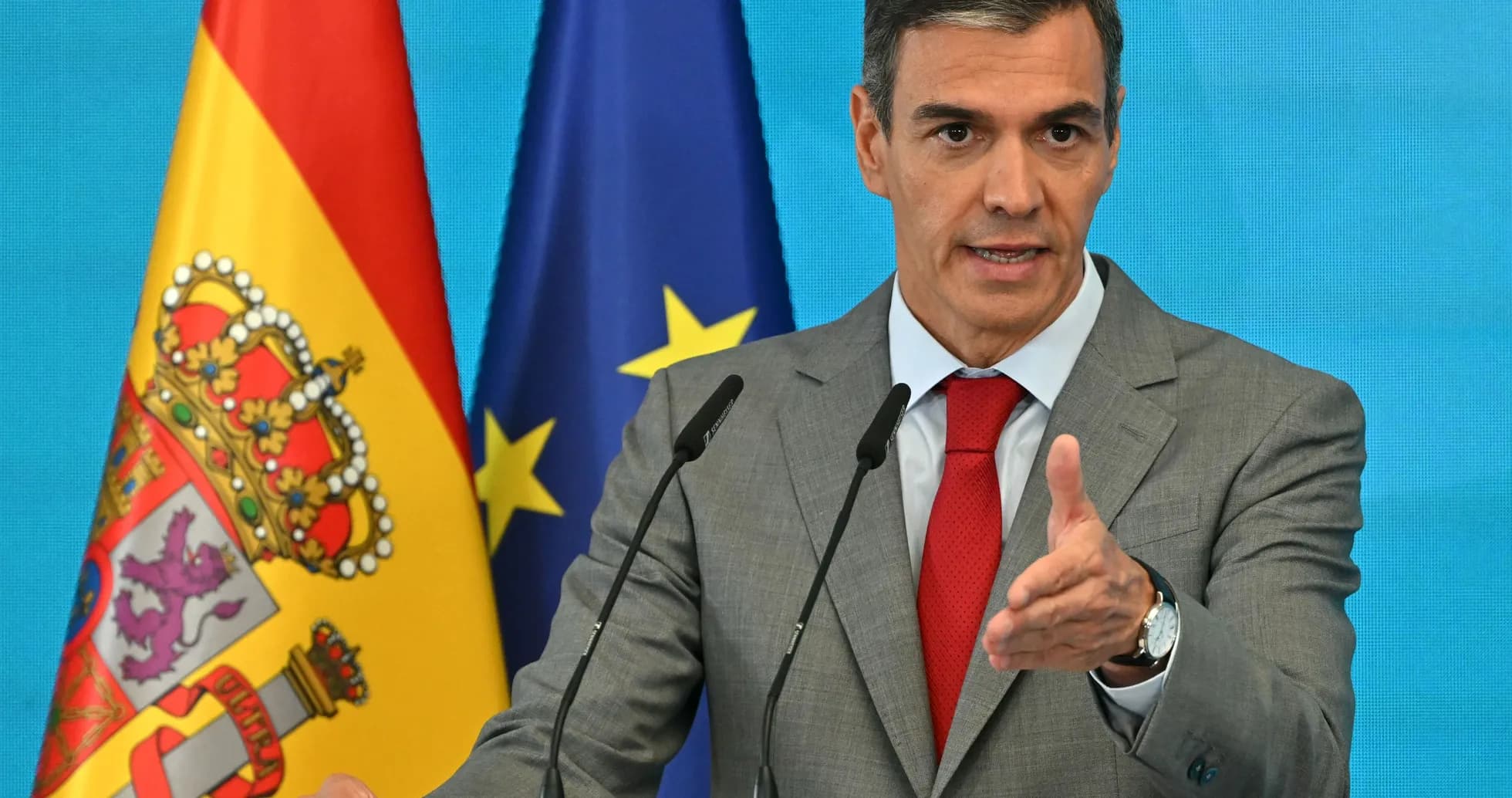
Pedro Sanchez has drawn a line in the sand. The Spanish Prime Minister has vowed that his government will do everything in its power to ensure the 2030 World Cup final is played in Spain – and not across the Strait of Gibraltar in Morocco.
Speaking on Monday to Spanish network SER, Sanchez made his stance unmistakably clear. His government, he said, "will work to ensure that the final is held here". The message was aimed as much at FIFA president Gianni Infantino as at Spanish voters, after growing speculation that world football’s governing body could be tempted to take the showpiece match to Morocco.
For Sanchez, this is about more than logistics or diplomacy. It is about footballing merit and national pride. "The time has come for Spain to win the World Cup on its own soil," he declared, tying the political push directly to the trajectory of La Roja on the pitch.
Spain’s recent record gives him ammunition. They climbed to the summit of world football for the first time in 2010, lifting the trophy in South Africa. Fourteen years later, they did it again, this time on American soil at the 2026 tournament shared by the United States, Mexico and Canada.
That second star came on 19 July, in a tight, tense final against Argentina. Spain edged it 1-0 after extra time, Ferran Torres delivering the decisive goal. A new generation carried the weight of a golden past and delivered, reinforcing the sense that Spain now sit among the sport’s modern superpowers.
Sanchez is using that status as leverage. Two World Cups in the space of two decades, he argues, strengthen Spain’s claim not just to host games, but to stage the biggest one of all.
The 2030 edition is already unique. Spain will co-host with Portugal and Morocco, while Uruguay, Argentina and Paraguay have been granted the right to stage their opening matches at home to mark 100 years since the first World Cup in 1930. Back then, every game took place in Montevideo. In 2030, the tournament will sprawl across continents.
Amid that sprawling map, one key pin is still missing: the venue for the final. That decision has become a political battleground. Morocco, buoyed by its recent rise on and off the pitch, is pushing hard. Spain’s government has now stepped fully into the arena, determined that the tournament’s defining night will not slip away.
The World Cup’s centenary will celebrate football’s past. Sanchez is betting that the future – and the final – should belong to Spain.