Saudi Pro League Stars Shine at Ballon d'Or Party
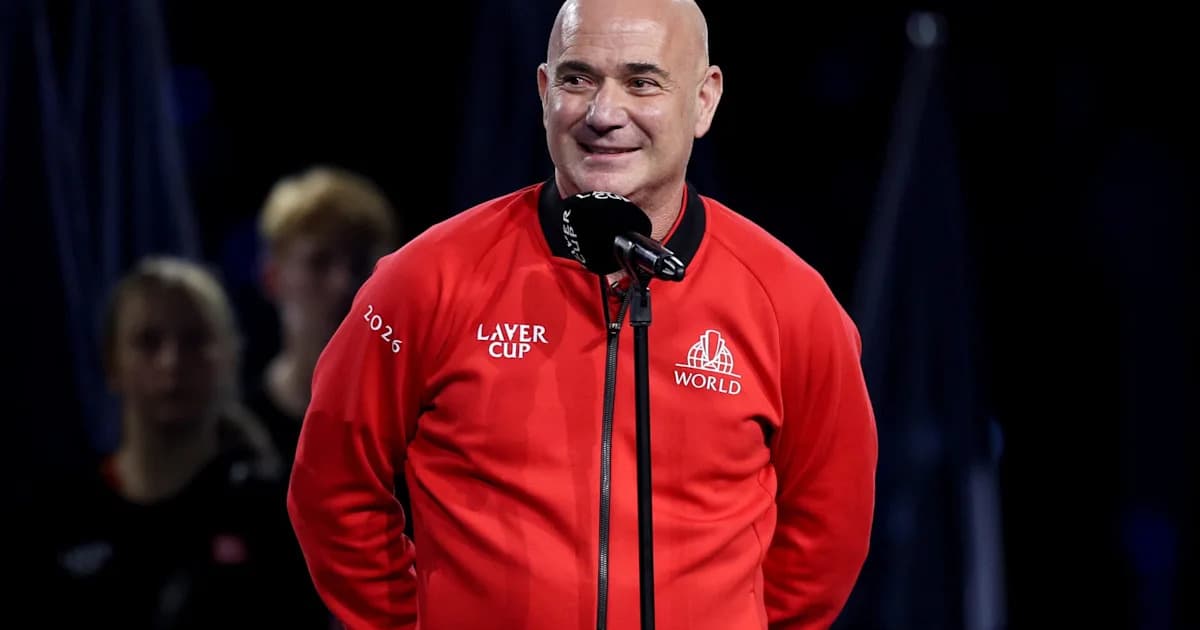
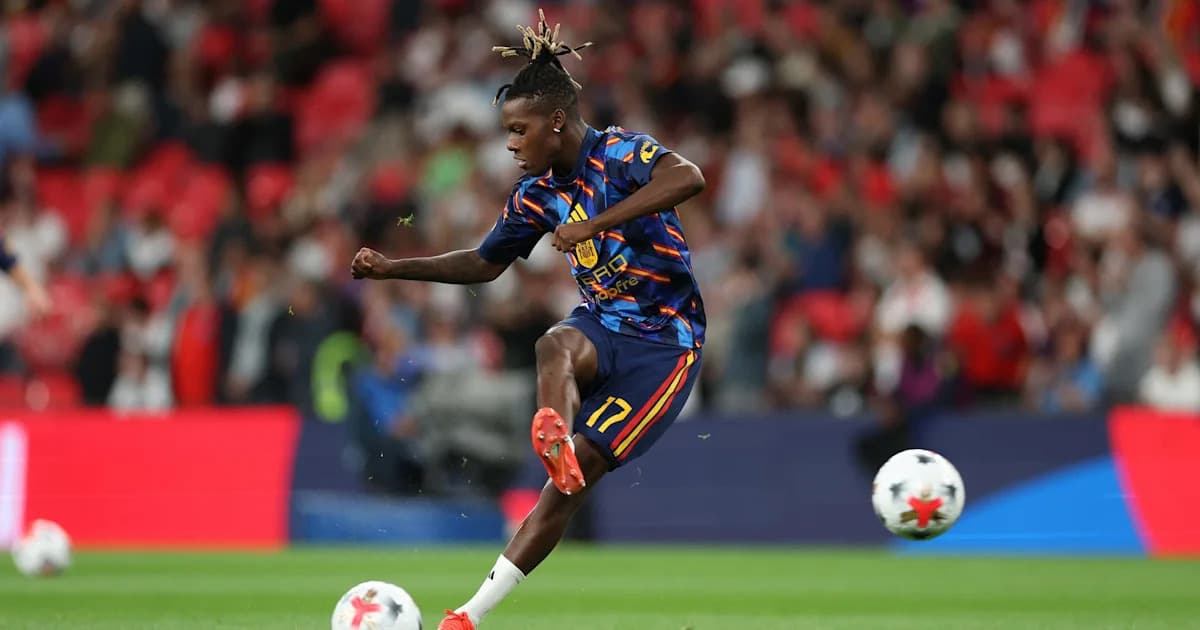
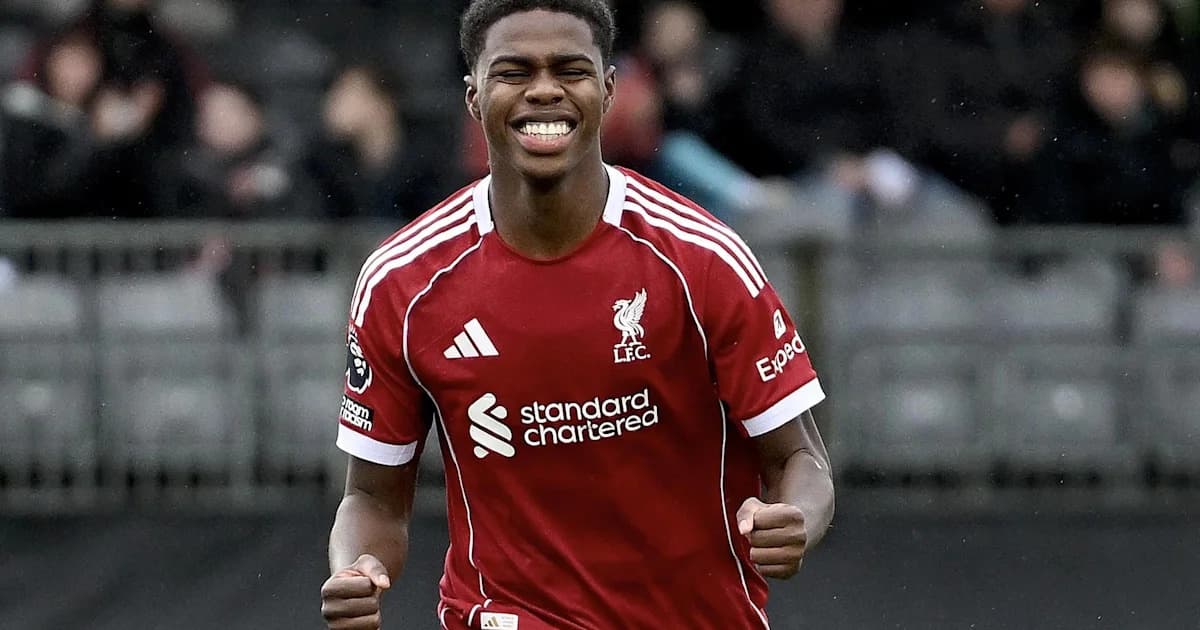
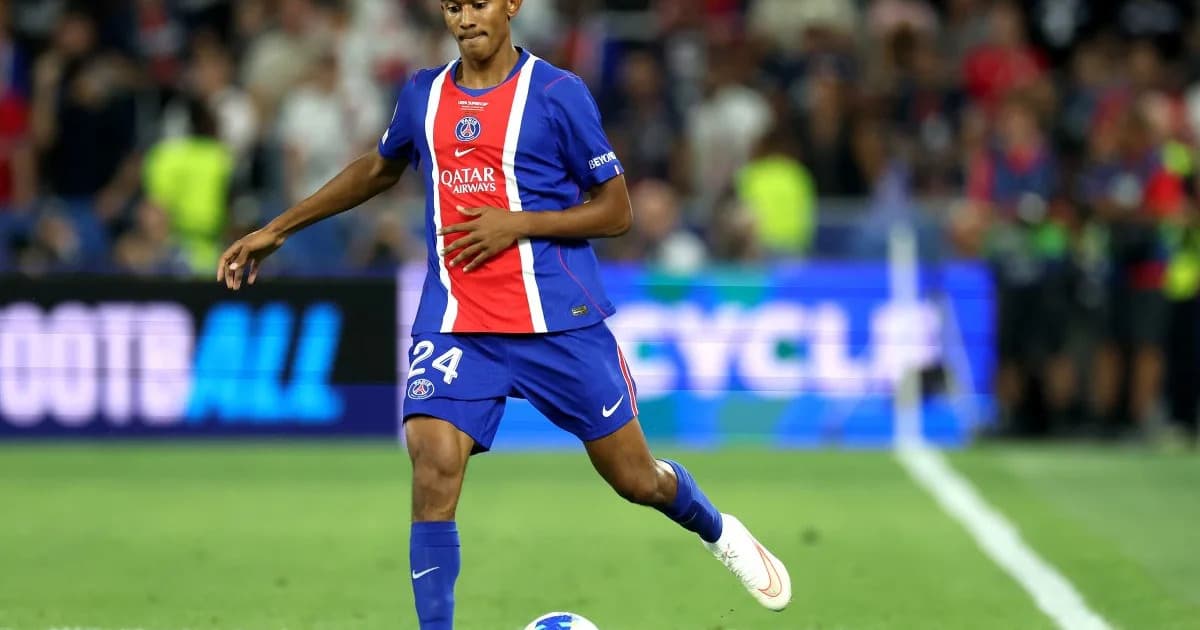
France Football’s latest Ballon d'Or shortlist carries a clear message: the Saudi Pro League is no longer just a lucrative detour. It is shaping careers at the very top of the game.
Sadio Mané and Julián Quiñones have both been named among the 30 contenders for the 2026 award, their names sitting alongside European heavyweights after seasons that forced the world to take notice.
Mané back among the elite
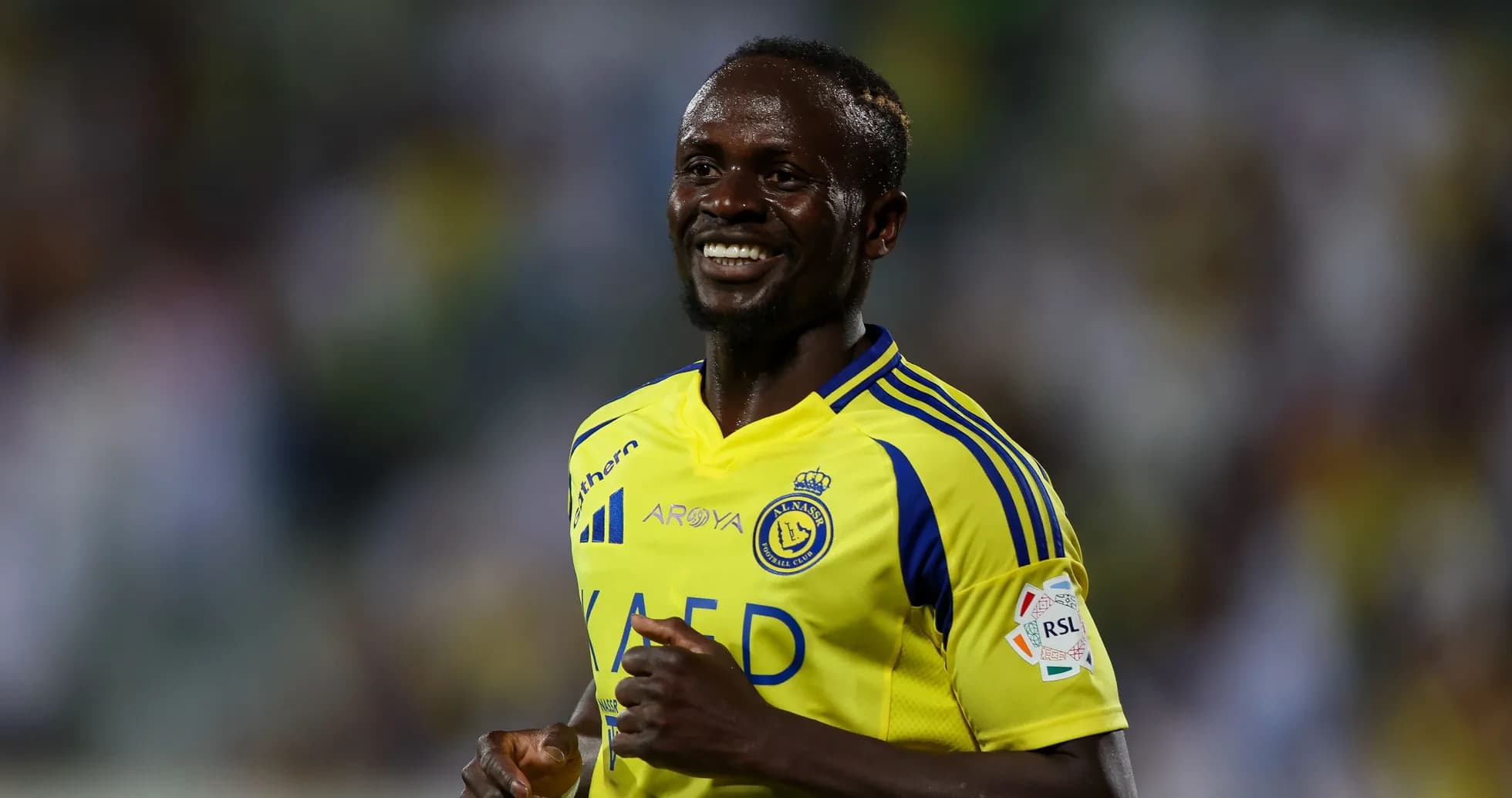
For Mané, this is familiar territory, but reached by a new route. The Al-Nassr forward, once a symbol of Liverpool’s high-pressing glory years, has now become the face of Saudi football’s rise.
He drove Al-Nassr to their first league title since 2019, weighing in with 10 goals and six assists. Those numbers tell only part of the story. Mané carried the attack in key moments, set the tone with his work rate, and delivered when the title race tightened.
His form travelled with him onto the international stage. Wearing the captain’s armband, he led Senegal to the final of the 2025 Africa Cup of Nations, then pushed them into the knockout rounds of the 2026 FIFA World Cup. Big stages, big pressure, same Mané.
After Al-Nassr’s 2-1 win over Abha on Wednesday, he allowed himself a rare moment of reflection. He spoke of gratitude to fans and journalists, and of the quality around him in the Saudi Pro League, stressing that many others could have joined him on the list. The subtext was clear: this nomination is personal recognition, but also a nod to a league demanding respect.
It also marks a return. Mané last appeared on the Ballon d'Or shortlist in 2022, when he finished as runner-up. Now, from a different continent and in a different shirt, he has forced his way back into the conversation.
Quiñones’ meteoric rise
If Mané’s presence feels like a restoration, Julián Quiñones’ inclusion feels like a breakthrough.
The Mexican international tore through the 2025-26 RSL season, claiming the Golden Boot with 33 goals for Al Qadsiah. He did not just edge the race; he seized it on the final day, snatching the award from Cristiano Ronaldo and Ivan Toney with a hat-trick that turned a scoring chart into a statement.
His surge did not stop at club level. On home soil at the World Cup, with Mexico co-hosting, Quiñones embraced the spotlight. He scored four times in the tournament, including the opening goal of the entire competition in Mexico City, as Mexico battled their way to the Round of 16. On the biggest stage, in front of a demanding home crowd, he delivered.
On Tuesday, after scoring again in Al Qadsiah’s 3-2 win over Al Ahli, Quiñones framed the nomination as the product of graft and patience. He spoke of pride, of hard work paying off, and of trusting timing while he keeps pushing to improve. It sounded like a player who knows he has climbed quickly—and believes he can go higher.
For him, this Ballon d'Or nod is more than a line on a CV. It is a marker of a rapid ascent from promising forward to one of the most lethal finishers outside Europe’s traditional power leagues.
Goalkeepers flying the Saudi flag
The recognition does not stop with the outfield stars. The Lev Yashin Trophy shortlist also carries a strong Saudi Pro League accent.
Yassine Bounou, Al-Hilal’s commanding presence between the posts, has been nominated for a fourth time. His season brought the King’s Cup and another deep international run, as he helped Morocco reach the AFCON final. He has become the kind of goalkeeper managers build defensive systems around: calm, authoritative, decisive in big moments.
On the other side of the domestic divide, Al-Ahli captain Edouard Mendy has earned his third Yashin nomination. His form in Saudi Arabia has been relentless. He lifted the SPL’s Best Goalkeeper award and backstopped Al-Ahli to a second consecutive AFC Champions League Elite title, reinforcing his status as one of the most reliable keepers in the game.
A shifting landscape
Mané, Quiñones, Bounou, Mendy. Four names, one clear trend.
The Saudi Pro League is no longer just exporting headlines about transfer fees and salaries. It is exporting award nominees—players whose performances in the Middle East and on the international stage are now shaping the Ballon d'Or and Yashin conversations.
The question is no longer whether the league can attract stars. It is how many of them will be standing on podiums when the trophies are finally handed out.