The Inside Story of Shakur Stevenson's Unexpected Exit from Zuffa and What It Reveals About Dana White's Boxing Reach
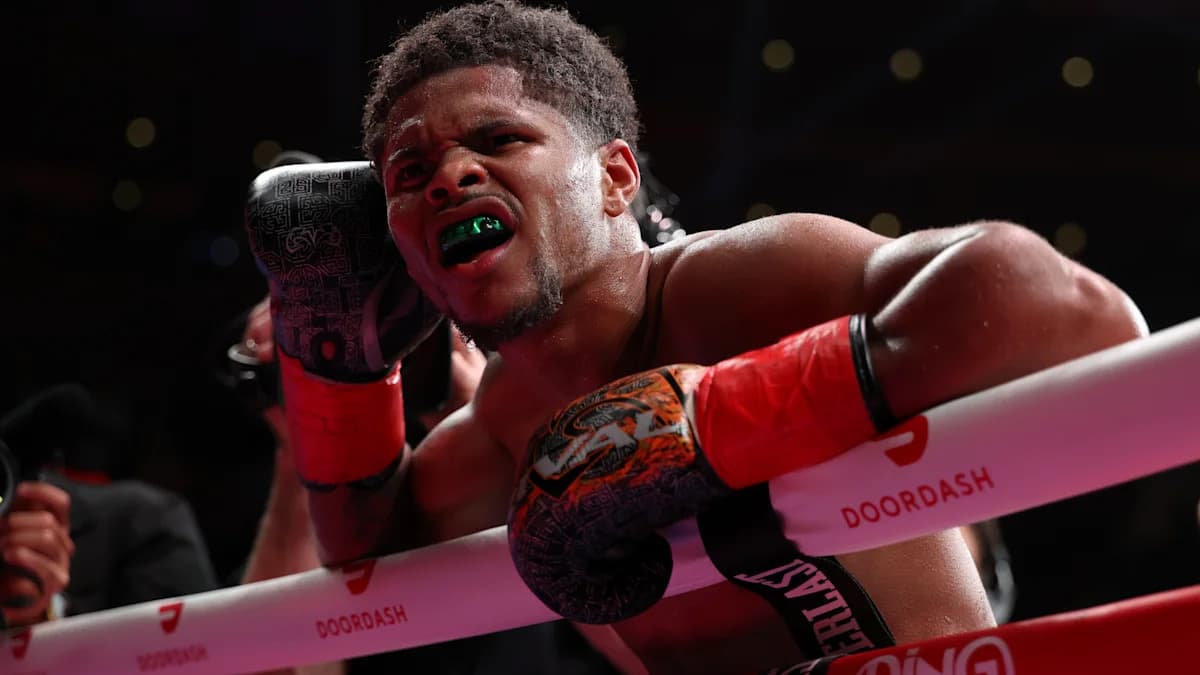
After more than three months and millions spent in negotiations, Shakur Stevenson has ended his partnership with Dana White's Zuffa Boxing without stepping into the ring under their banner. The WBO super lightweight champion and a top pound-for-pound fighter made this announcement on Monday, highlighting the difficulties Zuffa faces in establishing control in the boxing world.
The Challenge of Bringing UFC's Model to Boxing
Zuffa, which oversees both UFC and WWE, launched its boxing division early this year. While their approach dominates MMA, boxing remains a different beast entirely. Unlike UFC fighters who largely compete within the organization's control, boxers often operate independently or with different promoters. This makes coordinating big fights a complex task for any promoter, including White.
Stevenson was Zuffa’s headline signing since its launch, but even securing him did not guarantee control over his opponents. Many of the fighters he wanted to face were outside Zuffa's roster, limiting White's influence over schedules, payouts, and matchups.
Obstacles in Setting Up Fights
Zuffa initially looked to match Stevenson against their own Jose Rayo Valenzuela, but Stevenson quickly dismissed that option. White had previously insisted he wouldn't collaborate with other promoters, yet he was forced to consider fighters beyond his stable.
Discussions for a unification bout with WBA super lightweight champ Gary Antuanne Russell fell apart because of financial disagreements—Russell demanded $3 million, a sum Zuffa declined. Other options, like mandatory defenses and potential appearances on major undercards such as Tyson Fury vs. Anthony Joshua, also failed due to money issues.
Eventually, Zuffa allowed Stevenson to pursue a fight against WBO welterweight champ Devin Haney, despite Haney being signed with DAZN, a competing network. This was a rare concession, allowing their star to appear on a rival platform. Yet, disagreements about purse size and weight class scuttled those plans as well.
Financial Demands and Negotiation Deadlocks
Sources close to the situation revealed Stevenson sought about $15 million for a fight with Haney. Similarly, he asked for that amount to face Valenzuela under Zuffa, which offered roughly $7 million. This mirrors the high-profile $15 million paid to Conor Benn for his Zuffa debut, a figure believed to be inflated to outbid rival promotions initially.
Stevenson's stance, rejecting certain opponents and weight classes while demanding top dollar, reflects the power a star boxer holds. Yet it also highlights Zuffa’s struggle: even with a signed champion, controlling the key fights that build value is nearly impossible when other fighters and networks hold sway.
What's Next for Stevenson and Zuffa?
Zuffa has been linked to Ryan Garcia, whose contract with DAZN still has two fights left. But with major names like Teofimo Lopez, Devin Haney, and Stevenson himself outside Zuffa’s reach, signing Garcia could present similar problems—big fights depend on deals with rival promoters and broadcasters.
Stevenson, now a free agent, seems likely to move into DAZN’s sphere, aligning with fighters like Haney, Russell, Muratalla, and others who share that network. He announced plans to start his own promotional company, expressing willingness to collaborate with serious partners to advance his career.
This time, I want to tell the fans and tell everyone in the public that I’m now taking my career in my own hands, and I’m starting my own promotional company, and I’m willing to work with other promoters and anybody else that’s out there that’s willing to be serious about my career as I am about my career.
Starting his own promotion might allow Stevenson to negotiate fights directly, possibly with DAZN funding and external promoters managing event logistics and undercards.
DAZN's Position and Future Prospects
Earlier in the year, DAZN offered Stevenson a deal similar to Zuffa’s, but the competitive landscape has shifted. Now with Lopez, Haney, and Garcia on DAZN, the leverage favors them. Prices for stars like Stevenson may drop as options narrow, especially if he does not sign with DAZN or one of its promoters.
A move to DAZN would reunite Stevenson with many of the fighters he wants to face, though it won’t solve existing disputes over fight purses and weight categories that complicated earlier negotiations.
Stevenson reclaimed control of his career by leaving Zuffa, but making the best fights will require some flexibility from him moving forward.