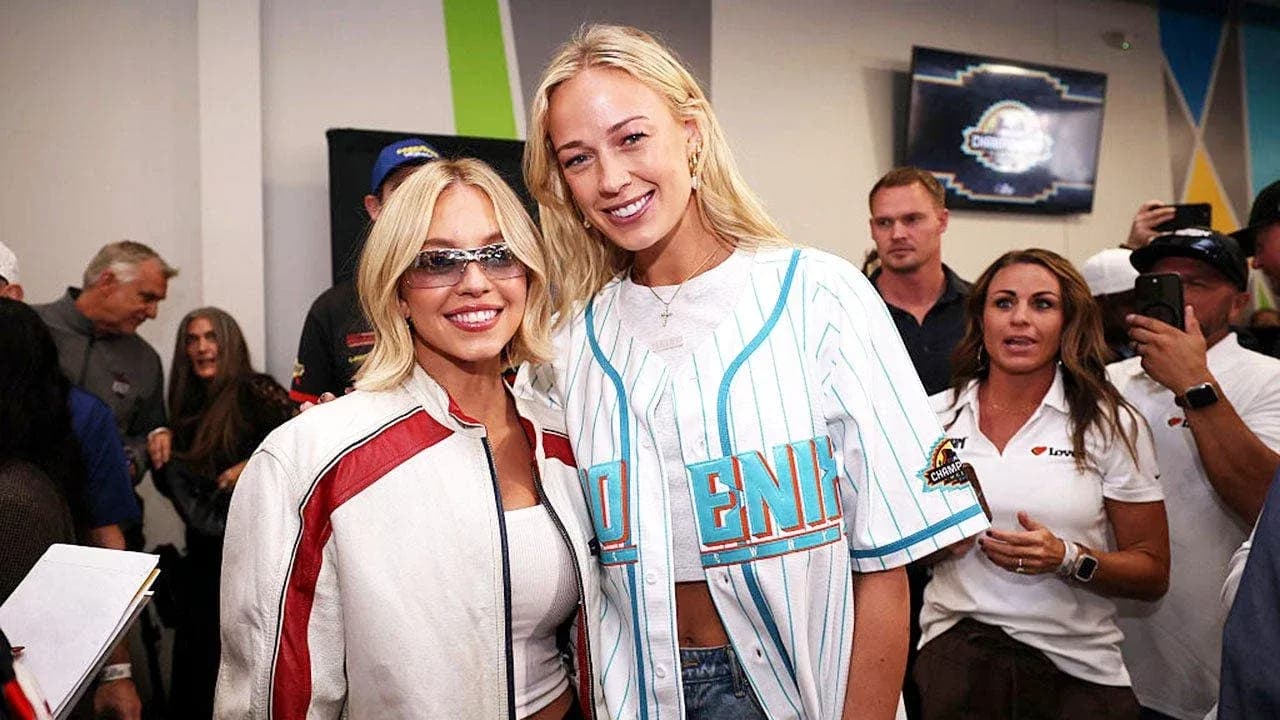
Sophie Cunningham Responds to Sydney Sweeney’s Gambling Ad Controversy
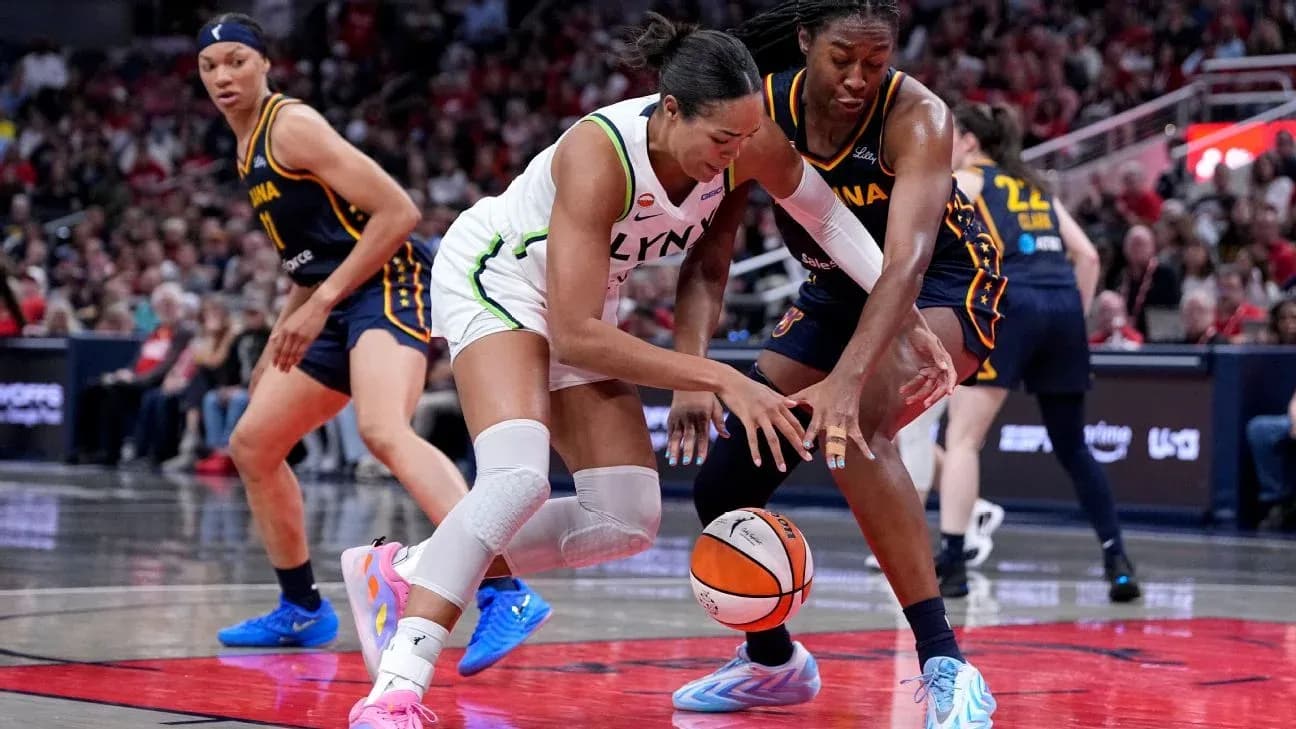
Sophie Cunningham has never been shy about saying exactly what she thinks. This week, with social media aflame over Sydney Sweeney’s provocative gambling commercial, the Phoenix Mercury guard walked straight into the storm and calmly pulled it apart.
On her newly revamped “No Hesitation” podcast, Cunningham cut through a week of outrage from critics who claimed Sweeney’s naked betting ad had dragged women’s sports back decades.
“Why are girls mad?” she asked, almost bemused. “That is literally what she does. Why is anyone mad? It is a gambling ad: men, sports, naked women. Of course, that’s going to draw attention.”
No grand speech. No lecture. Just a blunt reminder of what the ad actually is.
Cunningham didn’t pretend to love it. “Do I agree with it? Morally, I think it’s kind of weird, but each to their own. Go do your thing, sis,” she added, drawing a clear line between personal taste and policing another woman’s choices.
The commercial, produced with betting company Novig, has dominated conversation well beyond the usual sports-betting circles. Novig CEO Jacob Fortinsky revealed during a panel this week that Sweeney wasn’t a passive face of the brand; she helped shape the campaign.
“It really was Sydney who was driving a lot of the visuals and the messaging,” Fortinsky said, noting that the company sees women’s sports as “a huge component” of its platform and insisting, “We never intended to portray female sports.”
In other words, this wasn’t a commentary on the WNBA, the NWSL, or any other women’s league. It was a gambling ad built around a familiar formula and aimed at a familiar market.
Cunningham sees that clearly. To her, the spot exists in the same crowded space as countless other betting campaigns, all chasing the same core demographic. Sweeney and her new podcast partner, skills coach Drew Hanlen, even kicked around the numbers on who actually bets. Hanlen floated the idea that roughly 75% of sports bettors are men. Cunningham thought that undersold it, pegging the figure closer to 90%, maybe even 95%.
Whoever has it right, the point stood: the ad was targeting men. And it worked.
Cunningham also understood why some women recoiled when they first saw it.
“I can understand when you first see that ad that like it could kind of deflate women, because it’s like we’ve worked so hard to get a little bit of respect around here,” she said. Years of grinding for visibility, only to see the conversation hijacked by a naked body selling bets — it’s not hard to see why that stings.
But she didn’t stay there.
“When you really think about it, it’s like, screw it, let that girl do her thing. This has nothing to do with us,” Cunningham continued. For her, the ad lives in a separate lane from the work being done on courts, fields, and tracks.
She pointed instead to the broader picture: a generation of women athletes reshaping what strength and success look like.
“At the end of the day, I’m really loving seeing all these girls who are powerful, strong, showing young girls what it looks like to be an athlete. I don’t think the ad was coming for women in sports.”
That’s the crux of her argument. The fight for respect in women’s sports, in Cunningham’s eyes, isn’t undone by an actress leaning into a brand of sexuality that has always been part of mainstream advertising. It’s built, day after day, by players lifting trophies, selling out arenas, and forcing networks to move tip-off times to prime slots because the audience demands it.
Cunningham isn’t asking anyone to like the ad. She isn’t endorsing the creative or the message. She’s drawing a boundary: between a Hollywood star using her image in a gambling campaign and the grind of athletes who’ve turned women’s sports into one of the fastest-growing products in the industry.
That distinction matters. As the money from betting continues to flood into sports, and as brands look for louder, sharper ways to be noticed, athletes will keep wrestling with where the line sits between empowerment, exploitation, and indifference.
Cunningham has staked out her spot. Let Sydney Sweeney be Sydney Sweeney. Let the ad chase the audience it was built for. And let women’s sports define themselves on their own terms, not in reaction to someone else’s billboard.