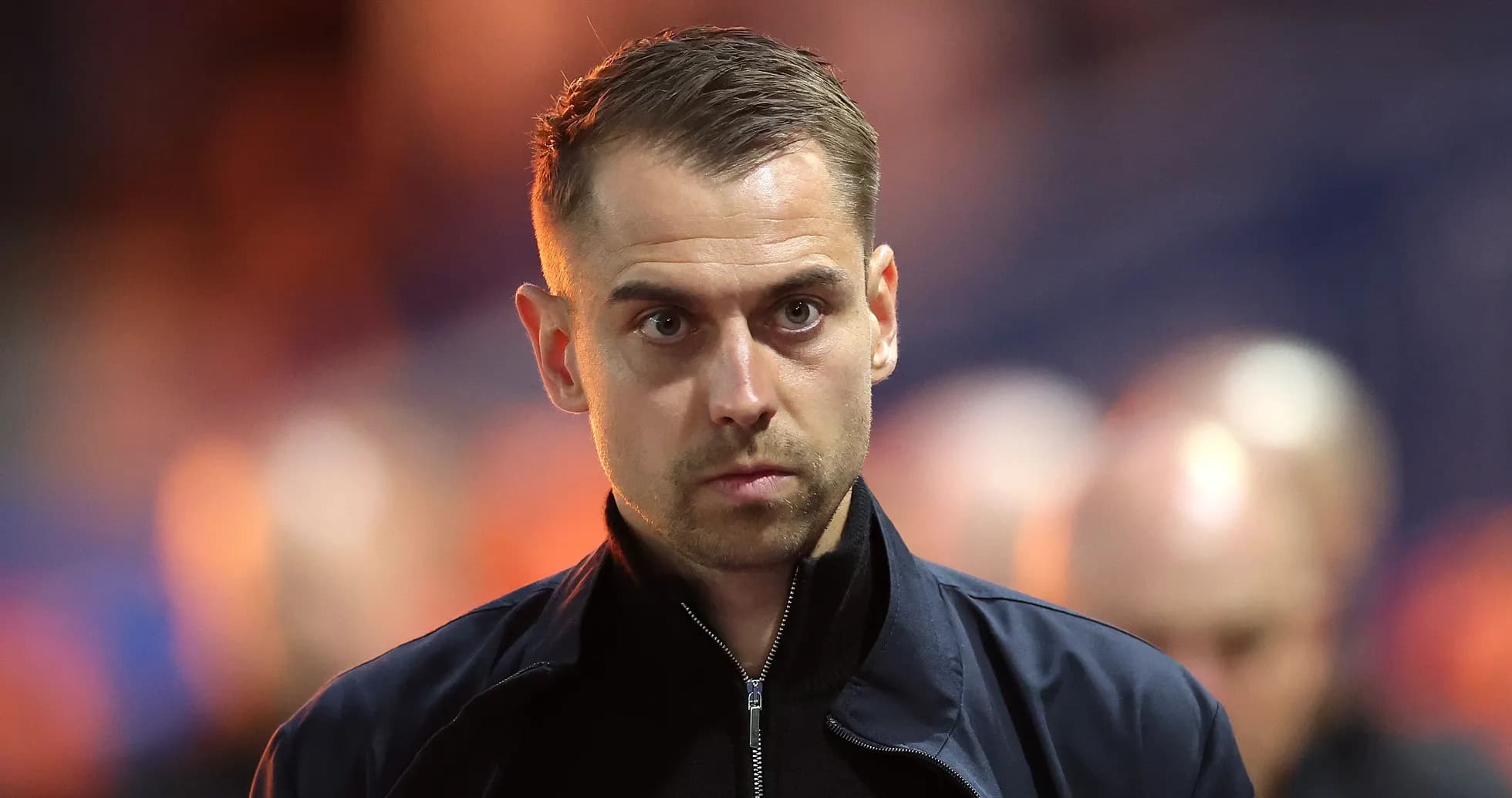
Southampton's Season Shadowed by Espionage Scandal
Southampton’s season has been played under a long, cold shadow. It started not with a kick of a ball, but with a pair of eyes in the wrong place.
In May, Middlesbrough staff confronted a Southampton intern watching their training sessions in the build-up to the Championship play-off semi-final. What at first looked like a one-off lapse quickly unravelled into something far more serious. The same club, the same methods, had already been used against Oxford and Ipswich during the regular season.
An independent English Football League commission did not treat it as naïve over-enthusiasm from a junior employee. It saw design. It saw structure. Its written verdict described “a contrived and determined plan from top down to gain a competitive advantage”, and highlighted how junior staff felt pressured into carrying out covert surveillance.
The punishment that followed tore up Southampton’s season.
They were expelled from last year’s play-offs, thrown out of a promotion race that could have been worth at least £200m in Premier League revenue. A shot at the top flight disappeared overnight, along with the financial uplift that comes with it. When the new campaign began, they did so from four points behind everyone else, already carrying a handicap before a ball had been struck.
Now the fallout moves from league offices to Wembley’s corridors. The Football Association has charged manager Eckert with misconduct over the same offences, and an independent regulatory commission will hear his case this week. The sporting damage is already historic; the personal consequences for the man at the centre of it all are still to be decided.
Inside the club, there is a clear sense that the price has already been paid.
Chief executive Phil Parsons, speaking before the FA hearing, appealed directly to the governing body’s sense of proportion. He did not try to minimise what had happened. Instead, he painted a picture of the wreckage left behind.
“What we hope as a club is they actually recognise where we are at the moment, and what we've already been through, because I think it has to be taken into account,” he said. The numbers tell their own story. No Premier League promotion. No broadcast windfall. No matchday boost. Then the hidden costs: “We lose money not being in the Premier League, but [local] businesses lose money. We had to spend a huge amount on legal fees, and it really impacts the club even further.”
Parsons’ tone was not defiant, but weary. “I really feel like we've taken enough. We've been hurt,” he added. “I think it's one of the largest sanctions ever when it comes to football, or even sporting, history. We don't want to be seen as a victim of this. We need to get on. We've had our cards dealt.”
If the chief executive spoke for the institution, Eckert spoke for the man in the firing line.
In a BBC interview on Monday, the German manager described the penalties as “absolutely unheard of in the history of sports”. No attempt to distance himself. No suggestion that this was someone else’s mess. “It's been a big, big punishment. And it's tough for me to say that because it concerns me. I'm judging on myself, not an outside situation. But I've asked for forgiveness for what I've done. I've apologised publicly.”
The EFL panel had already made clear how it viewed his role. This was not the work of a rogue analyst. The commission found that the espionage operations were orchestrated from above, part of a deliberate strategy. Junior staff, it said, felt compelled to carry out instructions.
Eckert’s defence has been rooted not in denial, but in claimed ignorance of the rulebook. He has accepted that he arranged the covert missions, while insisting he did not realise they breached EFL regulations. For a manager operating at the sharp end of the English game, that admission has raised eyebrows across the league.
What he no longer disputes is the damage. The club lost its place in the play-offs. It started this season four points adrift. Reputations have been dragged through weeks of headlines. “I think the punishment has been very hard on the club for the last season,” he concluded.
That hardness is exactly what the FA commission will weigh now. Were the EFL sanctions enough for a scandal that has already rewritten the boundaries of sporting discipline in English football, or is there still more to come for a club trying to climb out from under its own mistakes?