Southwest Division: New Directions and Ambitions
The Southwest used to be predictable. Not anymore. A division once defined by established stars now leans heavily on rookies in Dallas and Memphis, while Houston and San Antonio double down on experience for a title push. New Orleans, caught in between, is still trying to decide what it wants to be.
This is a division in transition, but not one content to wait.
Dallas Mavericks: A Rebuild With a Headliner
Dallas didn’t just get a top pick. It got a jolt of relevance.
Cooper Flagg arrived with the weight of a No. 1 overall selection and played like it, instantly becoming the franchise’s new centerpiece. The problem? The rest of the roster couldn’t stay healthy. The Mavericks limped to 26-56 and watched the postseason from home.
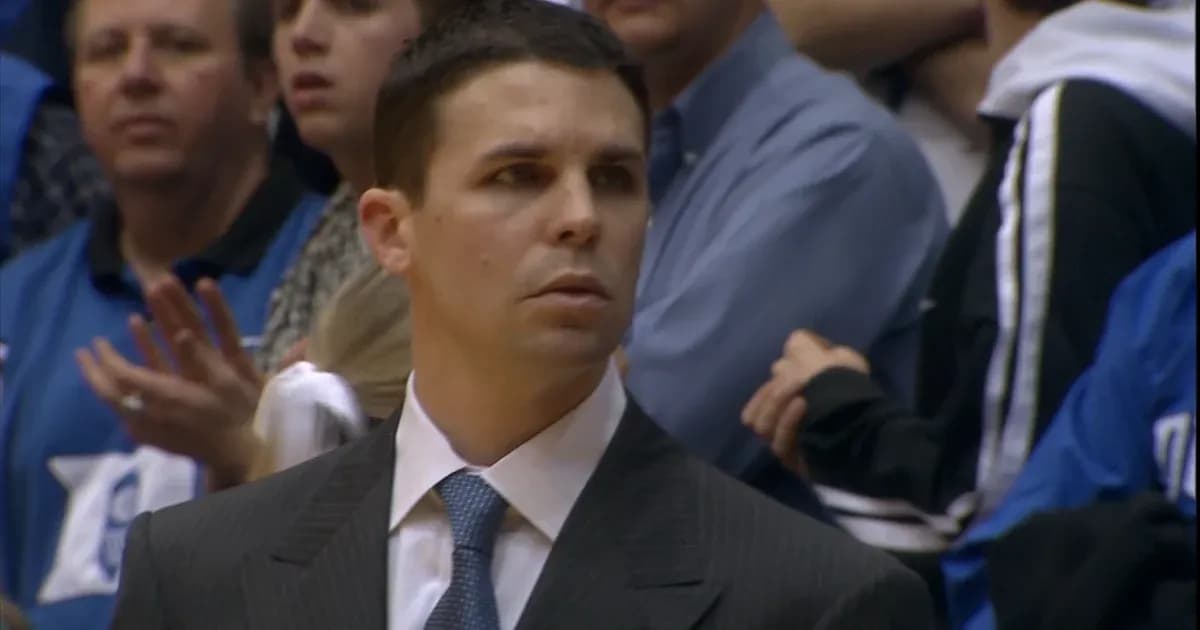
The response was bold. Masai Ujiri, architect of Toronto’s championship run, took over the front office and immediately went off the beaten NBA path, hiring college champion Dusty May from Michigan to steer a young group at the pro level. It’s a gamble that fits the roster. This is a team that looks more like an elite college program than a veteran NBA contender.
May doesn’t come alone. Morez Johnson, his frontcourt anchor at Michigan, joins him in Dallas, reinforcing a front line that already includes Zaccharie Risacher, the No. 1 pick from two years ago. Add Santi Aldama, Tobi Lawal, Tarik Biberović and Marcus Sasser, and the Mavericks suddenly have a wave of length, energy and shooting to throw at opponents.
They also have a wild card: Kyrie Irving. His return from injury gives Dallas a proven closer and playmaker, the kind of veteran creator a young core badly needs. But the real ceiling-setter is Flagg. If he jumps straight into All-Star territory, Dallas’ rebuild speeds up overnight.
The Mavericks shipped out Marvin Bagley III, Khris Middleton, Dwight Powell, Klay Thompson, Ryan Nembhard and Brandon Williams. The message is clear. This is Flagg’s team now, with May and Ujiri building a long-term identity around him.
Houston Rockets: Running It Back, With Sharper Edges
Houston tasted the good life again last season. A 52-20 record in a loaded Western Conference, Kevin Durant still dropping 25 a night, Amen Thompson blossoming, Alperen Sengun stepping into the spotlight. Then came the crash: a first-round exit.
The front office’s verdict? The core is right. Tweak it, don’t tear it down.
The Rockets made no seismic moves, but they made smart ones. Fred VanVleet, who missed all of last season rehabbing, returns to stabilize the backcourt and late-game execution. To back him up and harden the team’s competitive edge, Houston brought in Marcus Smart, a veteran guard who thrives in high-stakes moments and guards multiple positions.
Durant remains the fulcrum. Nearing 38, he still commands double-teams and bends defenses. Houston knows the window with him isn’t endless, so it added more shooting around him, signing Bogdan Bogdanović, one of the league’s more efficient threats from deep. His presence should stretch the floor for Sengun’s playmaking and Thompson’s relentless drives.
The outgoing group — JD Davison, Dorian Finney-Smith, Jeff Green, Aaron Holiday, Josh Okogie — represents rotation depth more than core identity. The identity now rests on a blend of veterans and emerging stars.
For Houston to move beyond the first round, Sengun and Thompson must climb another rung. If they do, a team already flirting with 50 wins has every reason to believe it can push into the West’s top tier and stay there when the games really start to matter.
Memphis Grizzlies: Life After Ja
Memphis didn’t just have a bad year. It had a fracture.
A major midseason trade involving Jaren Jackson and persistent injuries to Ja Morant wrecked any chance at rhythm. The Grizzlies staggered to 25-57 and out of the playoff picture. The constant question around the franchise — what now with Morant? — finally got an answer.
He’s gone. Traded to the Trail Blazers. An era closed with one move.
In its place, Memphis is leaning fully into a new identity. Cameron Boozer, one of college basketball’s standout talents, arrives as the face of that shift. He brings size, skill and the kind of all-around game that front offices dream about when they talk about “franchise pillars.”
Boozer won’t carry it alone. The Grizzlies now look to a front line and core built around Boozer, Zach Edey, Cedric Coward and Jerami Grant, acquired in the Morant deal. Grant’s versatility and experience give Memphis a bridge between what it was and what it hopes to become.
The overhaul is extensive. Santi Aldama and Kentavious Caldwell-Pope are out, along with Morant. In their place, Memphis adds AJ Johnson, Karim López, Kris Murray, Quinten Post, D’Angelo Russell, Richie Saunders and Isaiah Stewart. It’s a crowded room, but also a deliberate reset.
This isn’t a soft pivot. It’s a full-speed turn into a different future, one where the Grizzlies’ tempo, style and personality flow from Boozer, not Morant.
New Orleans Pelicans: Stuck in Neutral, Waiting on Zion
For once, the headline in New Orleans wasn’t about a setback. Zion Williamson played 62 games, a rare stretch of continuity for the former No. 1 overall pick. It still wasn’t enough. The Pelicans finished 26-56 and missed the postseason again.
Their offseason told its own story. Almost nothing changed.
New Orleans made just minor moves on the roster — Jaron Pierre Jr. and Trendon Watford in, Kevon Looney out — and chose instead to shake up the sideline. Jamahl Mosley, fresh off his work in Orlando, takes over as head coach. His assignment looks familiar: shape and elevate a young core, this time led by Derik Queen and Jeremiah Fears.
That’s the long-term project. The short-term tension sits with the veterans. Dejounte Murray, Jordan Poole and Trey Murphy all hover in that uncertain zone between “part of the future” and “trade asset.” The Pelicans have essentially circled February as decision month, keeping their options open until the deadline.
Until then, they’re betting on internal growth and hoping for a star-level leap from someone already in the building. Maybe that’s Queen or Fears. Maybe, finally, it’s Zion, healthy and dominant for long enough to drag this franchise out of the middle ground.
New Orleans isn’t tearing it down. It isn’t all-in either. It’s waiting, and the clock is loud.
San Antonio Spurs: Wembanyama’s Next Step
San Antonio is back where it believes it belongs.
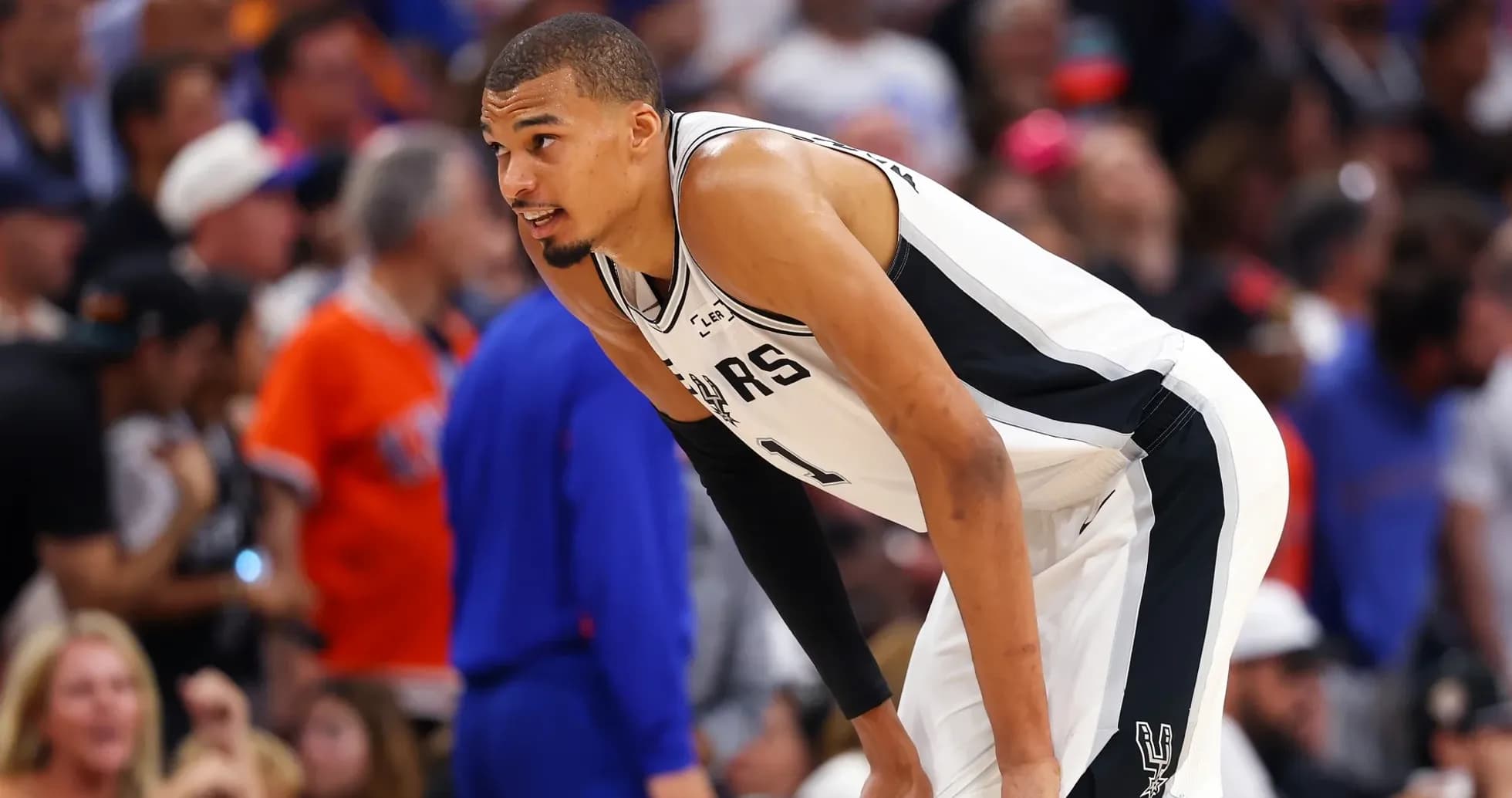
Fueled by an MVP finalist season from Victor Wembanyama, the Spurs stormed to a 62-20 record and returned to the NBA Finals. They didn’t finish the job, undone by blown leads against the Knicks. The scars from that series linger, but so does the sense that this is just the beginning.
Wembanyama sits at the center of everything. Humbled by falling short, driven by it, he now leads a rotation overflowing with young talent and playoff experience. The Spurs didn’t stand pat, either. They added more size and youth in Tarris Reed Jr. and Jayden Quaintance, big men who can be molded inside the franchise’s famed development pipeline.
They also made a move for right now. Tobias Harris arrives from a strong stint in Detroit, where he rebuilt his reputation and positioned himself for exactly this opportunity: a run at a ring. His polished midrange game and steady presence fit snugly alongside Wembanyama and the Spurs’ creators, giving San Antonio another reliable option in the half court when games slow down.
Bismack Biyombo, Kelly Olynyk, Mason Plumlee and Lindy Waters III depart, trimming some of the veteran big-man depth but clearing the way for the next wave.
The Spurs know the margins that separate champions from runners-up. They lived them last June. With Wembanyama hungry, Harris chasing his first title and a deep rotation growing together, San Antonio enters the new season not just as a contender, but as a team with unfinished business.
In a division full of fresh faces and new directions, the question hangs over the Southwest: who gets there first — the rising powers, or the team already knocking on the door?