Steve Ballmer Accepts NBA Sanctions Amid Clippers' Salary Cap Scandal
Steve Ballmer has stopped fighting.
After months of defiance, legal threats, and accusations of a “witch hunt,” the Los Angeles Clippers’ owner has formally accepted the sweeping sanctions handed down by the NBA for what the league called a deliberate scheme to circumvent the salary cap in a case tied to Kawhi Leonard.
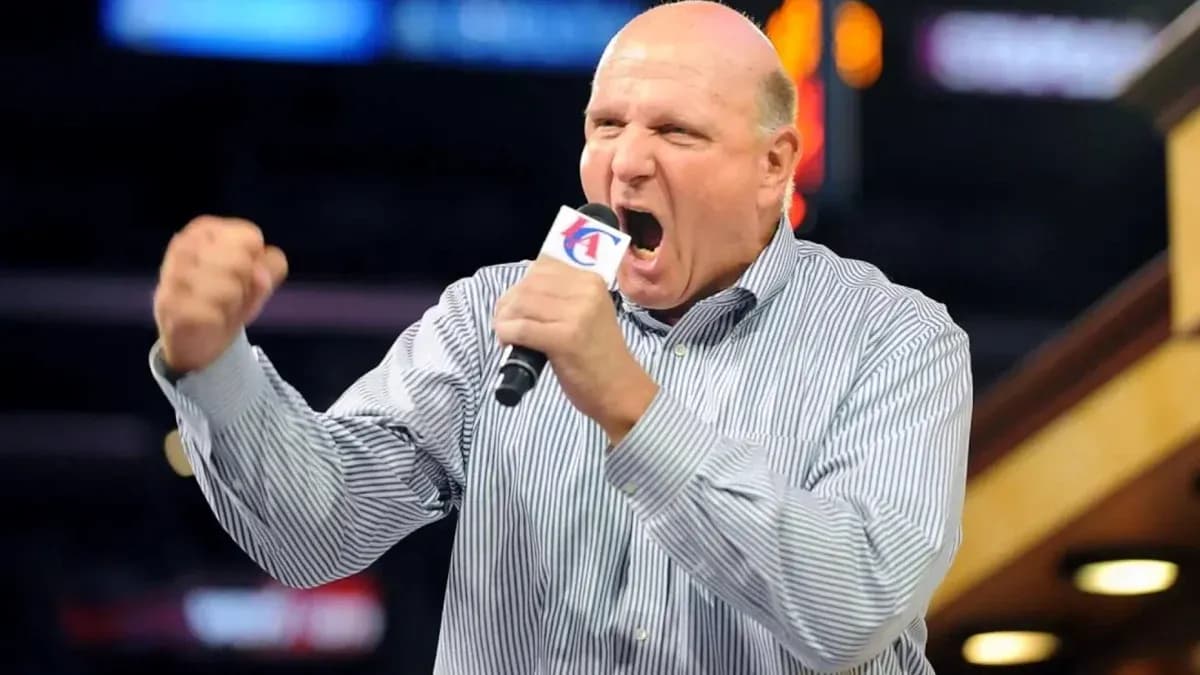
“It has been a very difficult time for everyone associated with the Clippers, and I deeply regret the situation,” Ballmer said in a statement, acknowledging the damage done. “I want to apologize to our fans, employees, and the other NBA team owners for the distraction and distress this matter has caused, and I take responsibility for it in my capacity as principal owner.”
The words mark a sharp turn from the franchise’s posture over the past year.
From Denial to Compliance
At the start of the month, the NBA dropped the hammer: the loss of five future first-round Draft picks, a $30 million fine, and a one-year suspension for Ballmer himself for violating rules designed to prevent teams from skirting the salary cap.
The league’s year-long investigation, the NBA said, “revealed a pattern of misconduct and multiple serious violations of the rules by the Clippers organization, which had previously already violated the salary cap rules.”
The Clippers initially came out swinging.
They flatly rejected the findings. The organization vowed to challenge the decision “through every avenue available to us.” In a letter to commissioner Adam Silver, Ballmer’s lawyer blasted the probe as a “witch hunt” and labeled the sanctions a “serious injustice.” Inside and outside the league office, it was clear: this was not going to be a quiet dispute.
Through the months leading up to the conclusion of the investigation, the Clippers held their line. No wrongdoing. Full expectation of exoneration. No hint of backing down.
That stance is now over.
“We Are Moving Forward”
In his Sunday statement, Ballmer made it clear the franchise has shifted from confrontation to damage control.
“We are determined to leave this chapter behind,” he said. “We have informed the NBA that we are complying with the sanctions imposed by the league, we have paid the fine, and we are moving forward.”
The key phrase: complying with the sanctions. The fight has ended, at least publicly.
Ballmer did not fully embrace the league’s version of events. He noted that “disagreements over the report’s conclusions persist,” a reminder that, behind closed doors, the Clippers still believe the punishment overshoots the evidence.
But he also acknowledged the cost of continuing the battle. The case had already dragged on for nearly a year. The franchise’s reputation took repeated hits. Every new detail about the investigation, every fresh reference to a “pattern of misconduct,” kept the Clippers in the headlines for all the wrong reasons.
At some point, even a billionaire owner with deep pockets and a combative legal team decides the war is no longer worth it.
A Franchise Under Scrutiny
The heart of the scandal sits at the intersection of ambition and regulation: the NBA’s salary cap, and the rules designed to stop teams from using off-book arrangements or hidden benefits to lure or retain stars. In this case, the league tied the violations to dealings involving Kawhi Leonard, one of the centerpieces of the Clippers’ push to transform themselves into a championship contender.
The NBA’s language was stark. Not a technicality. Not a minor oversight. A “pattern of misconduct” and “multiple serious violations” by an organization that, the league reminded everyone, had already crossed salary cap lines before.
For the Clippers, the competitive fallout is brutal. Five future first-round picks gone. A $30 million hit. A one-year suspension for the owner who has aggressively reshaped the franchise’s identity and invested heavily in its future.
The symbolism is just as sharp. The Clippers, long cast as the upstart challengers in a city dominated by the Lakers, now carry the stain of one of the league’s most serious recent rules cases. The pursuit of an edge crossed into forbidden territory, and the price is steep.
What Comes Next
Ballmer’s decision to accept the sanctions closes one chapter but opens another.
The Clippers must now operate under the weight of lost draft capital and the scrutiny that comes with being labeled repeat offenders in salary cap matters. Every move from the front office will be watched, every contract and negotiation dissected.
Inside the franchise, the message from the owner is clear: no more distractions.
Outside, the question lingers: can a team that has gambled so heavily on star power and long-term planning absorb this blow and stay on a championship track, or will this scandal define the Ballmer era as much as any playoff run ever could?