How Sweden’s Damallsvenskan Manages Talent Loss Amid Transfer Market Pressure
Sweden’s Damallsvenskan Faces Constant Player Departures
Once the top women’s league globally, Sweden's Damallsvenskan now frequently loses its best players to larger leagues during the season. Clubs face the challenge of rebuilding quickly while remaining competitive.
A Star-Studded Dream Team Lost
Christian Lundstrom, head of women’s football at Swedish champions Hacken, imagines a squad retaining stars like Real Madrid’s Felicia Schroder, Arsenal’s Stina Blackstenius, Lyon’s Johanna Rytting Kaneryd, and Manchester United’s Julia Zigiotti Olme. But with Damallsvenskan no longer the world’s best league—something it claimed about 20 years ago when Marta starred—the league serves as a talent pool for bigger competitions.
WSL Dominates Player Recruitment
The English Women’s Super League (WSL) has acquired more players from Damallsvenskan than any other league, bringing over 60 since summer 2022. Key names include Arsenal’s Blackstenius and Frida Maanum, Chelsea’s Nathalie Bjorn, Manchester City’s Rebecca Knaak, and Tottenham’s Olivia Holdt and Cathinka Tandberg.
But it’s not only England: FIFA’s recent transfer data shows Damallsvenskan received the highest fees in the 2026 summer window, earning $4.2 million (£3.2m) from just 30 transfers. The WSL followed with $3.97 million (£3m) from 95 deals.
Dealing With the Reality of Player Sales
Kristianstads’ Approach: No Surprises
Kristianstads DFF understands the cycle well. Lovisa Strom, part of the club’s sports group, explains they accept that some players will stay long-term while others join to develop before moving on. “We always calculate that we will lose players,” she says. Despite this, Kristianstads has finished in the top six in eight of the last nine seasons.
Planning Ahead Keeps Hacken Competitive
Hacken currently leads the Damallsvenskan despite losing key players in both the January and summer 2026 windows. Lundstrom says the club works “two windows ahead,” constantly evaluating potential signings for upcoming seasons, building shadow squads to prepare for inevitable departures.
The right squad balance matters too, mixing experience, youth, and academy prospects to ensure smooth transitions. This approach helps reduce disruption even amid frequent changes.
Hammarby’s Consistent Framework
Former Finland captain Eva Nystrom credits Hammarby’s success to a strong team framework and shared principles. “It didn’t really matter who played where because everyone knew what to do,” she says, highlighting how a clear team culture eases player turnover.
Contracts and Relationships Aid Stability
Longer contracts are becoming common in women’s football, enabling clubs to secure better transfer fees. For example, Felicia Schroder signed a long-term deal with Hacken before Real Madrid paid a near-record fee to acquire her a year later.
Lundstrom emphasizes good communication: “The idea is not to keep them here for four years; the idea is to sell them.” Strom adds that open talks mean players understand the possibility of moves abroad but also that clubs expect compensation for development.
Damallsvenskan Still Attracts Talent
Despite losing stars, the league remains appealing. Opta ranks it just below the US, England, Germany, Spain, and Italy leagues, placing it above France and other developing European leagues. Sweden’s strong UEFA coefficient ensures players gain European exposure.
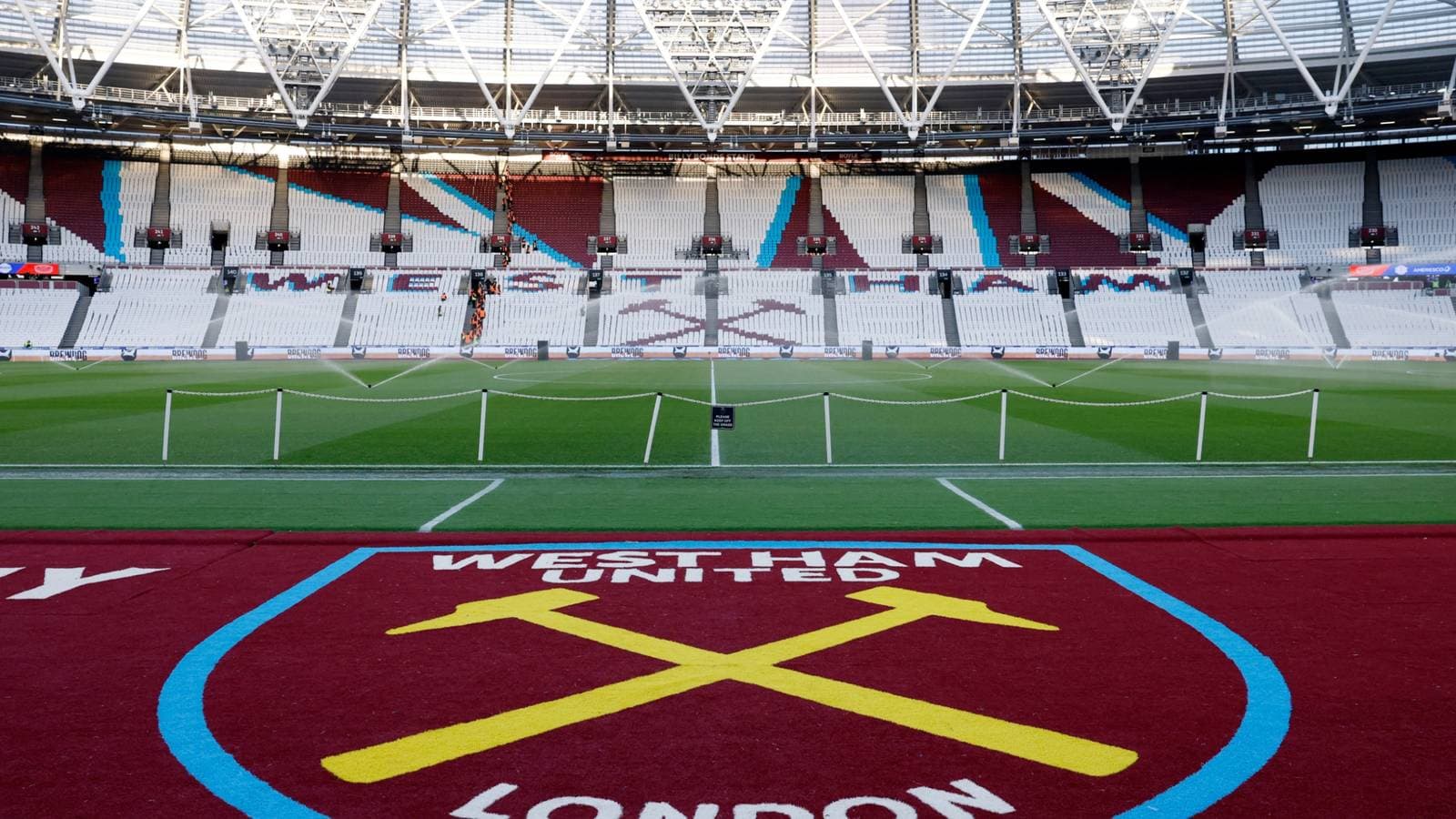
Nystrom, who moved from Damallsvenskan to West Ham, notes the league’s professionalism and access to European competitions help attract talent. Therese Sjogran, now at Manchester City, once called the Swedish environment a backbone for player development, suggesting the league will remain vital for growth despite financial challenges.
Unique Club Cultures Support Player Growth
Clubs promote their distinctive qualities to attract players. Kristianstads highlights player care and strong alumni connections, with former players like Evelyne Viens acting as ambassadors. Lundstrom points to Hacken’s history of developing talent as a recruitment strength.
Challenges Beyond Transfers
Transfer fees remain relatively modest outside rare cases like Schroder’s seven-figure move. Independent clubs like Kristianstads rely heavily on these fees, which are critical but seldom transformative.
Youth development is another challenge. About 80% of teenage players in the 2026 Damallsvenskan were homegrown, yet building and sustaining quality youth programs is costly and difficult. Rosengard’s Erling Nilsson points out the shortage of qualified coaches and limited funds to pay them.
Additionally, young talents leave earlier than before, with elite clubs like Barcelona and Lyon signing teenagers directly, bypassing intermediate steps through Swedish clubs.
Independent Clubs Face Extra Hurdles
In the 14-team Damallsvenskan, six independent clubs compete without men’s team backing. Rosengard faces competition from Malmo FF, whose men's club reestablished a women’s team rising rapidly to the top division. Nilsson wonders why young players would choose Rosengard over a famous club like Malmo FF.
Lundstrom acknowledges men’s affiliated clubs benefit from shared resources and financial security, making it tougher for independents. Kristianstads, one of the few profitable independent clubs, embraces a different strategy to survive and thrive.
A Changed Landscape With Hopeful Signs
It’s been over a decade since a Damallsvenskan team reached a Women’s Champions League final. Tyreso’s 2008 loss to Wolfsburg was soon followed by bankruptcy and the exit of big stars. While the league no longer holds the top spot globally, its clubs have gained financial stability and remain among the best talent developers, regularly supplying top teams worldwide.
Hacken and Hammarby contested the inaugural UEFA Women’s Europa Cup final in 2026, showcasing their continued European competitiveness. Hacken also recorded wins against Arsenal and Real Madrid recently.
Every member of the Sweden women’s national team has significant Damallsvenskan experience, suggesting the league’s role remains important. As Nathalie Bjorn puts it, “Something is done right in Sweden.”