Team USA Prepares for 2026 FIBA World Cup in Berlin
Berlin will be the center of the women’s game on Sept. 4, when the 2026 FIBA World Cup tips off and the sport’s biggest names converge on Germany’s capital. Sixteen nations, restored to the expanded field used for nearly three decades, will chase a title that has belonged almost exclusively to one program.
Team USA has ruled this stage, winning nine of the last 12 World Cups, including the last four. This time, the Americans arrive with a new head coach, a new generation of stars, and a familiar burden: anything short of gold will feel like failure.
Lawson embraces the target on Team USA’s back
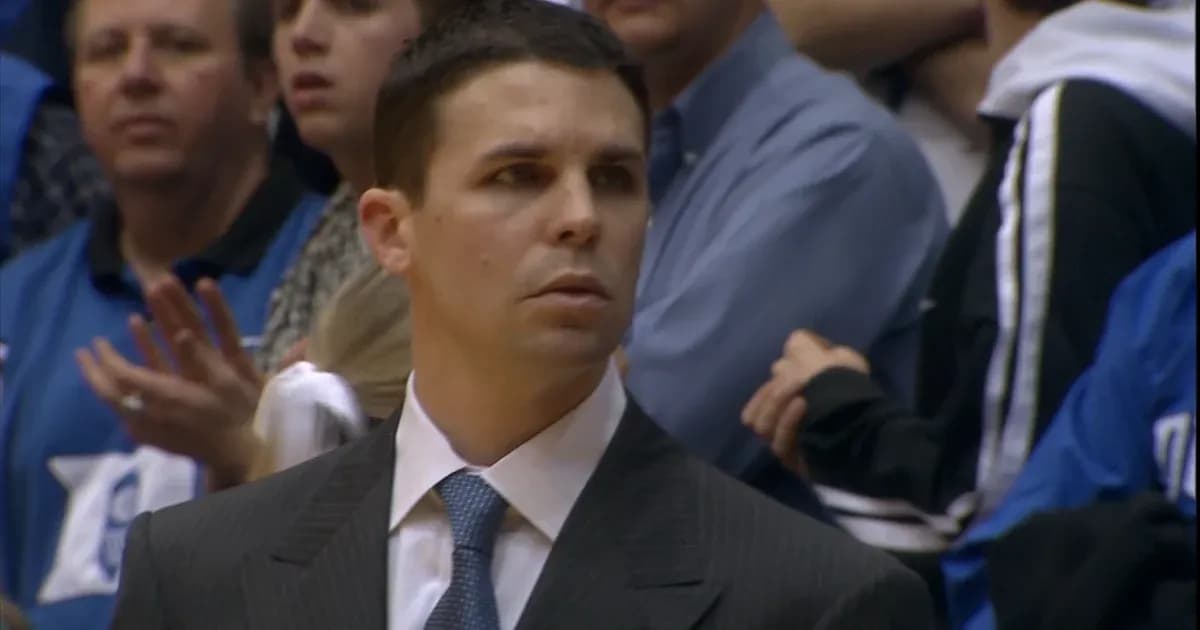
Kara Lawson has lived this tournament from both sides — as a guard who helped deliver gold in 2008, and now as the woman holding the clipboard. She knows exactly what kind of storm is coming.
“There’s no question that the world is improving at a rapid rate,” Lawson said, noting how often she sees that growth firsthand as Duke’s head coach. She tracks teenage prospects in FIBA competitions, watches the skill level spike year after year, and understands what it means for Berlin.
You can hear the respect in her voice, but also the relish.
She talked about rosters around the world now stacked with “high quality players,” about the depth that didn’t always exist at this level. In her view, this will be the hardest World Cup to win in USA Basketball’s modern era — and that’s exactly how she wants it.
“It should be hard to win. It’s a World Cup, you know?” Lawson said. The schedule is compact, the opponents are unforgiving, and every team arrives with the same job: win the thing. For the United States, that job comes with an edge. “We’re hungry, and we’re focused on trying to put our best performances on display and see if we can get the job done.”
No talk of entitlement. Just a coach leaning into the grind.
The Clark factor: pace, range, and a global spotlight
If the world has closed the gap, Team USA has answered with fresh firepower.
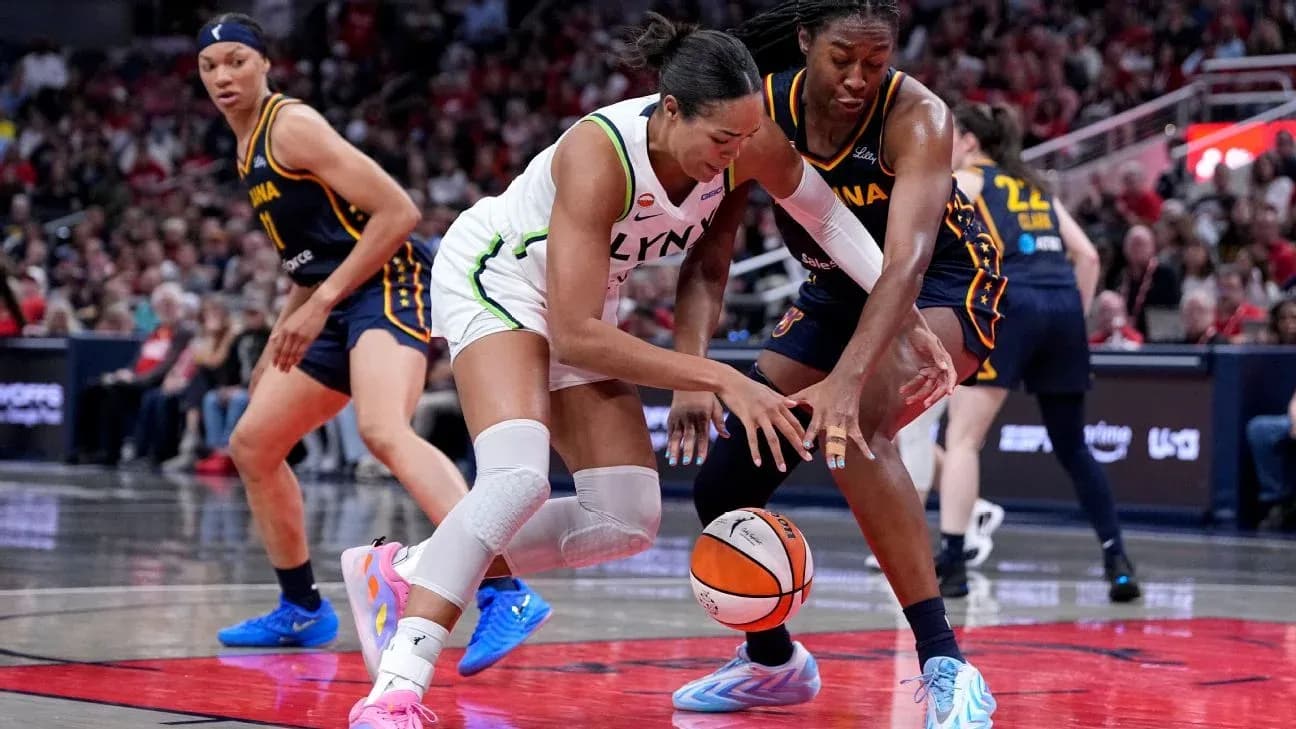
Caitlin Clark, already one of the WNBA’s most watched players in her rookie campaign with Indiana, now steps onto the global stage for the first time in a USA senior World Cup jersey. Lawson has seen her up close all summer.
“Caitlin’s focused,” she said. “She’s had a great campaign with Indiana… So she’s locked in and ready to go.”
Clark changes games with tempo and audacity. She stretches defenses well beyond the arc, pushes the ball into space, and toggles between scorer and playmaker in a heartbeat. Lawson believes that blend fits perfectly with the group she has in Berlin — a roster that can run, space the floor, and punish any defensive hesitation.
The intrigue lies in how opponents will handle her. In the WNBA, Clark already commands double teams, traps, and constant attention. FIBA defenses, with different rules and rhythms, may throw something else entirely at her.
“We’ll see if that’s the same,” Lawson said. “That’s another part of FIBA that we’ll have to see, since it’s her first time here, is how people defend her. Is it similar to what we see in the States, or is it a little bit different?” For now, she calls it “fact-finding mode” — but there’s no doubt about the expectation: Clark is here to impact every game.
New blood, same standard
Clark is not walking into Berlin alone. Angel Reese, Paige Bueckers, Kiki Iriafen and Sonia Citron are among the new faces who will make their World Cup debuts. It’s a wave of talent that has already reshaped the college game and is now being handed the keys to the sport’s highest international stage.
They were all on court together Tuesday, getting their first feel for a World Cup practice in USA colors. The names are fresh. The standard is not.
Lawson has spent the past few years at Duke proving she can build and sustain a winner, guiding the Blue Devils to back-to-back ACC titles and consecutive Elite Eight trips. In Berlin, she brings that same edge into a program she once helped as a player, now as its steward.
“The opportunity is an amazing one,” she said in August. For her, coaching Team USA is not just about tactics; it’s about lineage. She spoke of the pride in representing the country and “all the legends before us that played the game.” To move from being one of those players to taking “the helm of the program” is, in her words, “not a higher honor in our sport.”
No time to dwell on absences
The Americans will not be at full strength. Stars A’ja Wilson and Kelsey Plum are out of the World Cup, stripping the roster of two proven tournament winners and major offensive engines.
Lawson didn’t sugarcoat the emotional side of that loss. “We’ll miss being around them… We wish them both a speedy recovery,” she said. But she cut off any temptation to linger on what might have been.
“We don’t have time to be worried about who’s not here.”
The message is blunt: the group in Berlin is the group that matters. Chemistry, connection, and clarity will be built with the players on the floor, not the ones on the injury report.
A light start, a heavy mission
On Tuesday, Lawson finally stepped onto the World Cup practice court as head coach. No grand unveiling. No marathon session. Just a deliberate first step.
“We had a good day today,” she said. “It was a light day for us today. Just wanted to get a light sweat and get some things installed. Tomorrow, we’ll do a little bit more.”
The real work begins now. Install the offense. Sharpen the defense. Learn each other’s rhythms. Blend veterans and rookies into something ruthless and cohesive in a matter of days.
The rest of the world has closed the gap. The field is deeper. The margin for error is thinner.
Team USA arrives in Berlin without two of its biggest stars, but with a coach who has worn the jersey, a wave of new talent headlined by Caitlin Clark and Angel Reese, and a clear understanding of the stakes.
The dynasty isn’t guaranteed. It has to be defended, possession by possession, in a tournament Lawson calls the toughest yet.
The question in Berlin is no longer whether the world can challenge the United States.
It’s whether this new-look USA can raise its level again and keep the trophy in American hands.