Thomas Tuchel Embraces Chaos for England's Football Identity
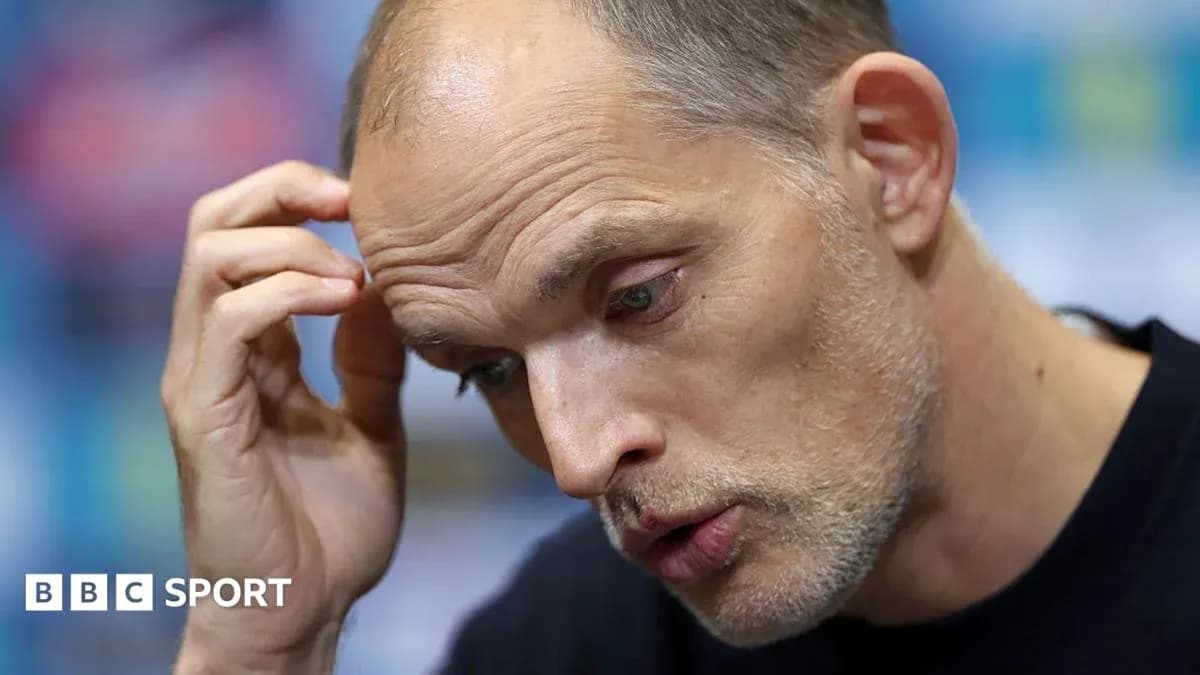
Thomas Tuchel walked out of the United States in July wanting control. Two months on, he’s talking about chaos.
England’s head coach used his first squad announcement since the World Cup to float a provocative idea: maybe this team needs to live closer to the edge.
“Embrace the chaos,” he said. From Tuchel, a coach defined by structure and detail, it sounded almost subversive.
From heartbreak to a new creed
England’s third-place finish in the US was their best World Cup showing since 1966, but nobody inside that camp has forgotten the semi-final against Argentina. Anthony Gordon put them in front. England then lost their grip on the game, and with it, their place in the final.
In the immediate aftermath, Tuchel blamed the defeat on a lack of control once his side were ahead. England had the advantage, but not the composure to manage it. That collapse has sat with him all summer.
Now, as four Nations League games loom, the message has shifted.
“Football is about adapting to situations and football without any control is sometimes hard to digest for a coach, if you look at the 6-4 against France,” Tuchel reflected, referencing the wild bronze-medal match in the US. “But people talk about it like it's one of their nicest experiences ever, to watch a football match, so maybe I have to compromise in my wish for control, for a little bit more chaos, embrace the chaos, and maybe it brings out the best.”
Controlled chaos. It sounds like a contradiction. For Tuchel, it’s starting to look like a plan.
A squad that whispers control
Listen to the words and you hear a coach flirting with risk. Study the squad list and you see something else entirely.
For the Nations League fixtures against Spain, the Czech Republic and Croatia, Tuchel has turned back to Trent Alexander-Arnold and Cole Palmer. Two of the most technically polished English players of their generation. Two footballers who bring order to frantic games.
Their recall screams control, not mayhem.
So do the inclusions of Bournemouth midfielder Alex Scott and Newcastle left-back Lewis Hall. Both are calm in tight spaces, both want the ball, both help you dictate the rhythm rather than simply survive it.
Tuchel talks about chaos, but he still selects players who can put a foot on the ball and slow the pulse of a match. That tension — between the idea and the reality — runs right through this squad.
What he seems to want is not anarchy, but elasticity. A team that can turn a game into a storm for 10 minutes, then put it back in a box.
A dash of unpredictability
There is, however, a spark of something wilder in this camp.
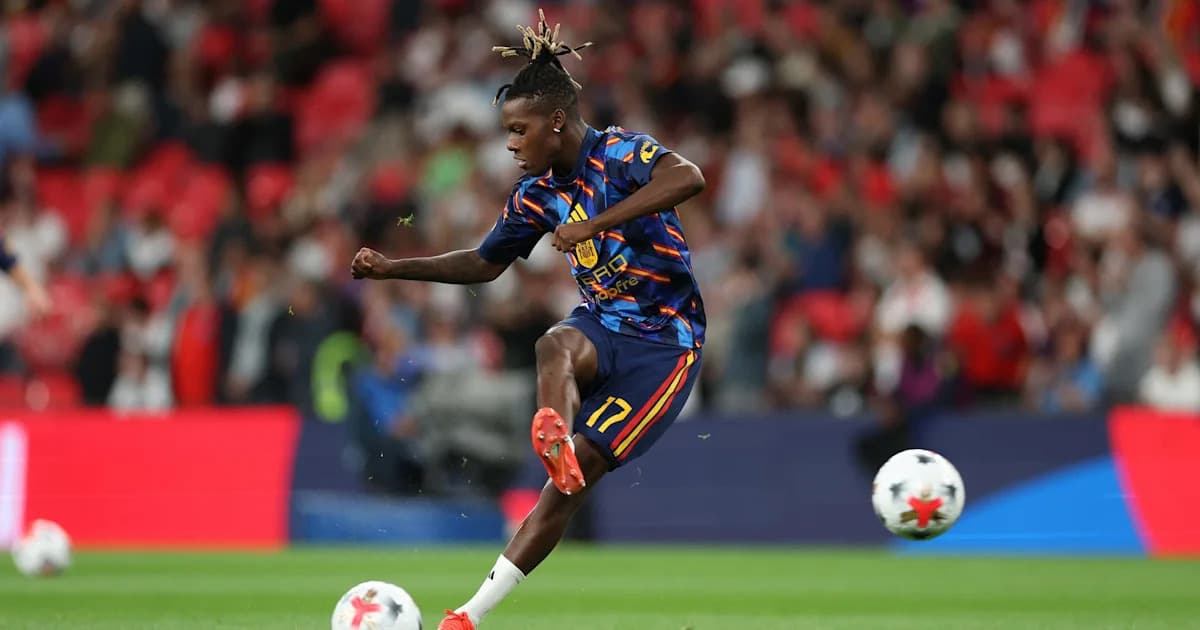
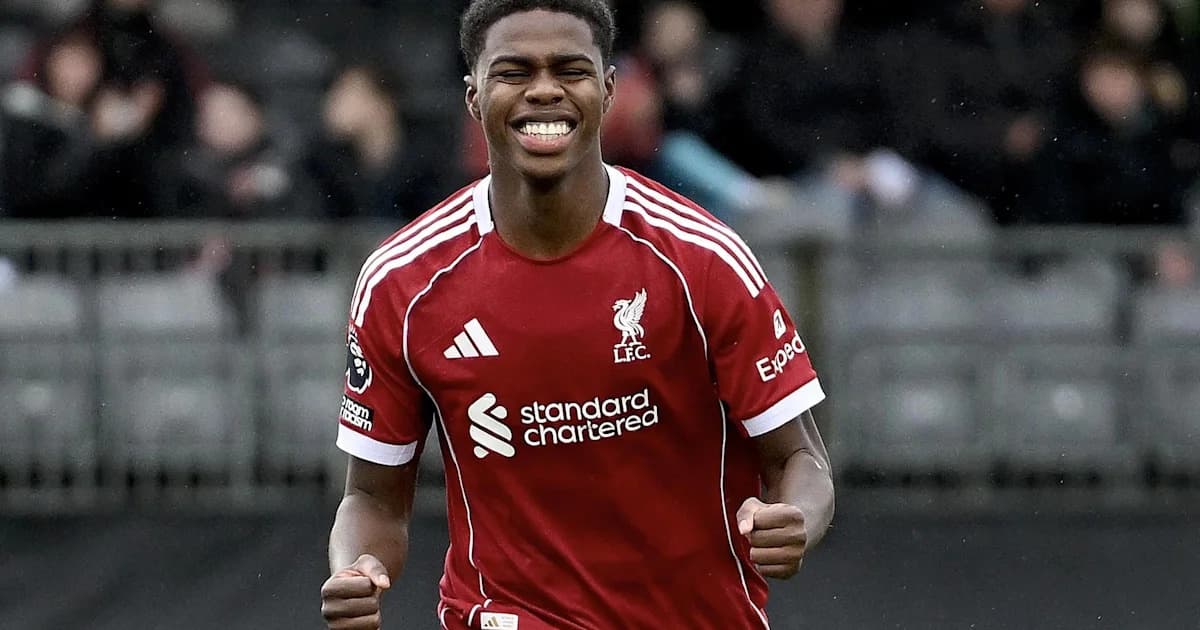
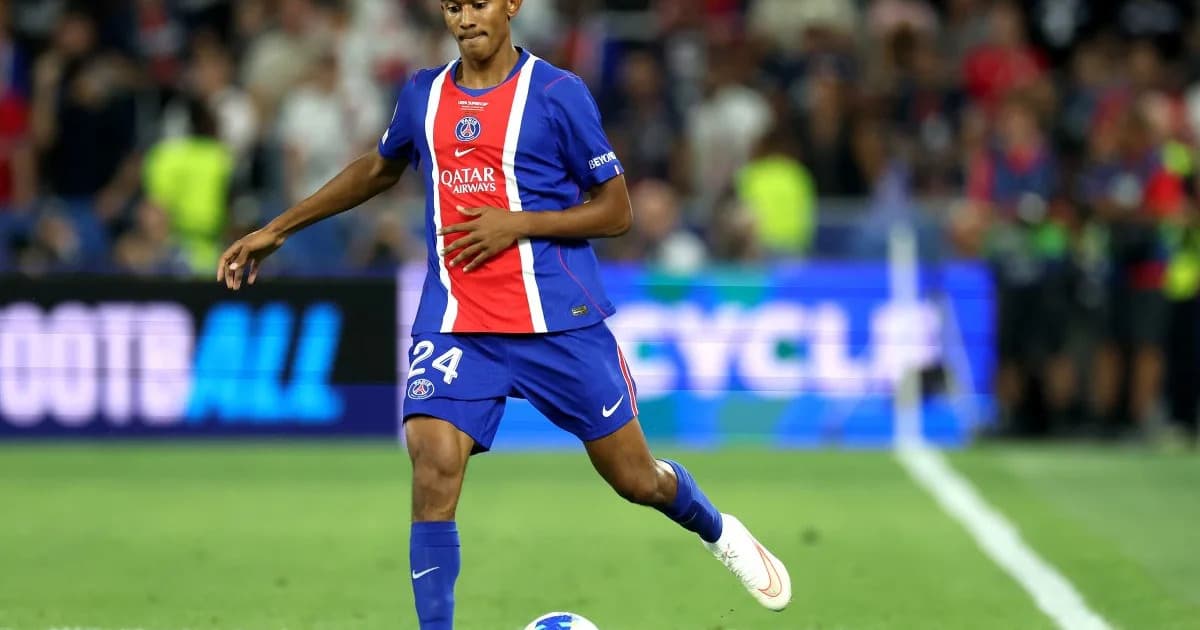
Rio Ngumoha’s first senior call-up gives England a fresh edge. The 18-year-old Liverpool winger has lit up the early season for Andoni Iraola’s side, gliding down both flanks, beating defenders, playing with a freedom that ignores the weight of the badge on his chest.
He brings exactly what Tuchel has hinted at: unpredictability. The kind of player who can turn a structured game into a street fight with one piece of skill.
Tuchel also revealed that Fulham attacker Josh King is close to a first senior call-up. Another sign that he wants more variety, more one-on-one threat, more ways to unsettle opponents who think they’ve solved England.
He is not ripping up the blueprint. He is trying to redraw the front line in bolder ink.
Tuchel’s balancing act
For all the talk of chaos, Tuchel is not about to send England out to play like a reckless Premier League side on a bad day. He wants the intensity, not the naivety.
Asked whether his team could mirror the Premier League’s high pace but with more control, he didn’t hesitate to outline the ideal.
“That would be the wish, that we become for 10 minutes a little bit more like Spain, here and there,” he said.
He then turned back to what England already do well.
“The more I reflect on it, it's maybe more buying into our strengths and play more minutes like we played the second half against Croatia, and more minutes like we played the first half against France, and buying into these strengths, because I think we get a lot of value out of it, we get a lot of connection to the fans, this is what the Premier League reflects.
“We are maybe not the most economical team to play football but this is maybe also a characteristic of the Premier League. The Premier League is not a very economical league, you have to play.
“You need to max out every single match otherwise you cannot compete for the title so this is something more beautiful. But this is where we are, where I am in my mindset and I think where the players are, so it's still a bit ambiguous.”
Ambiguous, yes, but not confused. Tuchel knows what he likes: intensity, emotion, a team that runs hot. What he is wrestling with now is how much control he is willing to sacrifice to keep that fire burning.
Core faith, familiar faces
Where there is no ambiguity is in his faith in the core of this group.
Tuchel pushed back on the idea that recalling Palmer and Alexander-Arnold amounted to an admission he had misjudged his World Cup squad. In his mind, the continuity would have been even stronger had injuries not intervened.
“Before we did the nomination in the last month, I thought we had more of a continuation of the World Cup squad but then a lot of members of our World Cup squad - Reece [James], Dan [Burn], Dean [Henderson], [John] Stones, [Jordan] Henderson, Djed Spence - can't be with us due to injuries, so it is not like a full continuation.
“These players were crucial for us in building the brotherhood, in building the spirit and taking care of the mentality that took us the long way in the tournament. We will not negotiate on that, we will not give in on that.
“So other players will step up, this is basically how I see this camp.
“My mindset at the moment is not to change too much within the formations.”
The shapes will look familiar. The demands will not soften. The “brotherhood” that carried England to third in the world remains the non-negotiable foundation.
Around that, Tuchel is tinkering with the dials.
Spain at Wembley, and a new test
The experiment starts in the harshest possible light.
England host World Cup winners Spain at Wembley on Saturday, 26 September. Then comes a trip to the Czech Republic on Tuesday, 29 September, a visit to Croatia on Saturday, 3 October, and a home rematch with the Czechs on Tuesday, 6 October.
Four games. One month. A Nations League campaign that will quickly reveal whether Tuchel’s idea of “embracing the chaos” is a slogan or a genuine shift in England’s footballing identity.
Control carried England deep into the World Cup. Chaos helped deliver one of the tournament’s most memorable games in that 6-4 against France. Tuchel now wants to walk the tightrope between the two.
The question is simple, and the answers will play out under the floodlights: can this England side learn to live in that space without falling off?