Thomas Tuchel on England’s World Cup Legacy
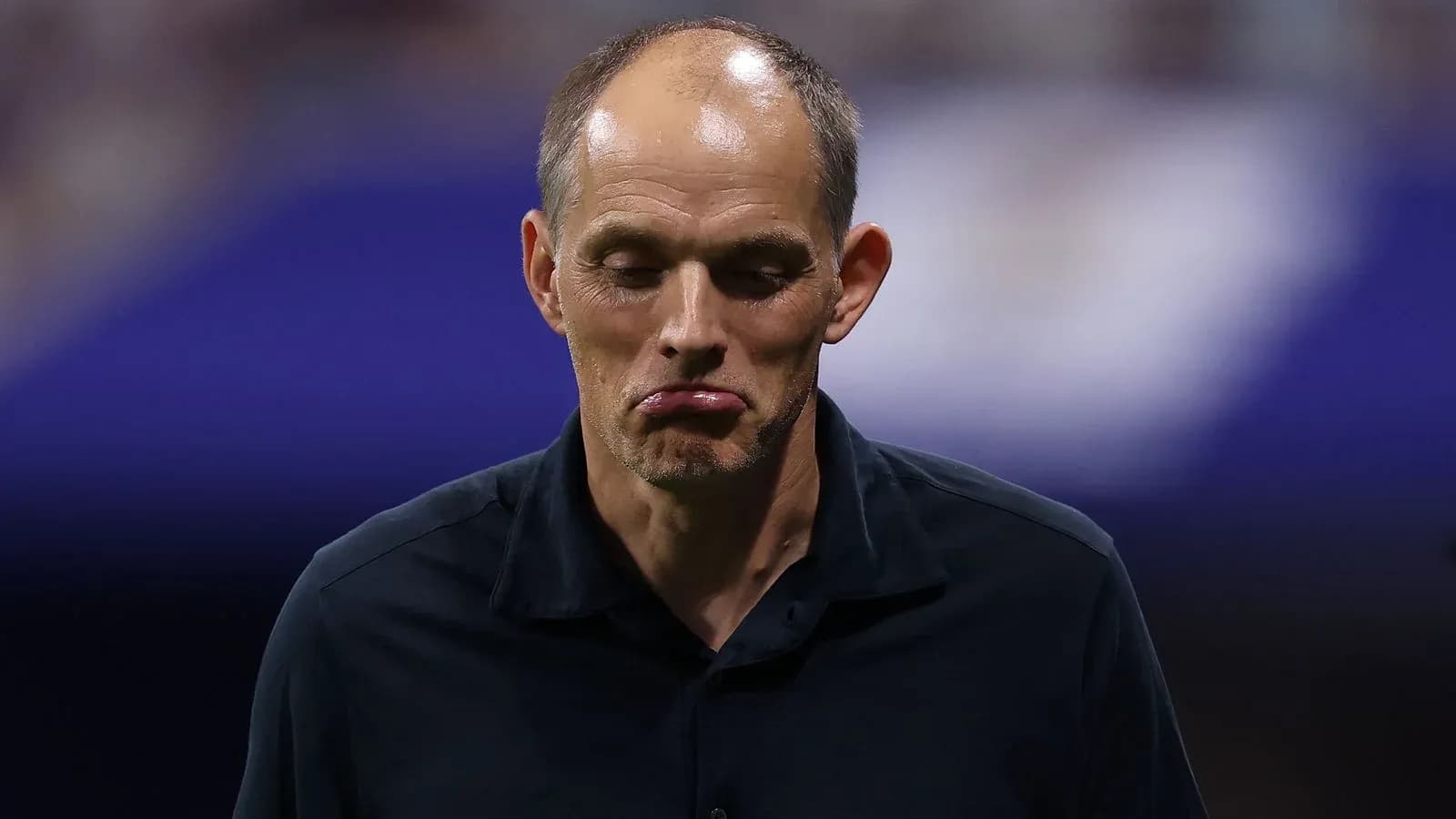
Thomas Tuchel insists England’s World Cup story is not about the substitutions.
The England head coach, still under the glare of that 2-1 semi-final defeat to Argentina, pushed back against the tactical post-mortem on Friday, arguing that supporters remember something very different from his controversial calls in the final half-hour.
“99.9 per cent of the fans don't talk about substitutions, tactical tweaks or tactical details,” Tuchel said. “They speak about where they watched the Mexico game, and they speak about the second-half energy of the Croatia match. They speak about how nerve-racking it was to watch our match against Congo and where they celebrated.”
For him, that is the legacy of the tournament. Not Enzo Fernandez’s late equaliser. Not Lautaro Martinez’s winner. Not the switch to a back five that left England sinking deeper and deeper as Lionel Messi’s side cranked up the pressure.
England had led through Anthony Gordon in the second half, a goal that briefly felt like a door opening on history. Then came the retreat. Tuchel sent on three defenders before Fernandez struck, a move that turned the final stretch into an ordeal of defending their own box. The dam finally burst. Argentina surged through it.
Tuchel knows exactly which decisions are under the microscope. He simply believes the bigger picture matters more.
“This is the feedback I get. This is what we created, and how it should be,” he said. “This is what a World Cup is for: to connect with people and give them experiences they do not forget.
“It makes me proud, it makes me happy. Even if it's just in a cab, at a coffee shop or in the supermarket, you share these little moments and understand that it actually meant something.
“It showed that what the players built was transmitted, and it's what we want to build on.”
A manager’s view that jars with the mood
Inside the FA review, Tuchel spoke about “beautiful” moments. The brotherhood of the squad. The way England responded to the semi-final heartbreak by beating what he described as “maybe the strongest squad in the world” in France to claim bronze. On paper, it was England’s best World Cup finish since 1966.
On the terraces and in living rooms, the memory feels different.
For many England fans, the defining image of this World Cup is that final 30 minutes against Argentina: a team that had the lead, had momentum, and then slowly handed both back. Tuchel’s defensive substitutions, the invitation to Messi and company to play in England’s half, and the sense of history slipping away yet again – that is the frame through which the whole campaign is judged.
Tuchel wants perspective. A semi-final and a third-place finish, building on the near-misses under Gareth Southgate, look respectable in any cold analysis. But he was hired precisely to turn “respectable” into “champions”, to take the last step that Southgate could not. The fact that the same old questions resurfaced – game management, in-game bravery, control under pressure – is what lingers.
There were high points. The win over Mexico, the nervy progression past DR Congo, the surge of energy against Croatia. Tuchel is right that those games stitched themselves into the national memory. Yet the sense of déjà vu around the exit remains. England led. England sat back. England paid.
Backed before Mexico – and beyond Argentina
Tuchel also revealed that his future had effectively been settled long before Martinez’s winner curled past England’s goalkeeper.
“I felt the full support from all my bosses through the whole tournament,” he said. “Before the Mexico game they told me we know anything can happen in a football match but don't worry, we can see what's going on.
“I felt this kind of freedom to take my choices and coach freely. There was never a doubt in my mind we'd continue together and there was clearly never a doubt in their mind. Reflection is sometimes necessary to get better and experience is a crucial part.”
That backing shaped his approach. He coached as a man who knew he would be around to deal with the consequences. The substitutions against Argentina, now dissected from every angle, were made by a manager not fearing the sack but trusting his own blueprint.
The FA have doubled down on that trust. Tuchel, armed with the lessons and scars of this World Cup, stays in place, already reshaping his squad with bold calls and high-profile recalls. The debate over his judgment will not fade quickly, but the next tournament will offer only one test that truly matters.
Can he turn “beautiful moments” into a winning finish when it counts most?