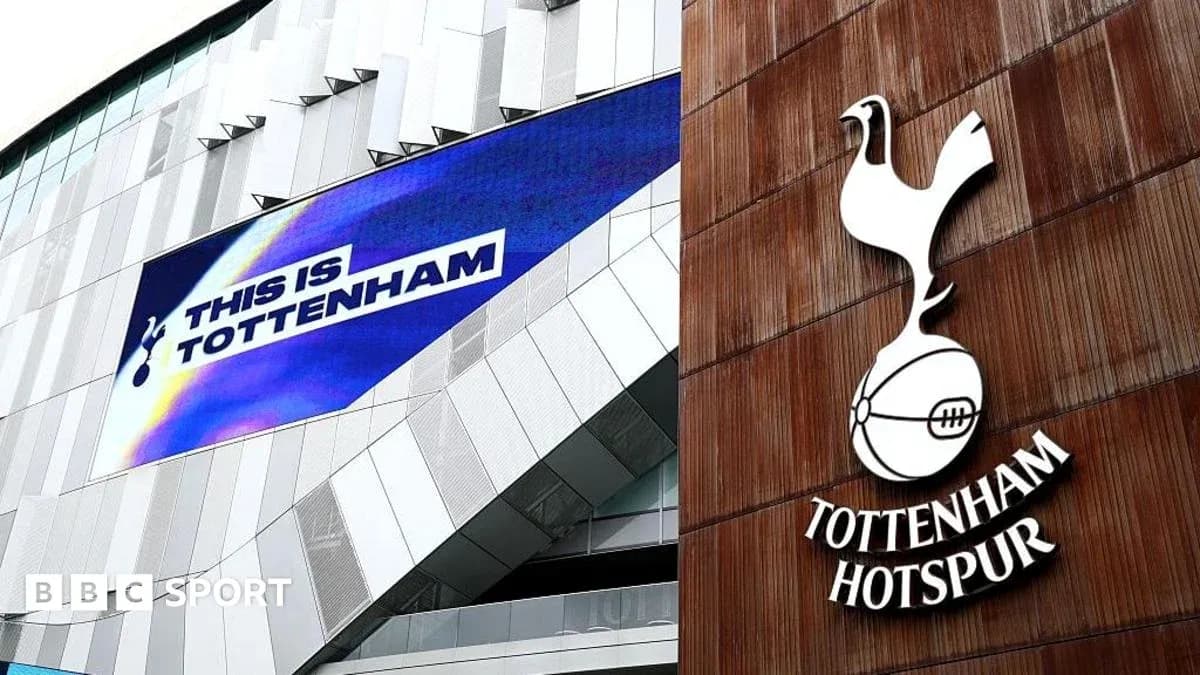
Tottenham Hotspur Stadium: A Unique Brand-Free Venue
Tottenham’s billion-pound home still stands apart on the Premier League skyline.
In an era when stadiums are routinely wrapped in corporate branding, Tottenham Hotspur Stadium remains defiantly bare. No airline. No bank. No telecom giant. Just the club’s name above the door, five years on from its official opening in 2019.
Across the division, eight of the 20 Premier League clubs now play at grounds carrying a sponsor’s name. Arsenal at the Emirates Stadium. Manchester City at the Etihad Stadium. Deals that have become part of the fabric of English football’s modern era.
When Tottenham’s gleaming new arena opened in the closing months of the 2018-19 season, few expected that to last. The assumption was simple: enjoy the “Tottenham Hotspur Stadium” label for a short while, then watch it quietly morph into a branded moniker once a lucrative naming-rights package landed.
That moment has never arrived.
Seven years after leaving White Hart Lane and bedding into their vast north London home, Spurs still operate one of the country’s most advanced multi-use venues without a title sponsor. The ground has become a regular stop for major concerts and the NFL, a showpiece built as much for global events as for Premier League football. Yet the name remains stubbornly clean.
The club insist this is not a sign of inertia. No significant breakthrough has been made on a stadium sponsor, but the search is very much alive, framed as a crucial piece of Tottenham’s long-term financial strategy.
“Increasing our revenues through commercial partnerships is crucial for us to be able to remain competitive while staying in the boundaries of financial rules,” a Tottenham spokesperson told BBC Sport.
The message is clear: naming rights are not a vanity project, they are part of the economic engine required to keep pace with the elite.
Spurs argue that any future sponsor would be buying into far more than 19 league fixtures and a handful of cup ties. The club highlight that the stadium holds rights to host up to 30 major non-football events per year, a calendar that boosts the commercial weight of any naming-rights agreement and broadens the appeal to global brands.
The pressure to monetise is obvious. So is the club’s reluctance to sell at any price.
Tottenham stress that a sponsor must fit. “We are in a highly competitive industry alongside a number of clubs with similar ambitions, and we will only look to partner with the most-respected, renowned brands that align to our club values and can bring something to our fan experience,” the spokesperson added.
That stance narrows the field. In a market where many clubs have long since cashed in, Spurs are pitching themselves at the very top end, waiting for a partner that can match the scale of the project and the image the club want to project.
At the same time, they are not standing still commercially. The club have launched “The Collective” – a new sponsorship programme aimed at delivering bespoke activations in every stand at Tottenham Hotspur Stadium. Sports Illustrated have signed on as the first of those partners, a signal that Spurs are willing to innovate around the main naming-rights asset while they hold out for the right deal.
So the stadium stays as it is: Tottenham Hotspur Stadium, a rare slice of brand-free real estate in a hyper-commercialised landscape, even as the club quietly court the kind of global name that could reshape their revenue streams for a generation.
The question now is how long that purity lasts in a race where financial firepower so often decides who can truly compete at the top.