Transfer Window Reflections: Balogun, Camara and Arsenal's Rivals
The transfer window slammed shut with more questions than answers for several ambitious clubs, a flurry of late calls and collapsed negotiations leaving a lingering sense of unfinished business.
Balogun and Camara: Deals That Never Landed
All eyes had been on potential moves for Folarin Balogun and a deal involving Camara, but deadline day delivered frustration instead of fireworks. Talks dragged on, options were explored, and space was cleared in squads and wage bills. The payoff never came.
Balogun’s situation encapsulated the chaos. A proven finisher, a player entering the prime stretch of his career, and yet the final hours turned into a maze of valuation gaps and strategic hesitation. Clubs circled, some pushed, none went far enough. By the time the window closed, the forward was still in place, his future postponed rather than resolved.
Camara’s proposed move followed a similar pattern. There was interest, there were conversations, and there was a clear tactical role waiting for him. What there wasn’t, in the end, was an agreement. The numbers, the timing, the risk calculations – one element always seemed to fall just short. The deal faded as the clock ticked down, another “almost” on a day built on brinkmanship.
These weren’t just missed signings. They were missed chances to reshape midfields and attacks, to change dressing-room dynamics, to send a statement. Instead, the message was more muted: plans will have to be reworked from within.
Have the Chasers Done Enough to Hunt Down Arsenal?
Arsenal set the standard last season with depth, structure and a clear identity. The obvious question now: did the supposed title rivals do enough in this window to truly close the gap?
Some added firepower. Some added control. Others focused on shoring up fragile back lines. On paper, several squads look stronger, deeper, more balanced. But the gap to Arsenal is not just about talent. It’s about cohesion, continuity and the ability to grind through the winter stretch without losing shape or nerve.
The contenders have made moves that suggest ambition, but not all of them landed their primary targets. Some clubs pivoted to second or third options. Some kept faith with existing cores, gambling that tactical evolution would bridge what the market could not.
The reality is blunt: to catch Arsenal, “better” is not enough. Rivals needed transformative. They got incremental. The season will reveal whether those marginal gains can turn into a sustained challenge, but as the window closes, Arsenal still look like the team others must solve, not the other way around.
Norris, Piastri and a Subtle Shift in F1 Power
Away from the pitch, the Norris deal sent a clear signal in Formula 1. Locking in Lando Norris underlines faith in his trajectory and the project built around him. Stability at the top of the driver hierarchy is no small decision.
For Oscar Piastri, the message is sharp but not necessarily negative. Norris’ commitment raises the bar. It frames Piastri’s role as the young charger who must not just keep up, but push, unsettle, and demand equal footing through performance, not reputation.
This is how modern F1 teams operate: long-term bets on a lead driver, with an emerging talent forced to turn potential into points. The Norris deal doesn’t close a door for Piastri. It defines the challenge. Beat the benchmark in the same car, and the team’s future tilts his way. Fall short, and the hierarchy hardens.
Troy’s Premier League XI: Form Over Reputation
Troy’s Premier League team of the week cut through the usual noise and big-name bias. The selection leaned on impact, not marketing value.
Those who made it into his XI did so by dictating games, not just decorating them. Hard-running midfielders who snapped into tackles and kept the ball moving. Defenders who read danger early and won their duels. Forwards who turned half-chances into match-defining moments.
It was a reminder of how quickly narratives can shift in this league. One dominant performance can haul a player into the spotlight. One flat display can push another out of the conversation. Troy’s choices reflected that unforgiving reality.
From Under a Bus to the Octagon Door
Away from football and F1, another story cut through the sporting noise with sheer human grit. A man dragged 60 feet under a bus, facing injuries that would end most athletic dreams, is now fighting for a UFC contract.
The journey from hospital bed to training camp is not a neat, inspirational soundbite. It’s pain, rehab, doubt, and a stubborn refusal to accept limits. Every session is a confrontation with what happened to him and what he still believes he can become.
Winning a UFC deal would be remarkable. Reaching this point already is.
Monza’s Long Memory
As the Italian Grand Prix returns, Monza once again pulls F1 back into its history. The images through the years tell the story better than any press release: slipstream battles, title-defining wins, heartbreak in front of the tifosi.
This is a circuit that exposes both cars and drivers. No hiding behind strategy alone, no easy disguises. Speed, nerve and precision decide everything. The photos from past races show the same thing over and over – Monza punishes hesitation.
Messi’s Near-Miss with History
Lionel Messi’s decade of dominance feels inevitable in hindsight. It wasn’t. At several points, the path could have broken: injuries, early doubts, tactical misfits, the crushing weight of expectation.
The story of how that dominance almost never happened adds depth to the highlight reels. Behind the numbers and the trophies lies a career that required delicate management, faith at critical moments, and a player willing to adapt and evolve rather than simply rely on talent.
The records will stand in the books. The fragility behind them lives in the memories of those who watched the turning points up close.
Robinson, Australia and a Tactical Edge
Robinson’s success owes plenty to a specific tactical influence from Australia. Not a vague stylistic nod, but a clear blueprint: structure off the ball, clarity in roles, and a readiness to embrace hard, unglamorous work.
That framework allowed his strengths to surface more often, and under pressure. Players talk about systems unlocking them; in this case, the system didn’t just unlock, it demanded. Robinson responded, and his game rose with it.
From Playing Serena to Chasing Her
One athlete went from portraying Serena Williams on screen to trying to follow her path on court. It’s a leap from controlled, scripted performance to the raw, exposed reality of elite sport.
Acting allows retakes. Tennis does not. Every double fault, every missed line call, every tight tiebreak is live, unforgiving, and permanent. Choosing that path after tasting the security of film work speaks to a particular kind of ambition.
Following Serena is an almost impossible standard. That’s precisely what makes the attempt compelling.
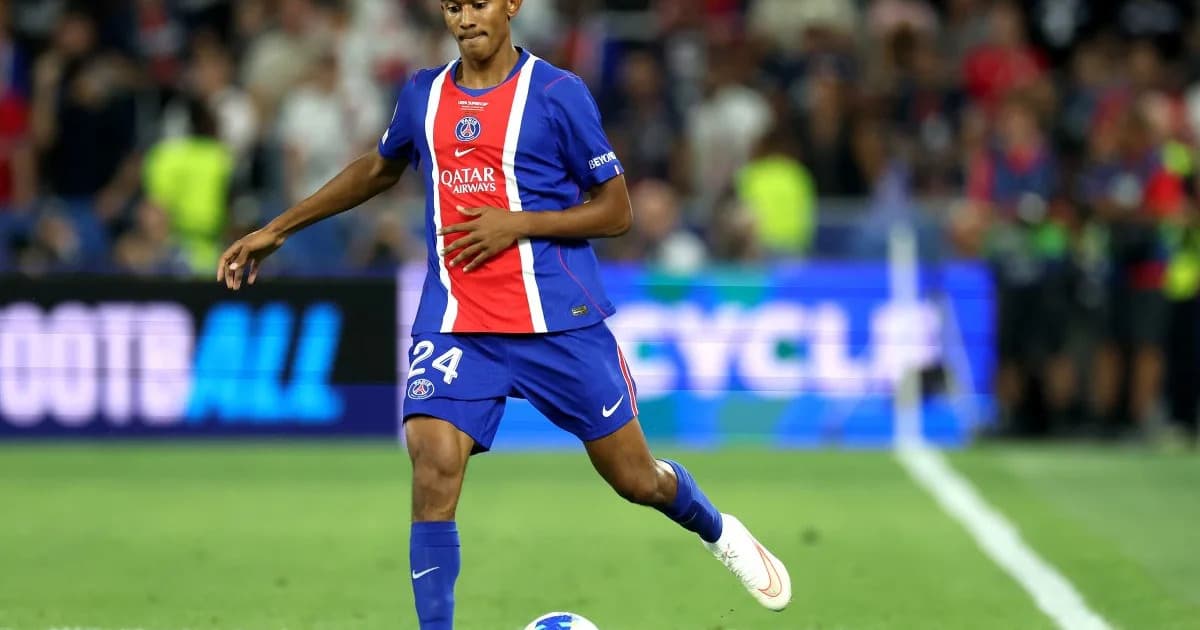
Barcola, the ‘Grasshopper’ Who Refused to Break
Barcola, nicknamed the “grasshopper,” carries a story built on setbacks. The tag hints at his movement, his lightness, but the real tale lies in how often he had to bounce back.
Knocks, doubts, and stalled progress could have turned him into another lost prospect. Instead, he kept leaping at the next chance. Each return added a layer of resilience to the flair already in his game.
Now, when he stretches defences and glides past markers, it’s not just technique on show. It’s survival.
Infantino, Uefa and a Fault Line in Football Power
At the top of the sport, tension continues to simmer. Division, drama and raw power define the relationship between Gianni Infantino and Uefa.
This is not a polite disagreement over minor reforms. It’s a struggle over who truly shapes the future of the game – who controls competitions, revenue streams and the direction of global football.
Every public statement, every quiet meeting, every leaked document feeds into that wider contest. Domestic leagues feel the ripple effects. Clubs feel them in their calendars and their finances. Players feel them in the relentless demands placed on their bodies.
The window may have closed, but the real negotiations – over the very structure of football – are only getting started.