Trent Alexander-Arnold's Potential Liverpool Reunion: Dream or Reality?
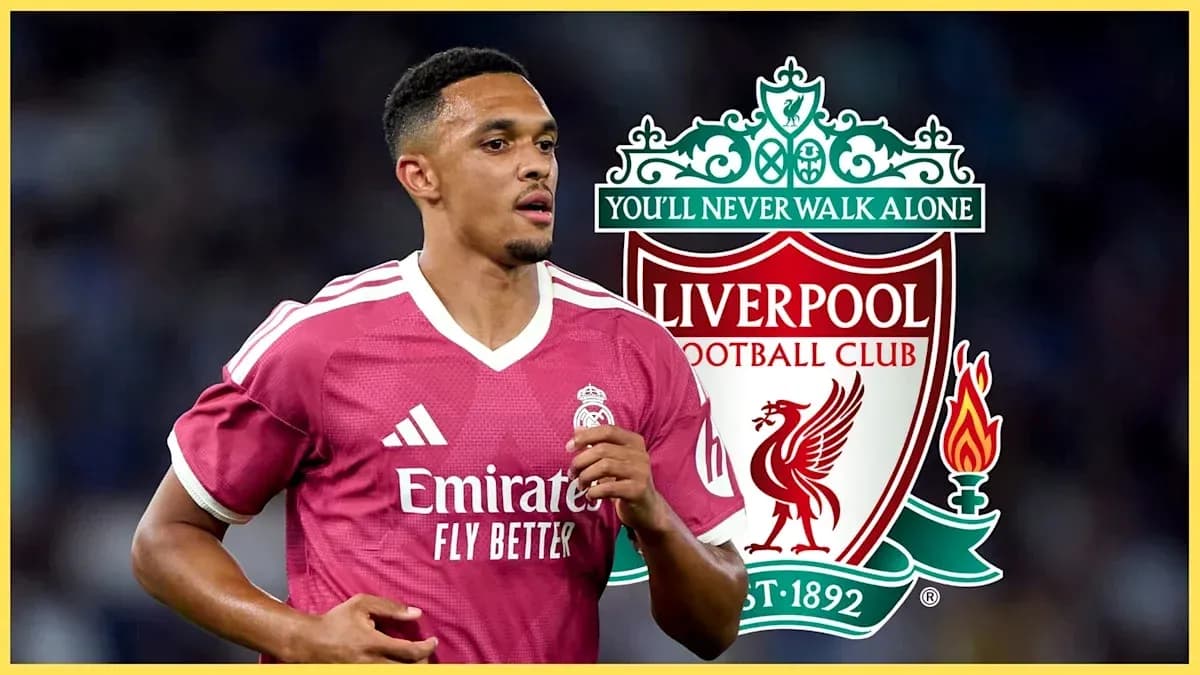
The idea tugs at the heartstrings. Trent Alexander-Arnold, the local lad who grew into a Champions League winner at Anfield, walking back through the Shankly Gates after a spell at Real Madrid. A story made for the back pages and the banners on the Kop.
Right now, it remains exactly that: a story.
A claim from a reputable source on X has thrown up the prospect of Alexander-Arnold returning to Liverpool this summer, with the move hinging on the Reds striking an agreement with Real Madrid. The fullback left his boyhood club at the end of his contract in 2025 and has since been battling for minutes as a backup right-back in the Spanish capital.
On paper, the pieces line up neatly. In reality, the numbers don’t.
The romance vs the reality
Liverpool’s summer is already financially stretched. The club still needs to properly reinforce the forward line, and there is scope – if not outright need – for another midfielder. Dropping a significant fee on a right-back who left on a free a year earlier would cut directly across those priorities.
That is why serious doubt hangs over any permanent deal before deadline day. The budget simply does not stretch that far without something giving way elsewhere in the squad.
There is, however, one sliver of a scenario that keeps the conversation alive. If Real Madrid were prepared to sanction a loan, treating Alexander-Arnold as a player who needs rhythm, confidence and minutes, Liverpool might at least be able to sit at the table. A temporary return, with the Reds effectively tasked with playing him back into form, is the only route that currently makes any kind of sense.
Anything else would be a financial contortion act.
The hole Trent left behind
What is not in doubt is the footballing logic. Liverpool have not truly replaced what Alexander-Arnold brought to their build-up play.
The team’s progression from the back has taken a hit since he departed. His ability to thread line-breaking passes from deep, to turn defence into attack with one swing of that right foot, gave Liverpool a unique outlet. It was not just long diagonals or Hollywood balls; it was the constant threat that he could split a compact press with a pass few others would even see.
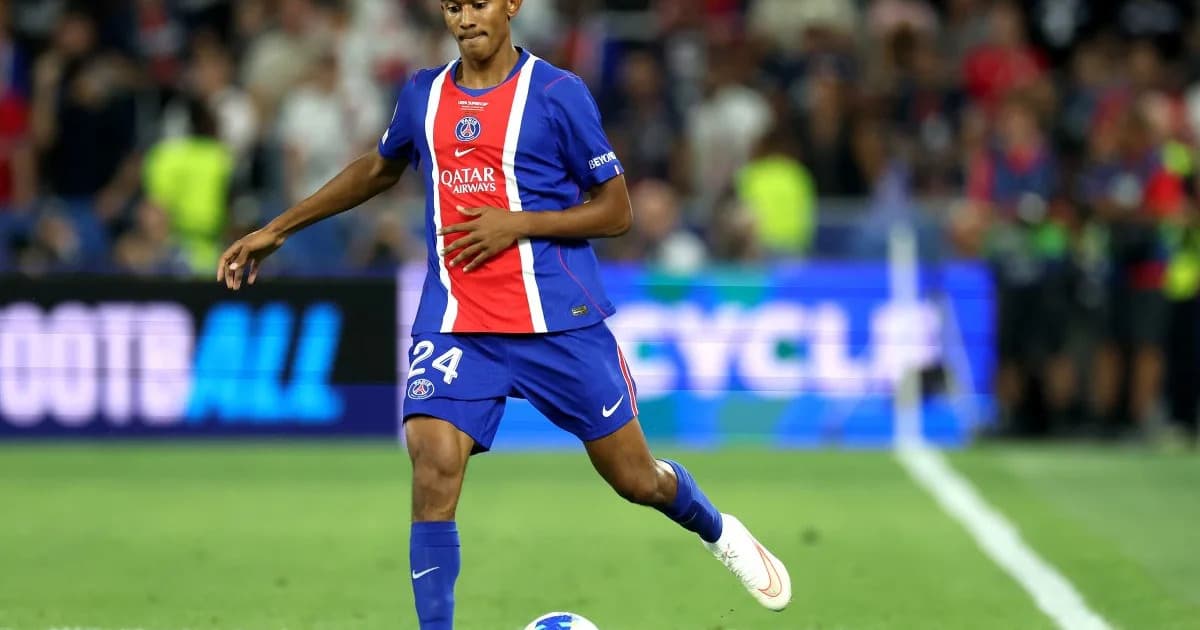
Jeremy Jacquet offers a glimpse of that quality from centre-back. His passing through the lines, as seen against Newcastle, hints at a defender comfortable stepping in and dictating. But he is still learning, still nowhere near the level Alexander-Arnold reached as Liverpool’s No.66.
Jeremie Frimpong brings something different again. The Dutchman drives forward with menace, carries the ball at speed and forces defenders into mistakes. He is a major threat in terms of ball progression through running power, but he does not possess Trent’s superpower: that surgical delivery from deep that rearranges an opposition block in an instant.
Liverpool have replaced the profile of the right-back. They have not replaced the playmaker in disguise.
A new Liverpool, built from the wings
The recruitment strategy underlines that shift. The pursuit of Bradley Barcola and interest in wide players such as Yankuba Minteh at Brighton show where Liverpool’s eyes are trained: pace, width and creativity on the flanks.
This is a side being reshaped to hurt teams from the outside in. Speed on the wings, direct dribblers, wide forwards who can stretch the pitch and isolate fullbacks – that is the new blueprint.
Behind them, the structure is evolving too. The Reds are intent on a double pivot in midfield, a system that spreads the responsibility for build-up and protection of the backline across two deeper midfielders. They are asked to screen, to recycle, to plug gaps when fullbacks push on, and to share the load in starting attacks.
The backline still has a key role in progression. Centre-backs are encouraged to punch passes through midfield when the lane appears, as Jacquet has already shown. If the pass is not on, defenders are given licence to carry the ball into space and commit the first line of pressure.
It is a more distributed model, less reliant on one fullback acting as a quarterback. That is partly tactical evolution, partly necessity after Alexander-Arnold’s departure.
And yet, the thought lingers. Drop Trent back into this structure, with runners ahead of him and a stable double pivot inside, and the picture changes again. Suddenly those wide forwards have a supply line they recognise. Suddenly the opposition back four cannot ignore the man on the ball 60 yards from goal.
A dream that needs Madrid’s help
For now, though, the dream is boxed in by cold reality. Liverpool are prioritising pace and width, fine-tuning a new system and operating within clear financial limits. Real Madrid hold the contract, the leverage and the final say.
Unless Los Blancos decide that a loan move suits them – a low-risk way to restore value to a high-profile backup – Liverpool’s reunion with their homegrown creator remains more fantasy than plan.
The Kop might be ready to sing his name again. The question is whether this new Liverpool, and a Real Madrid in no rush to give away assets, will ever let that chorus become more than nostalgia.