Tyson Fury vs Anthony Joshua: Cardiff's Late Night Challenge
Cardiff is bracing for a heavyweight collision on 11 December – and not just in the ring.
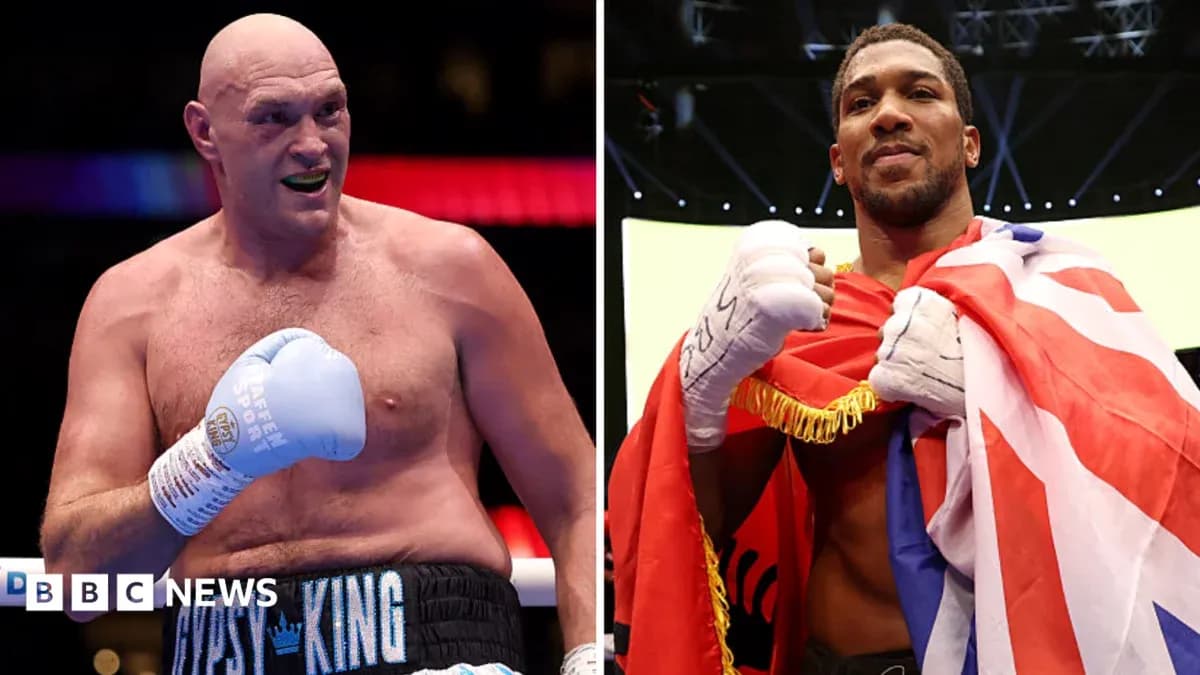
The long-awaited Tyson Fury v Anthony Joshua showdown at Principality Stadium is scheduled to run deep into the night, with the event expected to finish at 03:00 GMT to hit prime-time television slots in the United States. For broadcasters and promoters, that timing is gold. For people living in the shadow of the stadium, it looks more like a sleepless ordeal.
Their concerns have now dragged the bout into a different arena: the council chamber.
Title fight, late night
Principality Stadium, sat in the heart of Cardiff city centre, operates under a 01:00 curfew when the roof is closed. Stadium bosses have asked Cardiff Council to stretch that limit, seeking permission for licensed activities – alcohol sales and music among them – to continue until 03:00 on 12 December, with the venue staying open until 03:30.
That request has triggered a formal process under the Licensing Act 2003. A 28‑day consultation window has opened, inviting residents and businesses to support or challenge the plans on grounds such as crime and disorder, public safety, public nuisance and the protection of children from harm.
Enough objections have landed for the council’s licensing subcommittee to be called in. It meets on 25 November. At stake is whether one of the biggest fights in recent British boxing history keeps its US-friendly start time – or has to compromise with the city that will host it.
Residents in the firing line
The stadium’s central location is usually a selling point. Pubs, hotels and restaurants are within a short walk. Trains and taxis funnel supporters in and out. On a normal big night, the city hums.
But people also live there.
One resident who lives directly opposite the ground wrote to the council backing the fight in principle, but only if stricter safeguards are bolted on “to protect residents living immediately around the stadium”.
“My representation relates to the prevention of public nuisance and the prevention of crime and disorder,” they told the authority.
Their demands are specific: a clear dispersal plan for the surrounding streets, stewards on duty until crowds have fully cleared, no amplified music outside the stadium after midnight, and street-cleaning completed by 08:00 on 12 December.
Others are less accommodating. Three more residents have written to urge the council to throw out the application entirely, warning that “noise and late-night disturbance” will roll on long after the final bell.
“Music, amplified sound, large crowds, shouting, vehicles, taxis and people leaving the stadium can all result in disturbance continuing well into the early morning,” one objector said.
Another, with young children, predicted “absolute chaos for those of us living right next to it” if thousands spill out at 3am.
“Shouting and singing” in the early hours, they said, would “completely wake the whole house up and leave us with exhausted, stressed children”.
Boom for business, strain for the city
Not every voice in the consultation is raised in protest.
Some correspondents have urged the council to wave the application through, pointing to the financial upside. One supporter argued the fight would deliver a “significant economic boost” for businesses across Cardiff, from hotels and restaurants to late-night bars.
Another highlighted the potential tourism dividend, suggesting that hosting Fury v Joshua on US-friendly terms could lure more American visitors to the city and put Cardiff on a bigger international stage.
That tension – between a one‑night bonanza for the local economy and the disruption it brings to people’s front doors – now sits squarely in front of the licensing panel.
Global stage, local rules
This is not uncharted territory for Cardiff. The Principality Stadium already has form for staging late-night boxing to suit US broadcasters.
In 2007, Joe Calzaghe’s super‑middleweight unification win over Mikkel Kessler did not start until 02:00 local time to satisfy Showtime’s schedule in the United States. The city coped then, but the stakes and scrutiny are higher now, with Fury and Joshua carrying a global audience and an entire heavyweight narrative with them.
The path to Cardiff has been shaped by those broadcast demands.
When the fight was first floated, heavyweight venues around the world lined up. New York’s Madison Square Garden was in the frame. So was Wembley Stadium, with London Mayor Sadiq Khan publicly urging promoters to bring the contest to the capital.
Joshua and his promoter Eddie Hearn held firm, insisting on their contractual right to stage the bout on British soil. That stance dragged the event back across the Atlantic, but Wembley’s strict 23:00 event curfew clashed with Netflix’s preference for a US prime‑time slot.
Cardiff, with a roofed stadium and a history of hosting major nights, emerged as the workable option – provided the city is prepared to stretch its own limits.
Decision in the balance
Under the Licensing Act 2003, once objections are lodged, the council’s licensing sub‑committee must hear them. It can approve the application as it stands, reject it outright, or “modify the conditions of the licence or reject the whole or part of the application”.
That could mean tighter controls on alcohol sales, tougher conditions on noise and crowd management, or a hard line on finish times.
Police, transport operators and council officials will all have to plan for the reality of tens of thousands of fans leaving the city centre in the small hours if the extension goes through. Stewards, taxis, trains, street-cleaning teams – all will be tested by a 3am exodus.
For now, the clock is ticking. Fury and Joshua are training for a fight that could redefine the heavyweight landscape. Cardiff is wrestling with a different question: how far should one night of boxing bend the rules of a city that has to wake up the next morning?