UEFA Redraws Europe's Football Map: Finals and Nations League Changes
UEFA has redrawn the landscape of European football’s showpiece nights, locking in host cities for its major finals through to 2029 and signing off on a significant reshuffle of the Nations League format.
The decisions dropped out of a key Executive Committee meeting in Thessaloniki, a low‑profile setting for changes that will shape some of the sport’s biggest stages.
Munich and Barcelona handed Champions League showpieces
At the top of the pile, as always, sits the men’s UEFA Champions League final.
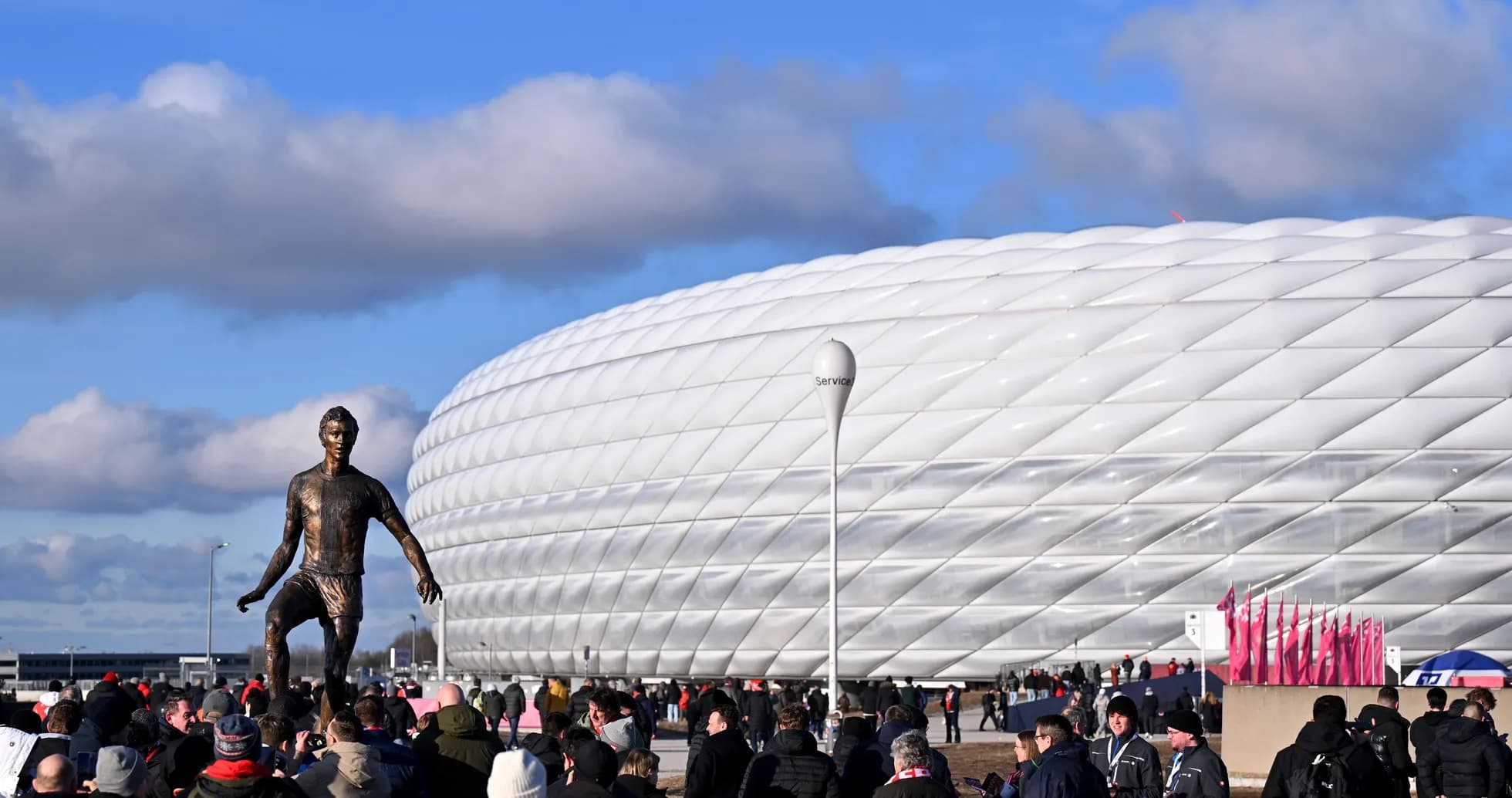
In 2028, the competition’s crown jewel returns to Munich. The Munich Arena will again become the centre of European football, hosting its first Champions League final since 2012, when Bayern Munich’s home turned into neutral ground and a night of high drama. Twelve years on, the stadium gets another chance to frame history.
A year later, in 2029, the spotlight shifts to Barcelona. The rebuilt Spotify Camp Nou will host its first European final in its new guise, and its first since the famous 1999 showpiece. By then, it will stand as the largest stadium in Europe, a fitting colosseum for a tournament that has grown into a global television event as much as a football match.
Two cathedrals of the game, back-to-back. UEFA has gone for scale and symbolism.
Europa League and Conference League spread the load
The secondary competitions will continue to carry European football into new and emerging hubs.
The Europa League final heads to Bucharest in 2028, with the National Arena again entrusted with a major continental night. In 2029, the baton passes to Belgrade, where the Serbia National Stadium will stage the final, underlining the city’s ambition to sit among the region’s football capitals.
The Europa Conference League, still the youngest of UEFA’s club tournaments, will visit two modern arenas with strong recent European pedigrees. Turin’s Juventus Stadium will host the 2028 final, bringing another major occasion to a venue accustomed to knockout tension. In 2029, Budapest’s Puskas Arena takes over, a stadium that has rapidly become a go‑to venue for UEFA’s showpieces.
The pattern is clear: a deliberate mix of traditional powers and ambitious hosts.
Women’s game and Super Cup step into the spotlight
UEFA’s decisions did not stop with the men’s game.
The UEFA Women’s Champions League final will head to France in 2028, with Parc Olympique Lyonnais in Lyon Decines selected as host. It is a natural fit: a modern stadium in a city that has become synonymous with elite women’s football.
In 2029, the women’s final moves to Cardiff. The Wales National Stadium will stage the biggest game in the European women’s club calendar, another marker of how far the competition has travelled in a short space of time.
The UEFA Super Cup will also change scenery. The Johan Cruyff Arena in Amsterdam, a regular host of major European nights, has been awarded the 2027 edition. A year later, in 2028, the Super Cup breaks new ground. The Astana Arena in Kazakhstan will stage the match, a clear signal of UEFA’s intent to push its showpiece events beyond their traditional western and central European heartlands.
On the futsal front, the UEFA Futsal Champions League final will go to Switzerland in 2027, with the Biel/Bienne Arena named as host.
Nations League prepares for a shake-up
Beyond venues and ceremonies, UEFA also moved on competition structure.
The Executive Committee approved a change to the promotion and relegation system in the UEFA Nations League for the 2026/2027 season. The adjustment is designed as a bridge, easing teams into a new format that was signed off in May 2026.
From the 2028/2029 campaign, the Nations League will shrink from four groups to three. Fewer groups, tighter fields, higher stakes. The aim is simple: sharpen the competitive edge and strip out dead rubbers, turning more international dates into meaningful contests.
The promotion and relegation tweak is the first step towards that leaner, more unforgiving version of the tournament.
Next stop: Belfast
UEFA closed its Thessaloniki gathering by confirming where the power brokers will meet next.
The Executive Committee will reconvene in Belfast, Northern Ireland, on 7 December. The timing is no accident: it comes the day after the Euro 2028 qualifying draw, which will also be held in the city.
By then, the venues will be fixed, the formats agreed. The next question will be who can navigate this new European map well enough to reach those freshly chosen stages.