UFC 331: Shocking Moments and Exciting Fights in Los Angeles
The lights at UFC 331 in Los Angeles barely had time to warm up before the card delivered one of its most stunning moments — and Jon Jones’ face said what everyone else was thinking.
Steveson’s 12-second nightmare and Jon Jones’ stunned reaction
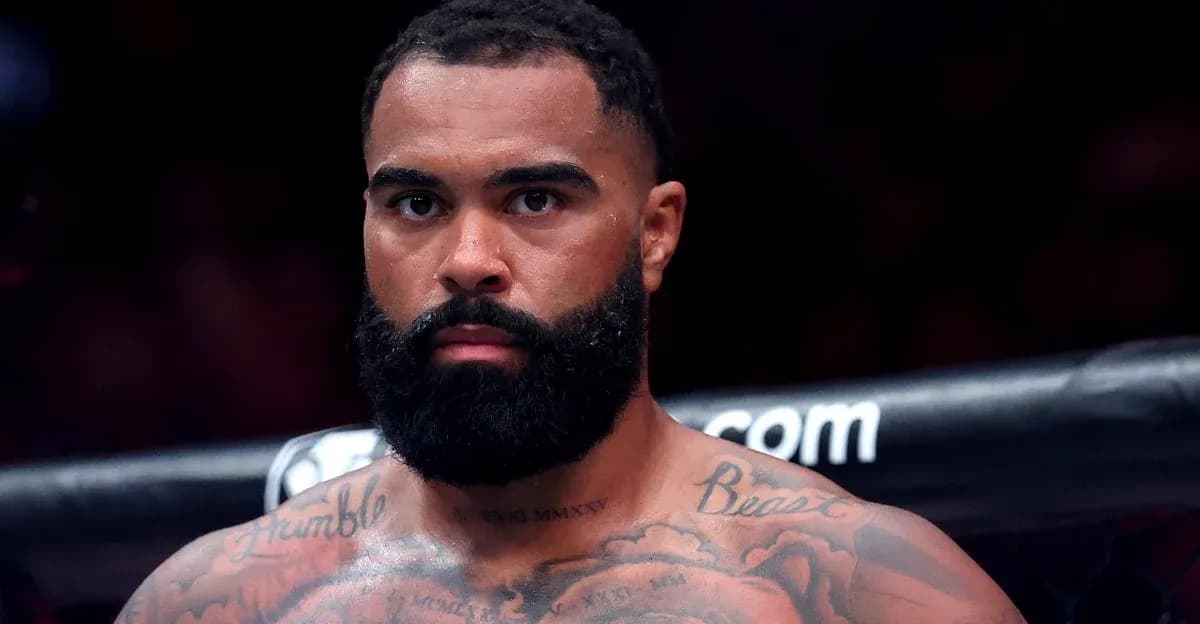
Gable Steveson walked into UFC 331 carrying the kind of hype that usually needs no introduction. Olympic gold. Blue-chip prospect. A future, many assumed, already mapped out toward title contention.
Twelve seconds later, that script lay in ruins.
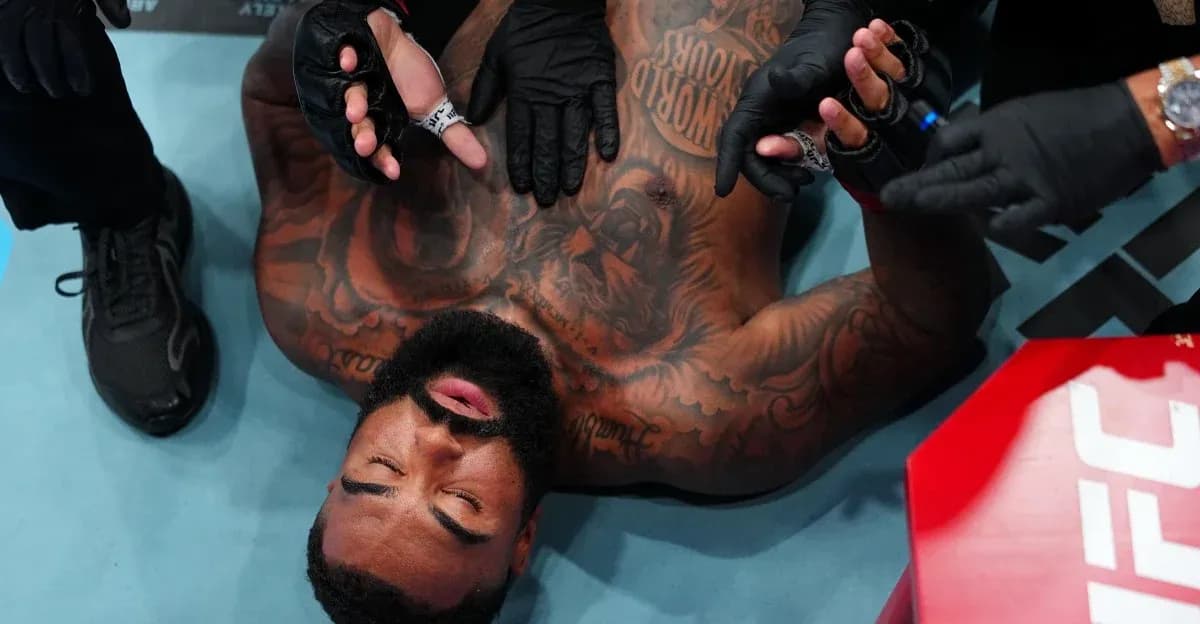
Steveson was knocked out in a blistering 12-second finish that silenced the arena and detonated across social media. Cameras quickly cut to Jon Jones, who watched the upset unfold in real time. His reaction — eyes wide, jaw hanging open — captured the disbelief inside the building. No words, just the raw shock of watching a fellow elite wrestler flatlined before the fight had even begun to breathe.
For Steveson, it was a brutal reminder of what this sport does to reputations when the cage door closes. For everyone else, it was a highlight that will be replayed for years.
Menifield vs. Baraniewski: Power vs. resolve
Earlier in the night, Alonzo Menifield and Iwo Baraniewski delivered the kind of fight that keeps light heavyweight dangerous at every second.
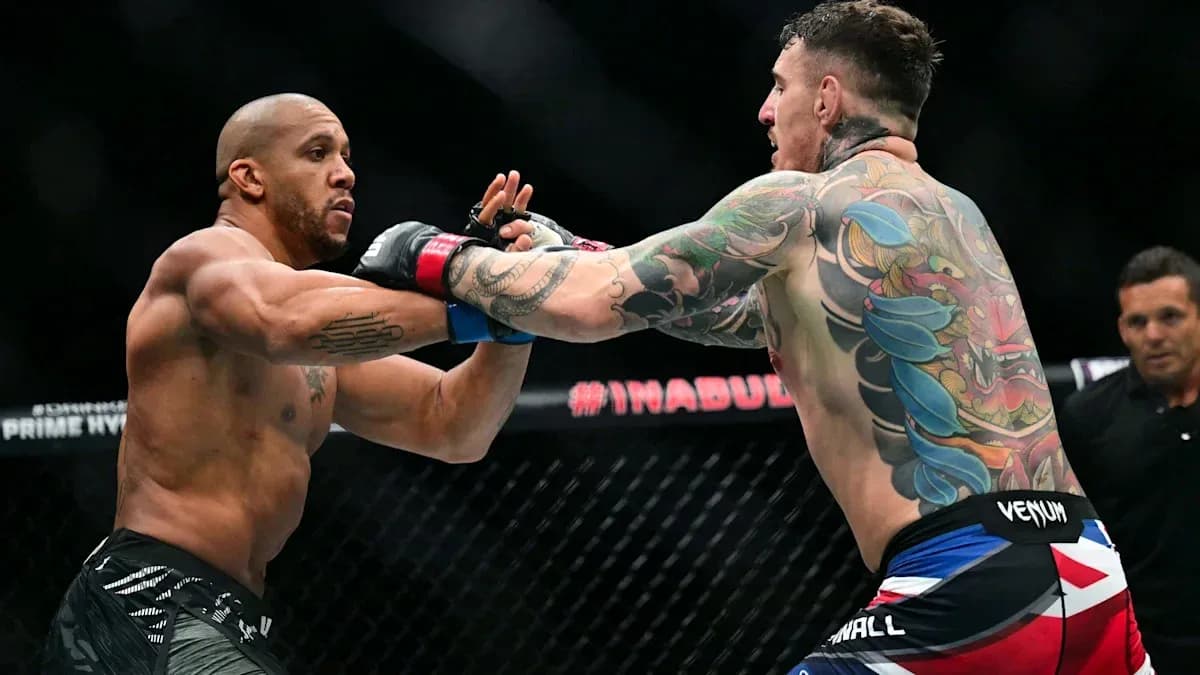
Menifield, long known for his explosive power, went hunting from the start. He stalked forward, loading up on heavy shots, forcing Baraniewski to fight with his back flirting with the fence. Baraniewski refused to fold. He bit down, fired counters, and tried to drag Menifield into deeper water where that early power might fade.
The pattern was clear: Menifield trying to end it with one clean swing, Baraniewski trying to chip away and survive long enough to turn the tide. Every exchange felt like it could flip the fight on its head. It was a reminder that at 205 pounds, one mistake is often one too many.
Vera vs. Jourdain: Precision against chaos
Marlon Vera and Charles Jourdain brought a different kind of violence.
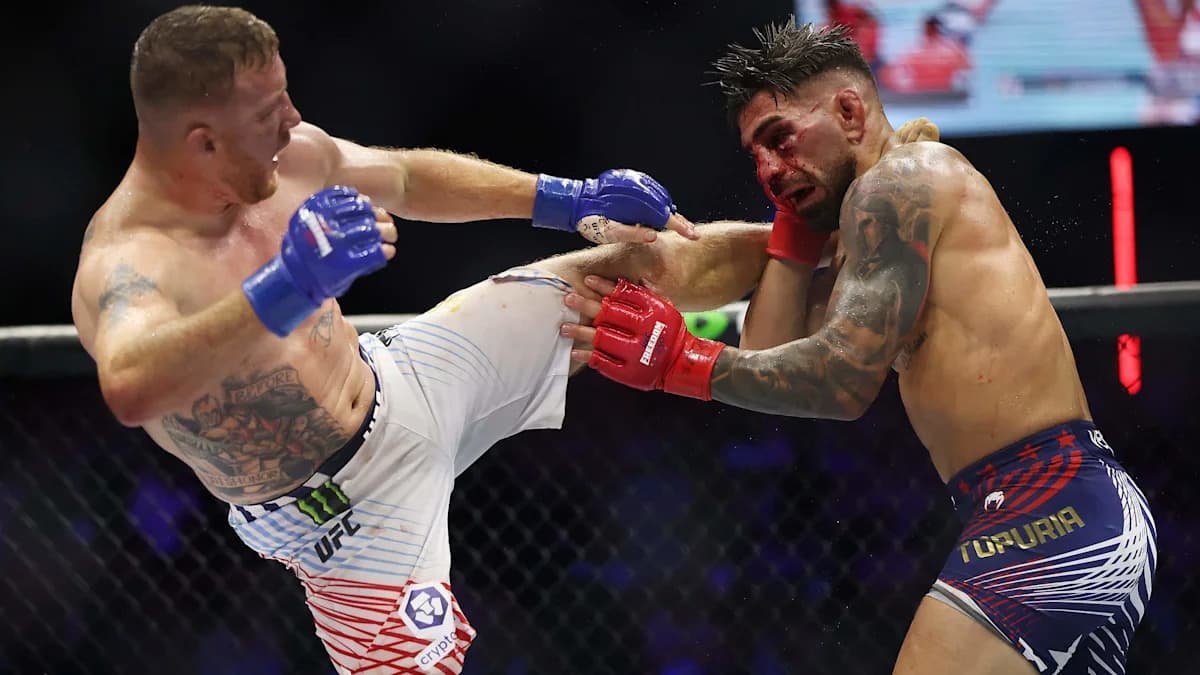
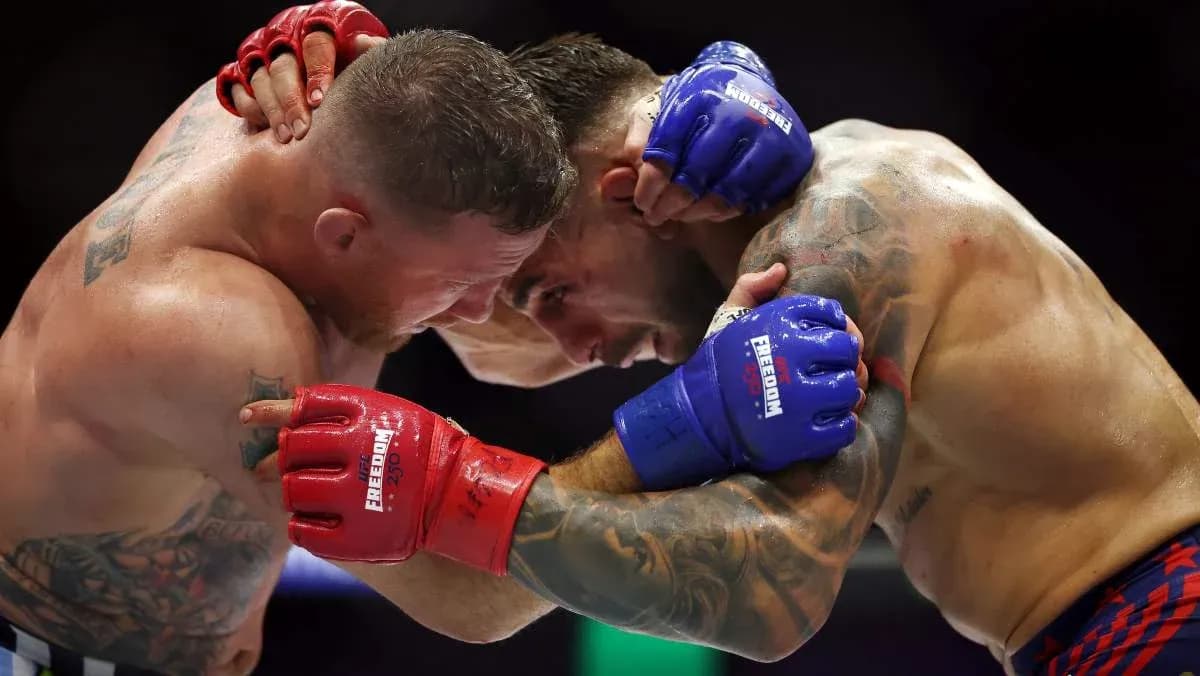
Vera, as ever, fought like a slow-burning storm. He didn’t rush. He didn’t chase. He simply marched forward, reading Jourdain’s movement, taking mental notes, and landing with a mean streak when the openings came. Jourdain tried to keep the fight frantic, mixing kicks, feints, and angles, hoping to unsettle Vera’s rhythm.
But Vera thrives in chaos. The more Jourdain moved, the more Vera’s pressure began to matter. Every landed shot had weight. Every exchange chipped away at Jourdain’s confidence. By the later stages, it was Vera’s fight, his pace, his kind of war — the sort of performance that keeps his name lodged firmly in the conversation at the top of the division.
Gandra vs. Diaz: A gritty test of will
Ryan Gandra and Osman Diaz didn’t have the marquee shine of some of the other names on the card, but they fought like men who understood what a win here could mean.
Gandra pushed the tempo, trying to set a grind-heavy pace, mixing strikes with level changes and forcing Diaz to constantly defend. Diaz answered with sharp counters and stubborn takedown defense, refusing to be bullied into the fence or the mat for long stretches.
The fight turned into a test of who could impose their style for longer. Gandra’s persistence against Diaz’s resilience. Every scramble mattered. Every clean shot felt like it could tilt the judges’ view. It was the kind of hard, honest bout that builds résumés, even if it doesn’t dominate the headlines.
O’Neill vs. Moura: Pressure meets composure
Casey O’Neill and Eduarda Moura squared off in a clash that said a lot about the future of the women’s divisions.
O’Neill came with her trademark aggression, stepping into range, throwing volume, and trying to drown Moura under constant work. Moura answered with poise. She picked her moments, stayed defensively aware, and looked to punish O’Neill’s forward surges with well-timed counters and grappling transitions.
When the fight hit the mat or the clinch, every grip and shift of weight became a battle. O’Neill tried to smother. Moura tried to create space and turn defense into offense. It was a technical, physical fight that showed both women belong on big cards like this, and that either one could be a problem for established names down the line.
Brito vs. Chikadze: Fireworks in the striking lane
Joanderson Brito and Giga Chikadze promised fireworks on paper. They delivered in the cage.
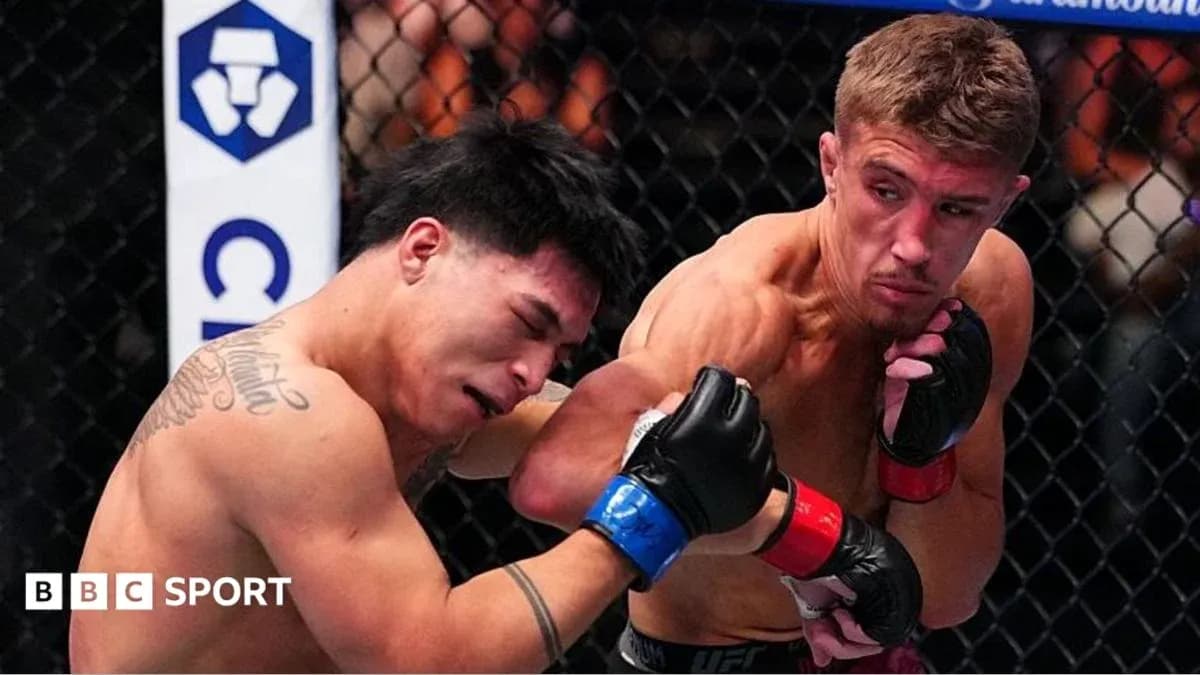
Chikadze, one of the cleanest kickboxers in the division, went to work with his legs early — stabbing body kicks, whipping shots to the arms and ribs, forcing Brito to think before stepping in. Brito didn’t back off. He crashed the pocket, threw with intent, and made it clear he wasn’t going to stand at range and let Chikadze pick him apart.
The tension built with every round. Chikadze’s technique versus Brito’s aggression. Every time Chikadze landed clean, the crowd gasped. Every time Brito closed distance and let his hands go, the arena roared. It was the kind of stylistic clash that makes matchmaking an art form, not a spreadsheet.
A card that refused to play safe
From Steveson’s shocking 12-second collapse to the high-stakes striking clinic between Brito and Chikadze, UFC 331 in Los Angeles refused to drift into the background. It produced upsets, statements, and the kind of images — like Jon Jones frozen in disbelief — that stay with a sport long after the final horn.
The only question now: who from this chaotic night turns a single performance into a run that truly changes their career?