UFC 331: The Imbalance of Fairness in Matchmaking
The UFC has never pretended to be fair. UFC 331 just makes the imbalance impossible to ignore.
Two weeks ago in Paris, Michael “Venom” Page slipped out the side door of the promotion. No fanfare, no public tug-of-war over his future. He won an uneventful decision in his final outing, closed his UFC run at 5-1, and walked away without so much as a token contract offer.
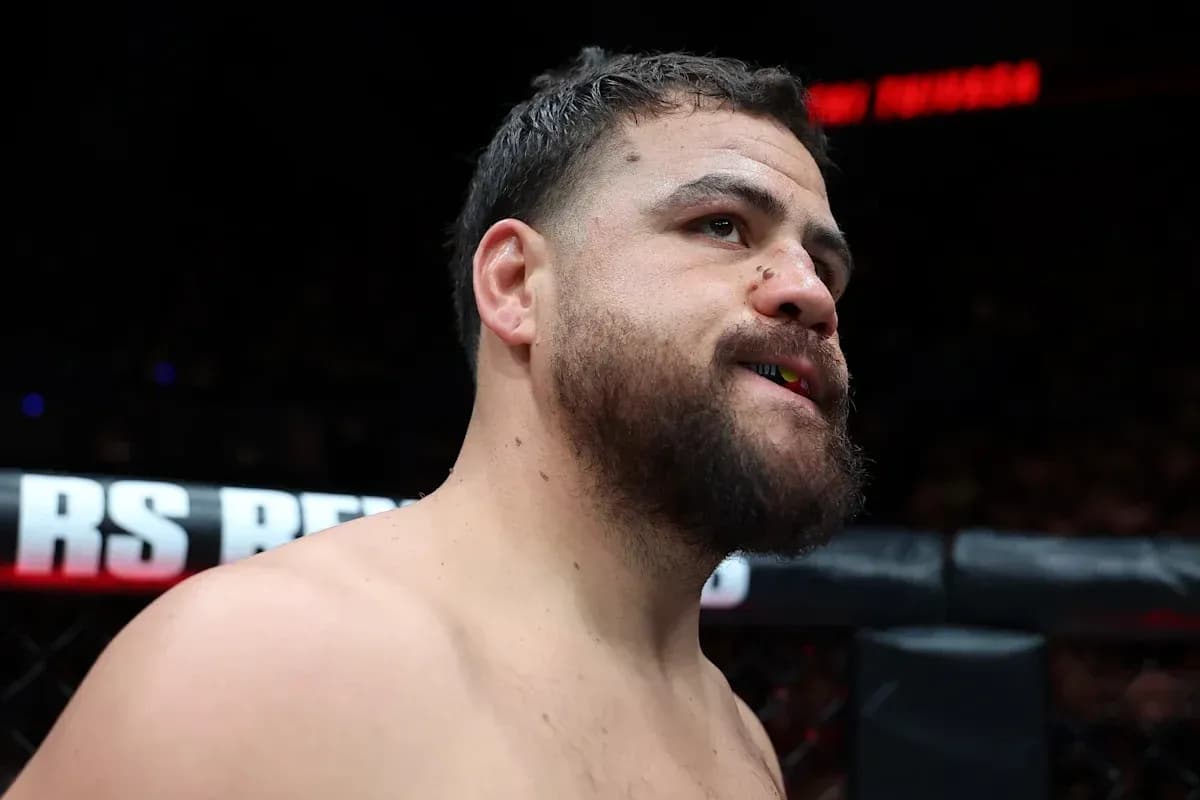
On Saturday in São Paulo, Tai Tuivasa will walk to the cage on a seven-fight losing streak.
One man almost never lost but rarely entertained. The other almost never wins anymore but guarantees chaos. Guess which one the UFC chose to keep.
The value of a brawler
Tuivasa’s situation lays the business model bare. He has already dropped more consecutive fights than Page ever had the chance to fight in the Octagon. Seven straight defeats since 2022. One more loss and he ties Tony Ferguson’s infamous eight-fight skid.
Yet Tuivasa is still on the payroll, cast again in a prominent role at UFC 331 as the man tasked with welcoming Robelis Despaigne back to the promotion.
That contrast says everything.
The UFC is a sports league wrapped in a TV show. Results matter, but not as much as the way those results look. The most unforgivable sin is not losing. It’s winning in a way that makes people reach for the remote.
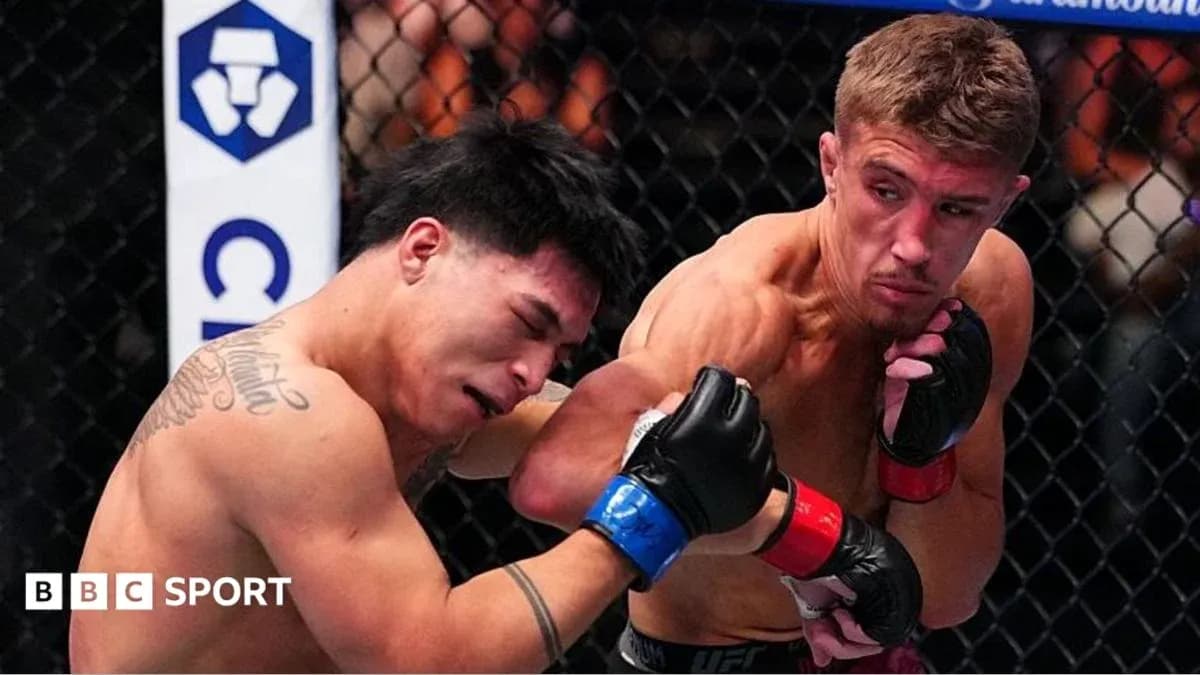
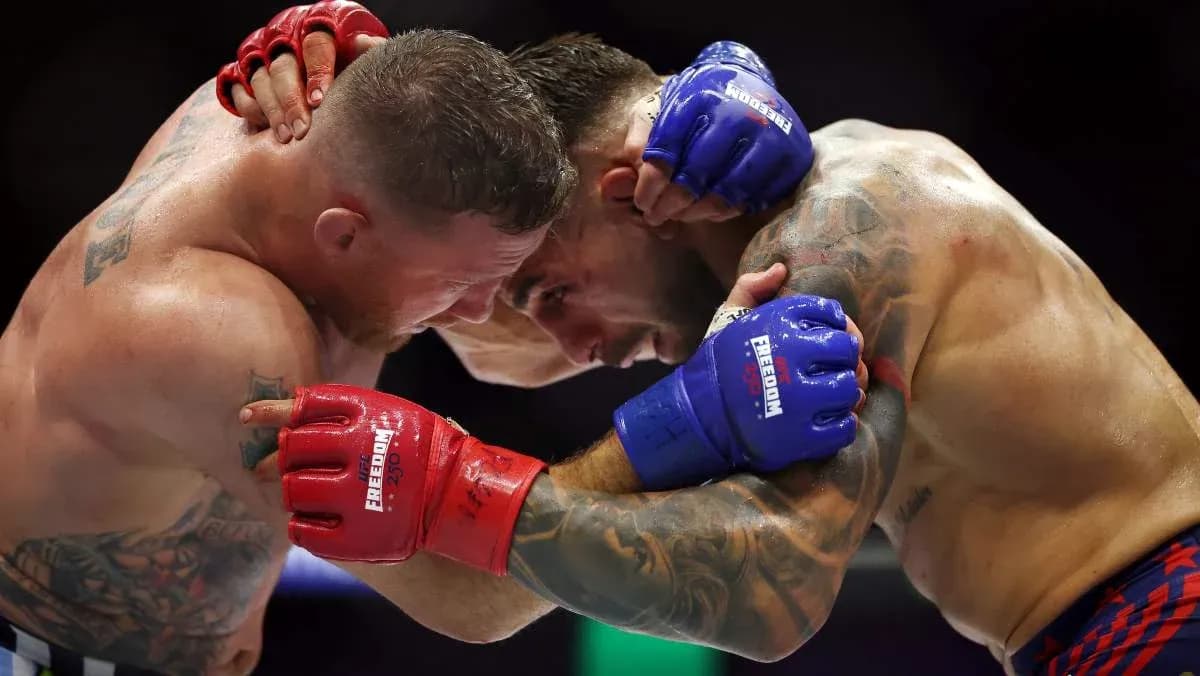
Page did that too often. He neutralized danger, shut down chaos, and dragged opponents into awkward, low-output fights he almost always won. That style is a nightmare for matchmakers. It blocks brawls rather than inviting them. It turns highlight reels into spreadsheets.
Tuivasa is the opposite. You know exactly what you’re buying when his name is on the bout sheet.
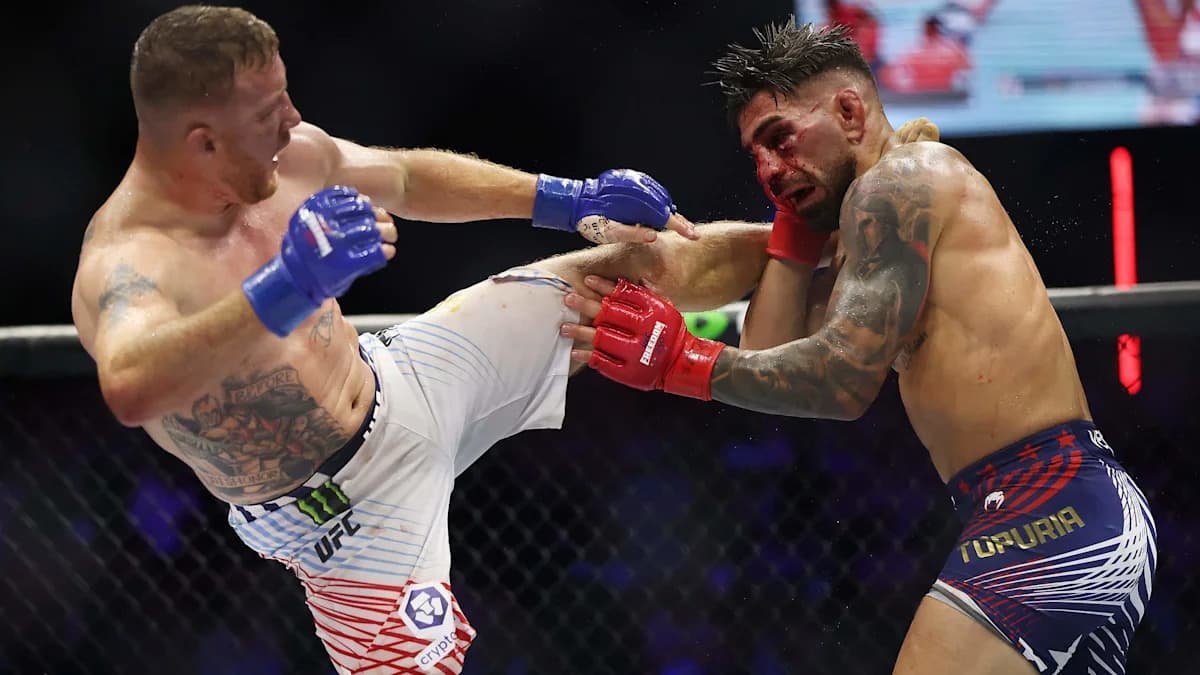
He plants his feet. He slings hooks. He defends takedowns poorly. If the fight gets out of the first round, his gas tank starts to leak, but his stubbornness doesn’t. He will stand in the pocket, take a beating if he has to, and keep throwing until the lights go out—his or theirs.
For a promoter, that’s gold. Risky gold, but gold all the same.
A fan favorite in defeat
There’s also the matter of charm. Tuivasa has it in spades.
He’s the heavyweight who turned the “shoey” into a post-fight ritual, the guy who makes fans feel like they’re part of the act. That matters in a business that sells nights, not careers.
In Melbourne, after a lopsided submission loss, Tuivasa climbed out of the cage bruised and beaten. Waiting for him: a fan with a beer in one hand and a shoe in the other, ready to toast a man who had just been dominated. Tuivasa offered only a brief, silent refusal, but the point lingered. Even in defeat, people wanted to celebrate with him.
That’s a different kind of record. It doesn’t show up on a Sherdog page, but the UFC keeps track.
Matchmaking with a message
Tuivasa’s recent results, though, show the limits of that goodwill. He was a -225 favorite against Louie Southerland in Australia in May and still lost a unanimous decision. That made seven defeats in a row. When a fighter starts dropping the matchups he’s supposed to win, the calculus changes.
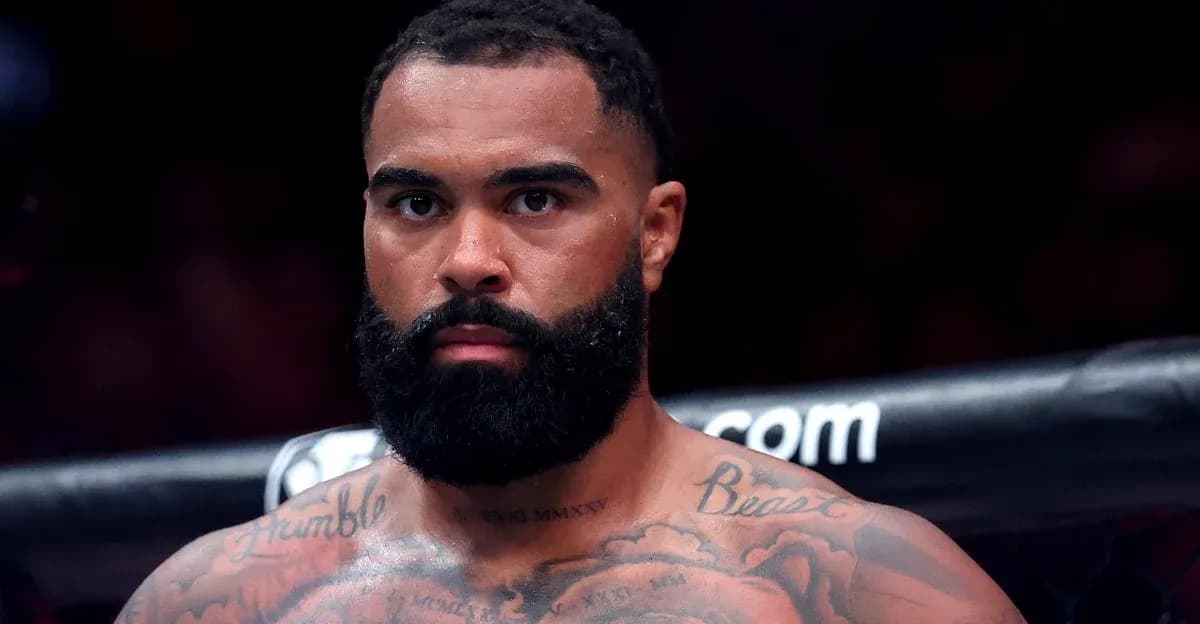
Now comes Despaigne, the hulking Cuban who flattened Junior dos Santos at the MVP Netflix event in May. Watch that knockout once and the logic behind this booking jumps out.
Despaigne wants someone who will stand in front of him. Tuivasa offers exactly that. He will not shoot for takedowns. He will not circle and stall. He will trade.
This is not a charity assignment for a struggling veteran. It’s a test case for a potential new attraction, wrapped in the familiar chaos of a Tuivasa fight. If Despaigne is going to reintroduce himself to UFC fans, what better foil than a heavyweight who guarantees a brawl and brings a built-in audience?
That’s how a fighter can lose and lose and lose, and still have a job—at least for a while. Meanwhile, a man like Page, whose worst crime was being effective in a dull way, finds the door shut.
The cost of giving the crowd what it wants
Fighters understand this dynamic, even if it’s rarely spelled out. Former UFC champion Tyron Woodley laid it bare on “The Ariel Helwani Show” this week.
“You hit me, I hit you,” Woodley said. “Rock ’em, sock ’em. I’m bleeding, you’re bleeding. I almost die, you almost die. We hug at the end, raise each other’s hand. That’s the ‘best’ fight.”
The sport rewards that kind of carnage. Bonuses, main-card slots, promotional pushes—they follow the wild ones. But the bill arrives sooner than later.
Woodley knows the toll. The body breaks. The reflexes fade. The chin doesn’t hold up forever.
“As soon as they become a bag of bones and they become a little older, and there’s a younger fighter that’s willing to do it with less backtalk, willing to do it for less money, they’re going to be matched up with that person,” he said. “That’s really how the cycle of the sport goes.”
The UFC’s matchmaking often proves him right. The brawler’s reward is short-term glory and long-term damage, with no guarantee of a soft landing when the violence stops selling.
The impossible balance
In most sports, the formula is simple: win and you stay. Lose and you go. Brutal, but at least coherent.
MMA twists that logic. Here, the job description is split: part warrior, part entertainer. Fighters spend entire careers trying to solve an impossible equation—how to be exciting enough to keep the phone ringing, but smart enough to avoid becoming the next “bag of bones” Woodley described.
Some lean toward safety and control, and risk Page’s fate. Others lean into chaos and drift toward Tuivasa’s predicament.
On Saturday, Tuivasa will walk into the cage in São Paulo with his career dangling over a cliff and his popularity still intact. Despaigne will stand across from him, the fresh face with thunder in his hands and the promotion at his back.
The UFC will get what it wants either way: a knockout, a spectacle, something that moves the needle.
The fighters will walk out carrying the consequences.
And everyone else will be left to wonder: in a sport where violence and entertainment are the currency, how long can any fighter afford to get the balance right?