What Is a UFC Title Worth Without Pay-Per-View Revenue?
In the past, UFC champions looked forward to more than just glory—they anticipated a payday boosted by pay-per-view (PPV) earnings. That model promised substantial income for fighters who climbed the ranks, captured a title, and defended it multiple times. The champion's contract included a share of PPV sales, turning belts into valuable assets that separated top earners from the rest.
Today, the landscape has shifted. The UFC no longer relies on PPV buys as fans access every event through a Paramount+ subscription for a fixed monthly fee. The UFC’s parent company, TKO, earns roughly $1 billion annually from these deals, but fighters don’t see PPV revenue directly anymore. This change raises a pressing question: what is a UFC title worth now?
Sean Strickland and the New Reality
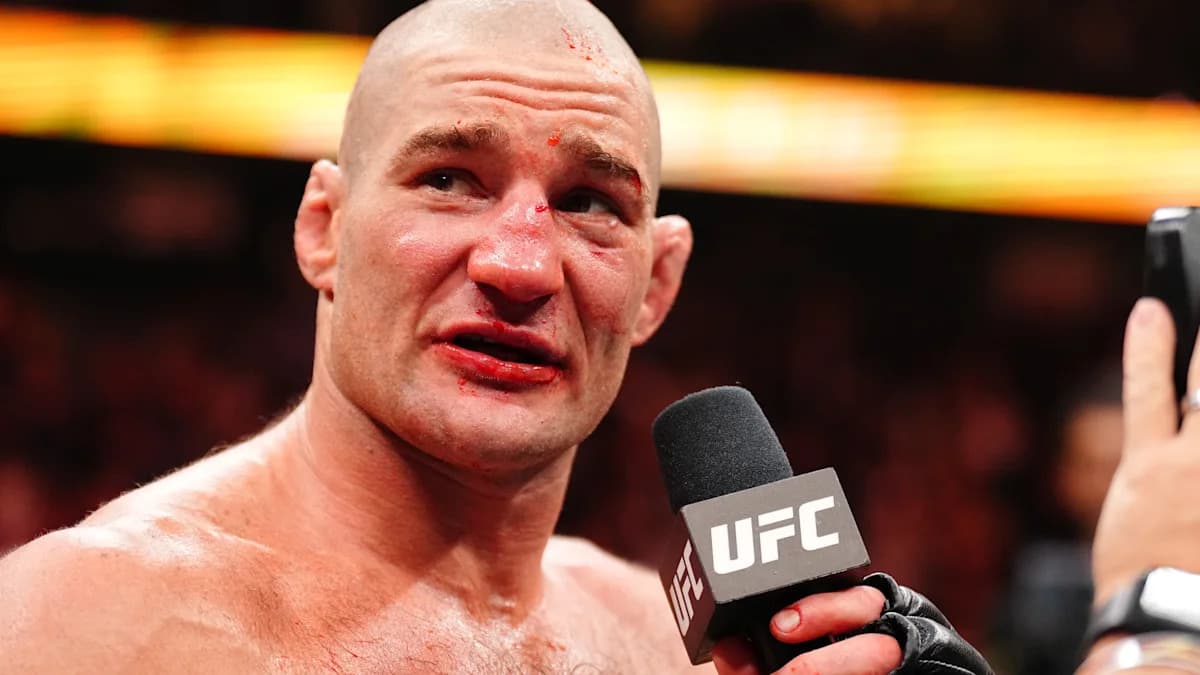
Current middleweight champion Sean Strickland illustrates this shift vividly. Despite winning the belt in May with an upset over Khamzat Chimaev, Strickland appears frustrated by his pay. Reports suggest he might even surrender the title without defending it just to exit his contract sooner and explore free agency. This attitude reflects the uncertain value a championship holds today.
Insights from Industry Insiders
I spoke with several managers—mostly anonymously, fearing repercussions—to get a clearer picture. Their views were consistent: the dream of massive PPV earnings had largely faded before the official end of the PPV model. Declining sales stemmed from rising costs, alternative viewing options, and a cultural move away from traditional cable TV purchases. Regardless, the bottom line for fighters was that championship status no longer guaranteed significant PPV money.
Still, the UFC offers bonuses for champions beyond their fight purses. Champions receive higher Promotional Guidelines Compliance payouts—for example, $42,000 per fight compared to $32,000 for challengers. These payments cover obligations like attending media events and wearing official gear. Outside of title bouts, the highest compliance bonus is $21,000, which is rare and reserved for fighters with extensive UFC experience.
Champions also tend to secure more off-cage opportunities such as sponsorships, fan meet-and-greets, and seminars, improving their overall income modestly. So, holding a belt still carries financial perks, but they are less dramatic than before.
A More Predictable Yet Limited Income
One manager pointed out the upside: fighters now know what to expect financially as champions. They no longer chase elusive PPV windfalls, which rarely materialized anyway. While this clarity can be comforting, it also removes hope for extraordinary earnings based on event hype or performance. This reality leaves some champions feeling trapped, especially when they hear about huge sums paid to stars like Conor McGregor or Conor Benn outside typical UFC contracts.
Previously, the potential income felt open-ended—a true "eat what you kill" scenario. Now, the earning ceiling feels firmly set, regardless of how much buzz or skill a fighter brings to the octagon.
Impact on UFC’s Approach to Fighters
The elimination of PPV has altered the UFC’s incentives. Without needing to sell individual events at premium prices, the promotion has less motivation to focus on card quality or negotiate extensively with champions. The company profits whether a star fights or sits out, reducing leverage for fighters seeking better deals or main event slots.
This approach became clear around UFC 332, where the UFC’s priorities seemed to shift toward maintaining steady revenue over crafting blockbuster matchups. If a champion like Strickland holds out, the UFC can strip the belt and pit contenders against each other for the vacant title, as happened with former champ Valentina Shevchenko.
Living With the New Norm
Those lucrative PPV days are behind us. UFC champions today face a fixed compensation structure that provides some advantages but removes the possibility of breakthrough earnings tied to event success. For many, this new certainty is both reassuring and frustrating—offering stability at the cost of opportunity. The UFC belt still matters, but its value is now shaped by a very different business model.