U.S. Women’s FIBA World Cup Team Dominates Hungary 108-56
BERLIN — The U.S. didn’t just book a place in the semifinals of the women’s FIBA World Cup. It tore the door off its hinges.
Napheesa Collier poured in 19 points as the Americans demolished Hungary 108-56 on Thursday, a ruthless display that stretched their World Cup winning streak to 34 games and underlined, once again, who owns this stage.
Next up: a medal-round showdown on Saturday against the winner of Spain vs. Australia. Different flag, same expectation.
A Statement Wrapped in a Blowout
This was record-breaking dominance. The 108 points marked the highest total ever scored by any team in a World Cup quarterfinal. The 31 assists? Also a quarterfinal record. It wasn’t just that the U.S. won. It was the way the ball fizzed, skipped, and sliced its way through Hungary’s defense.
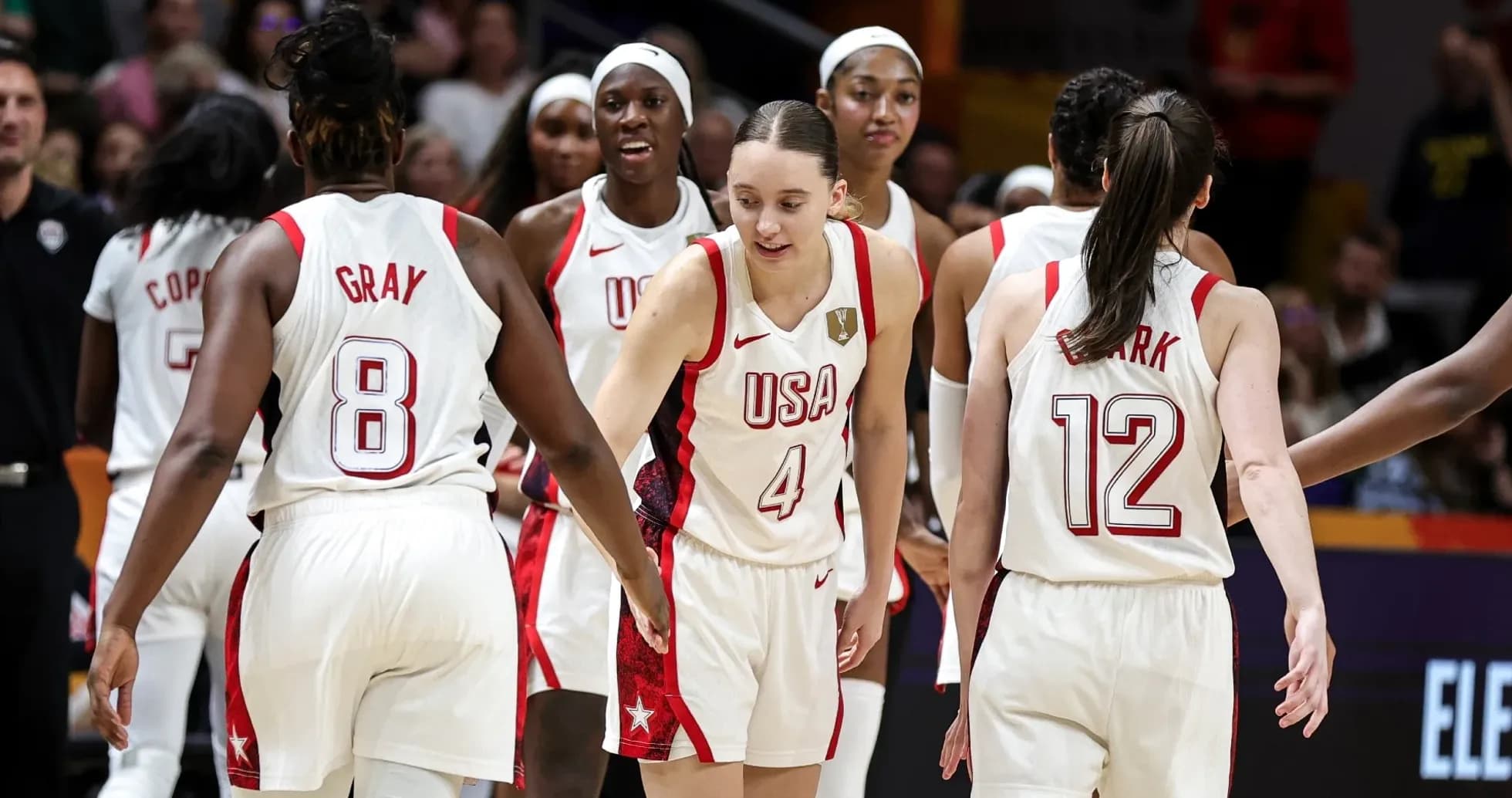
“When that ball is moving, we want to get the best possible shot,” said Kahleah Copper, who added 10 points. “We want to make sure everybody gets involved. Everyone here on this roster, we know what they’re doing on their respective (WNBA) teams. But you come here, you sacrifice a little bit of that.”
They did more than sacrifice. They shared. Good shots became great ones, and Hungary never had a chance.
The tone was set immediately. The U.S. stormed to a 36-12 lead after the first quarter, running at every opportunity, punishing every mistake. They pounded the ball inside, turned turnovers into layups, and closed the period with a sharp little flourish: Caitlin Clark and Angel Reese working a crisp pick-and-roll just before the buzzer, a snapshot of a partnership that looks more polished with every game.
Collier had 10 points in those first 10 minutes. Hungary had no answers.
Offense in Overdrive
For a stretch in the first half, the Americans looked like they couldn’t miss. They hit 20 of their first 26 shots — 77% from the field — and drilled five of their first six attempts from beyond the arc. The lead ballooned to 50-18 with six minutes still left in the second quarter, the outcome already beyond doubt.
By halftime, the U.S. led 59-30. According to FIBA, it was the highest-scoring first half in team history in a knockout game at this tournament. The numbers told one story. The eye test told an even louder one: this was a team playing with total freedom and total control.
Clark, again orchestrating with poise, finished with 10 points and nine assists, just one dime shy of her second double-double of the tournament. She dictated tempo, probed, kicked, and constantly found the open woman as Hungary’s defense scrambled in vain.
Defense with Teeth
The offense will grab the headlines, but the U.S. defense quietly strangled Hungary’s main threat and never loosened its grip.
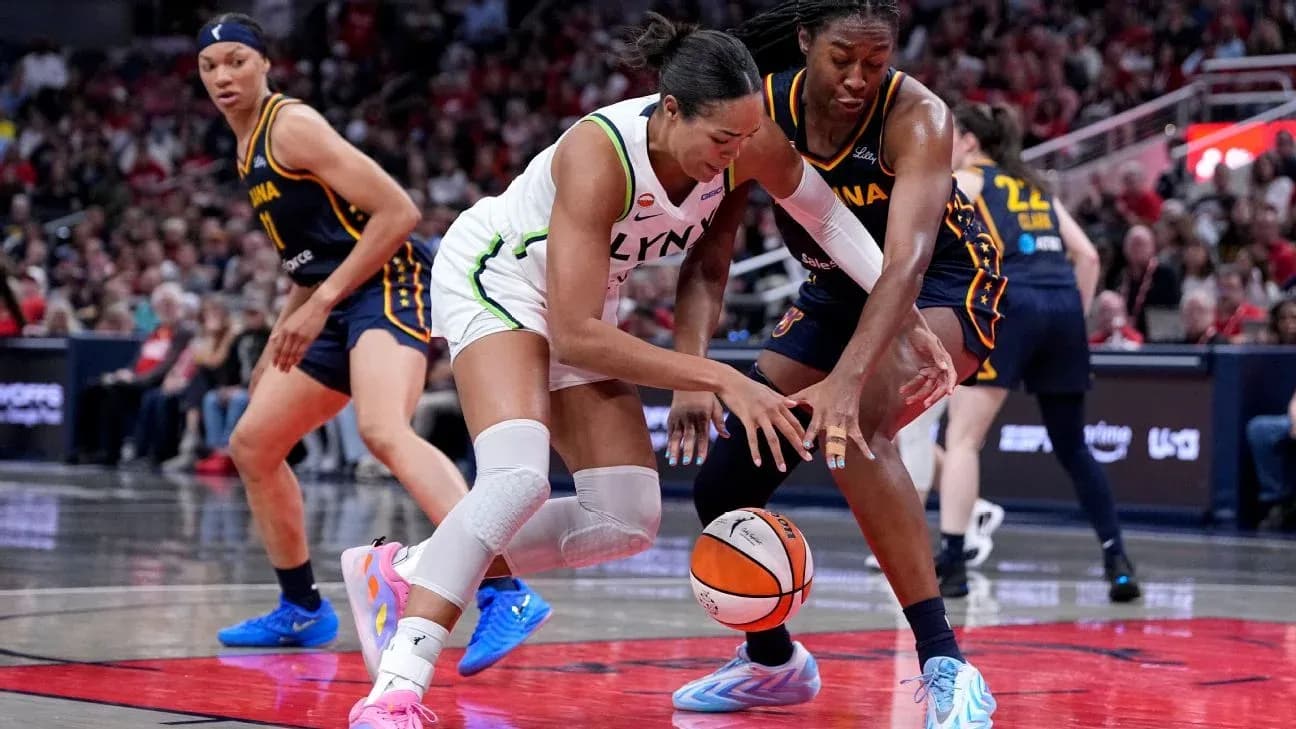
Dorka Juhasz, Hungary’s standout and a familiar face to Minnesota Lynx fans, entered the game averaging 15.3 points and 11 rebounds in the tournament. The U.S. turned her night into a grind. She missed her first seven shots, couldn’t find rhythm or space, and didn’t score her first basket until 2:26 remained in the first half.
She finished with just two points on 1-for-12 shooting, an elite scorer reduced to a footnote by relentless pressure, help defense, and physicality in the paint.
The only real scare for the Americans came in the third quarter when Sonia Citron took an accidental hand to the nose from a Hungary player and had to leave the floor. Any concern eased when she returned to start the fourth quarter.
By then, the game was long gone. The U.S. rotated freely, spread minutes across the roster, and still kept the pace high and the standard higher.
Hungary’s High-Water Mark
For Hungary, the night ends in a heavy defeat, but the tournament does not end in disappointment. Reaching the quarterfinals for the first time in the World Cup’s medal-round era marks their best finish under this format. They were fifth back in 1957, but that came in a round-robin system with no knockout stage.
This time, they walked into the teeth of a juggernaut.
The Americans, meanwhile, extend a run that stretches back to a semifinal loss to Russia in 2006. Since then, every World Cup has brought the same pattern: the U.S. in the medal round, the U.S. chasing gold, the U.S. setting the bar.
Spain or Australia will stand in their way next. On this evidence, that’s less a question of whether the U.S. can be stopped and more a question of who dares to try.