USA Advances to FIBA Women’s Basketball World Cup Final with Tough Win Over Spain
The United States are back in familiar territory, but they had to sweat for it in Berlin.
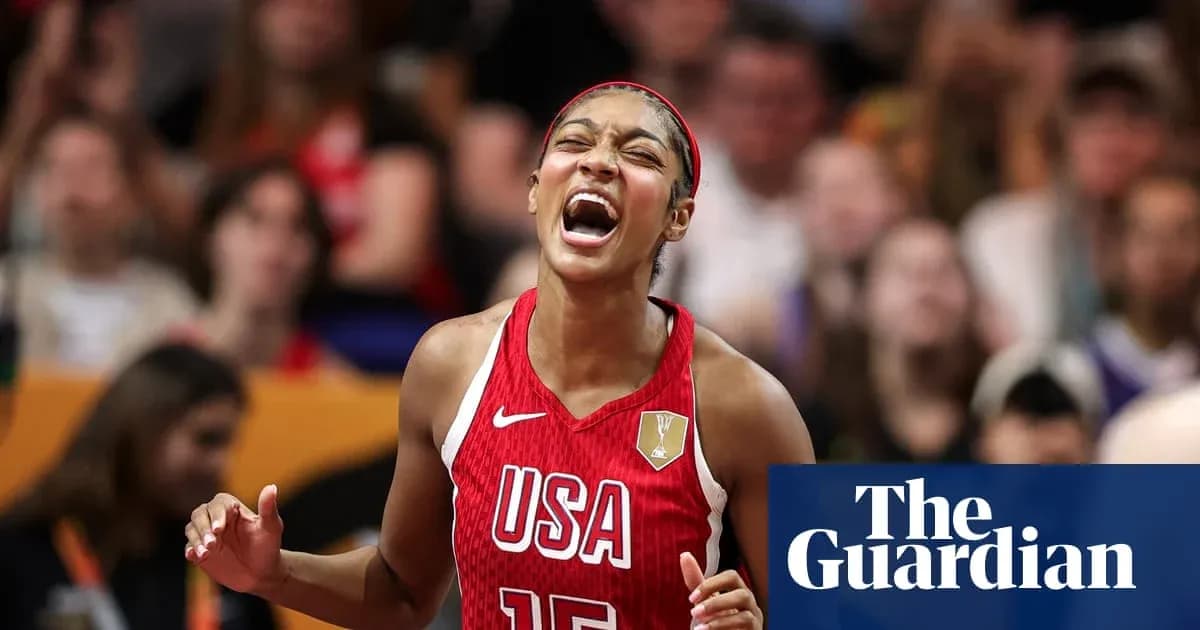
Pushed to the edge by a fearless Spain side, the four-time defending champions finally punched their ticket to a fifth straight Fiba Women’s Basketball World Cup final with a grinding 76-66 win, built not on fireworks but on fourth-quarter composure.
Spain swing first, USA stagger
From the opening minutes, this did not look like another routine American march.
Spain came out sharp, aggressive and utterly unimpressed by the names on the opposing jerseys. They jumped to a 13-4 lead midway through the first quarter, moving the ball crisply and punishing every defensive lapse. The US looked flat, late on close-outs, a step slow in transition.
By halftime, the favourites had steadied but not escaped. The Americans edged in front, 39-36, yet there was no sense of control. Spain were right there, matching their physicality, dictating long stretches of the tempo, and refusing to let the game turn into a track meet.
The third quarter only deepened the tension. María Conde and Iyana Martín buried early three-pointers, slicing into the US cushion and then wiping it away. Each time the Americans nudged ahead, Spain answered, Martín in particular showing icy nerve.
With 53 seconds left in the third, Martín stepped to the line and coolly knocked down two free throws. Scoreboard: 58-58. The arena, sensing an upset brewing, leaned Spain’s way.
Stewart, Copper and Young seize the moment
That was the moment a champion team had to respond. And it did.
Kahleah Copper attacked first, then Jackie Young followed, the pair combining for the opening blows of the fourth quarter. Those early buckets didn’t break Spain, but they shifted the mood. The US finally looked like the side that has ruled this competition for nearly two decades.
Breanna Stewart then went to work.
She had been steady all night, but in the final period she became the anchor. Stewart’s 16 points didn’t come in a flurry; they came in the kind of timely, calculated bursts that drain belief from opponents. A jumper here, a strong finish there, the extra defensive rotation that sparks a run the other way.
The American lead grew to eight with just over six minutes remaining. Not decisive, not yet, but Spain were suddenly chasing instead of dictating.
The decisive punch came from Young. Already with 12 points to her name, she read a passing lane perfectly, jumped it, and raced away for a steal and layup that pushed the score to 76-64 with 1:42 on the clock. That was the moment Spain’s resistance finally cracked.
Spain’s fight, USA’s standard
Conde and Martín were outstanding, each finishing with 17 points and refusing to let the underdogs fade. They helped hold the US to 40% shooting, a figure that would usually spell trouble for the Americans.
The perimeter numbers were even uglier. The US hit just three of 18 attempts from beyond the arc. Caitlin Clark, under the spotlight as always, endured a rough night: one point, 0-for-3 from deep, unable to find rhythm against a disciplined Spanish defense that chased her relentlessly off the line.
Yet this is where the US continue to separate themselves from the rest of the world. They win when the shots don’t fall. They win when the game gets messy. They win when the opponent plays near its ceiling.
The numbers underline it. This victory stretched their World Cup winning streak to 35 games. They have not lost in this tournament since a semi-final defeat to Russia back in 2006. Entire international careers have come and gone without anyone seeing the United States beaten on this stage.
Spain pushed them closer than most. They exposed weaknesses, forced adjustments, and for three quarters had the giants wobbling. But they could not finish the job.
France await, history looms
Now comes France in Sunday’s final, after an emphatic 86-64 win over host nation Germany. A different test, a different style, but the same pressure: trying to dislodge a team that has made winning at World Cups feel almost inevitable.
Almost.
Spain showed that the gap can narrow, that the champions can be dragged into a dogfight. France will have watched Berlin closely, noting every missed three, every moment of discomfort.
The US, though, will walk into that final carrying 35 straight World Cup wins and the weight of an era on their shoulders. One more game, one more title on the line.
The question now is simple: who, if anyone, can stop this run before it becomes untouchable history?