2026 US Open Predictions: American Women’s Surge and Men’s Chaos
The US Open returns to New York on Sunday with the draw wide open, the rankings on a knife’s edge and a hard-court fortnight that could redraw the sport’s hierarchy.
At Flushing Meadows, the storylines run deep. Serena Williams is back in Queens only for doubles, a reminder of an era just gone. Aryna Sabalenka arrives as the top seed and two-time defending champion, but her grip on the No. 1 WTA ranking is anything but secure. Elena Rybakina, Jessica Pegula and Coco Gauff all have a mathematical shot at leaving as the world’s top player, depending on how the final Grand Slam of the year breaks.
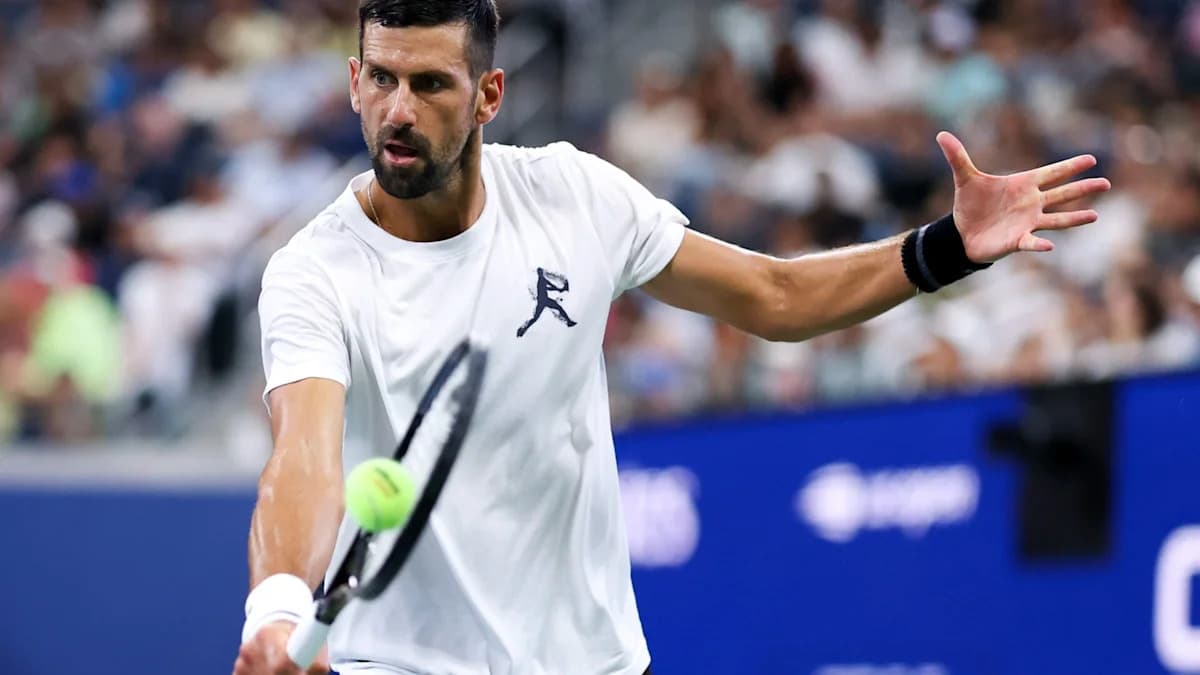
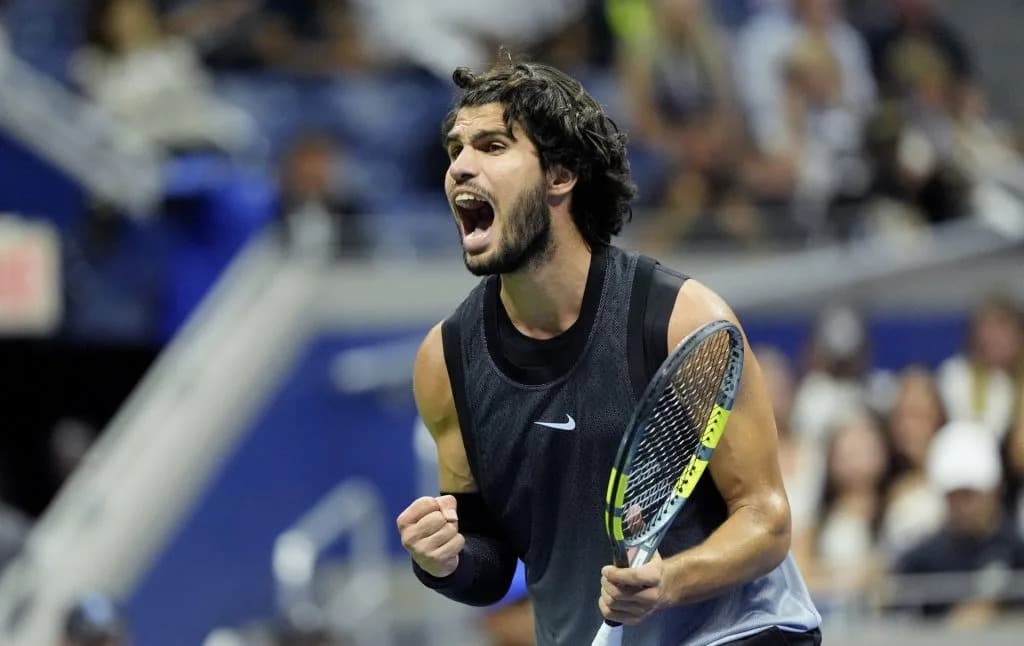
On the men’s side, the absence of world No. 1 Jannik Sinner with a knee injury rips a hole in the draw. Alexander Zverev, the top seed and freshly crowned French Open champion, suddenly sees a clear lane to a second major. Carlos Alcaraz returns from four months out, rusty but dangerous. Felix Auger-Aliassime, seeded third, is still chasing his first Grand Slam final. Novak Djokovic, the fourth seed, is chasing history again: a 25th major title, another layer on a legacy that refuses to fade.
USA TODAY’s tennis writers have looked at that maze and drawn a bold map of how the 2026 US Open might unfold.
Women’s draw: American surge, Sabalenka doubts, and a Gauff–Pegula drumbeat
The panel converges on one central theme: New York could belong to the American women.
Scooby Axson, Cydney Henderson and Danielle Lerner all see Coco Gauff and Jessica Pegula playing their way into the semifinals, riding the form that took them to the Cincinnati Open final just a week ago.
Axson leans heavily into the “home cooking” narrative. In his bracket, both Gauff and Pegula march through to set up an all-American semifinal slate. Gauff runs into Iga Swiatek, a five-time Grand Slam champion and 2022 US Open winner, but Axson backs the 22-year-old American to punch through as long as her serve holds up. Pegula, in his view, draws Wimbledon champion Linda Noskova in the other semi and handles her in straight sets to reach a second US Open final.
Henderson also builds toward a Gauff–Pegula final but imagines a slightly different path. Gauff again meets Swiatek in the semis, but this time the Polish star is coming off a win over an injured Rybakina, who has been nursing Achilles soreness and might not even be fully fit for the quarterfinals. On the other side, Pegula faces Sabalenka. With the No. 1 ranking and a three-peat bid weighing on the Belarusian’s shoulders, Henderson expects the pressure to crack Sabalenka’s game and open the door for Pegula.
Lerner’s bracket echoes the same American backbone. She also has Gauff and Pegula into the last four, both “continuing their impeccable form” from Cincinnati. Again, Gauff’s semifinal opponent is Swiatek. Pegula’s is Noskova, whose Wimbledon run impressed Lerner with its grit and staying power. Rybakina’s Cincinnati retirement with an apparent Achilles problem looms large in Lerner’s thinking; she doesn’t see the Kazakh going beyond the quarterfinals. Sabalenka, she notes, has looked mentally fragile against lesser opposition and is also tipped to fall short of the semis.
Where the three diverge is the champion’s name.
Axson goes against the Gauff tide. He predicts Pegula to win an all-American final, lift her first US Open trophy and jump to No. 1 in the world. In his scenario, it’s Buffalo, not South Florida, that celebrates the loudest.
Henderson and Lerner both stay with the defending champion. They see Gauff’s momentum as too strong to ignore. Henderson points to a six-match winning streak coming into New York and a commanding title run in Cincinnati. Lerner calls that surge “undeniable” and expects Gauff’s serve to be the weapon that carries her to a third career major and second US Open crown.
Sabalenka may be the top seed and reigning champion, but on these prediction sheets, the emotional center of the tournament is clear: Gauff and Pegula, shoulder to shoulder, trying to turn New York into an American showcase.
Men’s draw: Chaos, opportunity, and a possible new member of the “big three”
If the women’s bracket has a familiar shape, the men’s draw feels like a storm.
No Sinner. A returning Alcaraz. A 37-year-old Djokovic chasing No. 25. Zverev as top seed on hard courts. American contenders who are tired of hearing about a decades-long US Open title drought.
Axson sees this as the moment for Taylor Fritz to finally make a serious run. The ninth seed, in his view, has a game built for these courts, but his ceiling remains Zverev. Axson has the American bowing out in the semifinals to the German top seed. On the other side of the draw, he warns against writing off Djokovic, who he expects to grind his way deep into the tournament again. The twist comes when the Serbian runs into someone “significantly younger”: Arthur Fils. The 22-year-old Frenchman, fresh off an impressive Cincinnati campaign, is Axson’s pick not only to reach the final but to win the title. In his forecast, Fils’ hot streak continues all the way to a first Grand Slam, and he steps into a new “big three” alongside Alcaraz and Sinner.
Henderson leans into a different American story. She believes the US men, worn down by constant reminders of their Slam drought at home, will seize on the open field created by Sinner’s withdrawal and Alcaraz’s injury layoff. Ben Shelton, who has veered between highs and lows on the hard courts—winning a title in Montreal before an early Cincinnati exit—gets her vote to catch fire in New York. She has Shelton facing Djokovic in the semifinals and Zverev meeting Auger-Aliassime in the other semi. From there, Henderson predicts a breakthrough: Shelton reaches his first US Open final and wins his first Grand Slam title on home soil.
Lerner views this as one of the most unpredictable US Opens in recent memory and still circles back to the sport’s two biggest current names. Despite Alcaraz’s limited preparation and Djokovic’s recent early exits on hard courts, she expects them to collide in a blockbuster semifinal. Before that, she flags a potential quarterfinal between Alcaraz and Shelton as one of the matches of the tournament. On the opposite side of the draw, she backs Fritz to ride the crowd and his form into the last four, where Zverev again stands as the obstacle. Her final pits Djokovic against Fritz, a generational clash with the American trying to stop history.
Across all three sets of predictions, one theme keeps surfacing: opportunity. With Sinner sidelined and Alcaraz short of match play, the usual script is torn up. Zverev can cement his resurgence. Djokovic can stretch his records even further. Fritz and Shelton can rewrite the narrative for American men. Fils and Auger-Aliassime can step into the spotlight.
New York has a habit of picking its own heroes. Over the next two weeks, we’ll find out whether it crowns a familiar champion, an American revival, or the next great name in men’s tennis.