2026 U.S. Open: Brilliant Tennis Meets Chaotic Etiquette
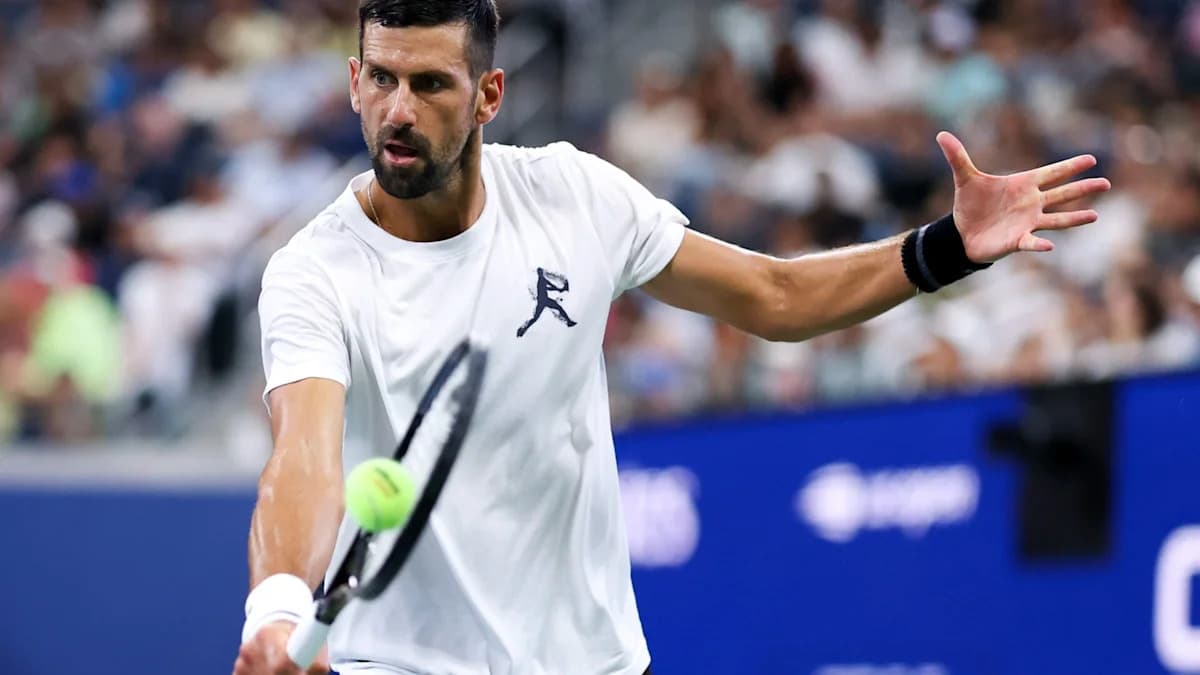
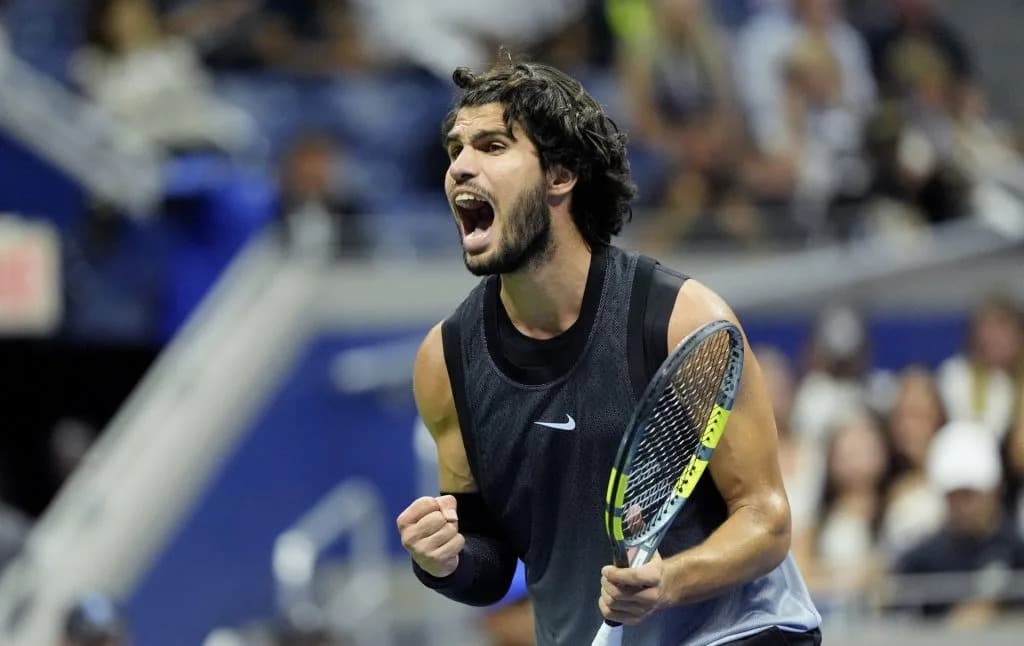
On court, the 2026 U.S. Open has delivered everything a Grand Slam promises and more. Novak Djokovic’s shock first‑round exit lit the fuse on day one, ripping up the script and throwing the men’s draw wide open. Since then, the women’s event has showcased its biggest stars at full throttle, while the men’s side has turned into a playground for underdogs refusing to read their supposed role.
The tennis has been gripping. The atmosphere, though, has become the story for all the wrong reasons.
Influencers in the firing line
This year’s tournament organizers made a clear play: lean into the social media era, invite influencers, and try to capture a younger, broader audience. The gamble has backfired in public view.
Those invited digital personalities have been accused of treating Arthur Ashe Stadium less like a cathedral of tennis and more like a backdrop for content. Their behavior has sparked a fierce debate: should influencers, many of whom show little understanding of the sport’s traditions, be given such prominent access at a Grand Slam?
The backlash has been swift. Clips of poor etiquette have circulated widely, and the narrative has hardened around one idea — that the influencers are eroding the decorum that has long defined top-level tennis.
But that’s only part of the story.
Ashe under siege
The most damning scenes have had nothing to do with ring lights or selfie sticks. They’ve come from the stands themselves.
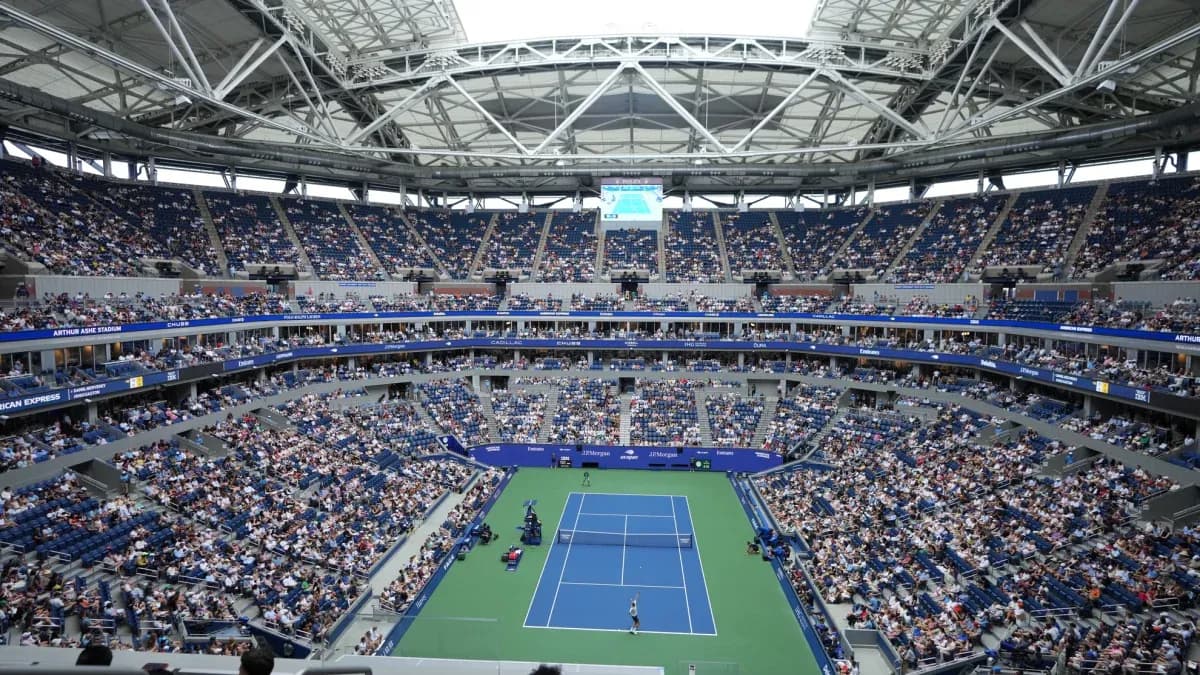
During a night session on the main court at Arthur Ashe Stadium, the noise level cut straight across the action. Not between points. During them. Conversations carried on at full volume. Fans got up and wandered around in the lower bowl while rallies were unfolding, breaking one of the sport’s most basic unwritten rules.
It wasn’t a handful of rogue guests. It felt systemic.
Tennis has always demanded a particular kind of respect from its audience: silence during play, movement only at changeovers, a shared understanding that the players’ concentration is part of the spectacle. On this evidence, that compact has started to fray.
A crowd that doesn’t know the code
This goes well beyond a few misbehaving influencers. Casual fans, many of them clearly new to the sport’s rhythms, looked unfamiliar with the basic etiquette of a live tennis match.
Being loud while the ball is in play. Roaming the aisles mid‑game. Treating the stadium like a general entertainment venue instead of a sporting arena with its own code. These are not minor breaches; they change the feel of the contest for players and spectators alike.
Something in the way this event has been staged has failed to communicate what tennis demands from its crowd. The balance between accessibility and tradition has tipped too far in one direction, and the product on court is starting to feel the strain.
Organizers under pressure
As the tournament races toward its conclusion, the conversation keeps drifting away from winners, upsets, and classic matches, and back to one uncomfortable question: what happened to crowd control at the U.S. Open?
The organizers now face more than a PR headache. They face a reckoning with what kind of event they want this to be. A Grand Slam that bends to the noise of the modern entertainment world, or one that protects the standards that made it special in the first place.
The tennis has been outstanding. The environment around it has not. And when the final ball is struck, the champions may not be the only ones answering tough questions about this year in New York.